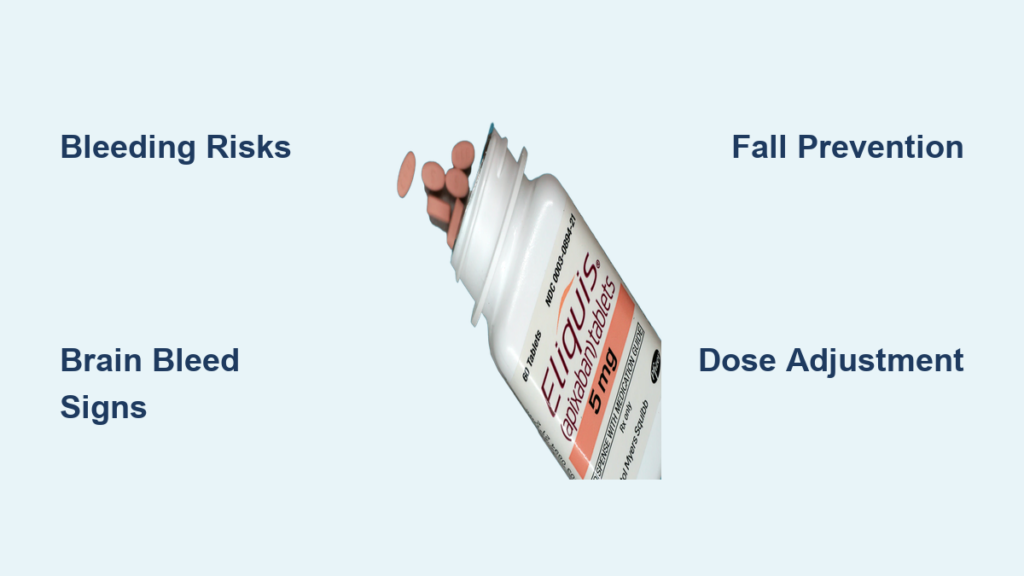
Eliquis (apixaban) is one of the most prescribed blood thinners for elderly women, especially those with atrial fibrillation or recovering from joint replacement surgery. As women age, their risk of stroke and dangerous blood clots rises sharply. At the same time, age-related changes in metabolism, bone strength, and medication use make Eliquis side effects in elderly women a serious safety concern that deserves careful attention.
This guide explains the most common and dangerous side effects, why older women face higher risks, and how doctors adjust dosing for safety. You will learn which symptoms require emergency care, how to avoid dangerous drug interactions, and practical strategies to stay safe while taking Eliquis long term.
Common Side Effects in Elderly Women
Eliquis is generally well tolerated, but minor bleeding is the most frequent complaint among older users.
Bruising and Skin Spots
Purple or red spots on the skin (petechiae) and unexplained bruising are common. Eliquis reduces the blood’s ability to clot, so capillaries break more easily, even with light contact.
Look for bruises that appear without any known injury, or clusters of tiny red dots on the arms, legs, or torso.
Nosebleeds and Gum Bleeding
Frequent nosebleeds or bleeding gums during brushing are typical. These episodes are usually minor but can be bothersome.
Use a soft-bristled toothbrush and run a humidifier indoors to reduce nasal dryness.
Minor Bleeding During Daily Activities
Some women notice prolonged bleeding from small cuts or heavier menstrual bleeding if they are still in perimenopause.
Any vaginal bleeding in postmenopausal women should be reported to a doctor right away, even while on Eliquis.
Serious Side Effects Requiring Immediate Care
Although rare, some reactions can become life threatening within minutes.
Severe Bleeding Symptoms
Eliquis raises the risk of internal and external bleeding that can escalate quickly.
Seek emergency care if you experience:
– Coughing up blood or vomiting material that looks like coffee grounds
– Bright red or black, tarry stools
– Nosebleeds that last longer than 10 minutes
– Heavy vaginal bleeding
These signs may point to gastrointestinal, respiratory, or genitourinary bleeding.
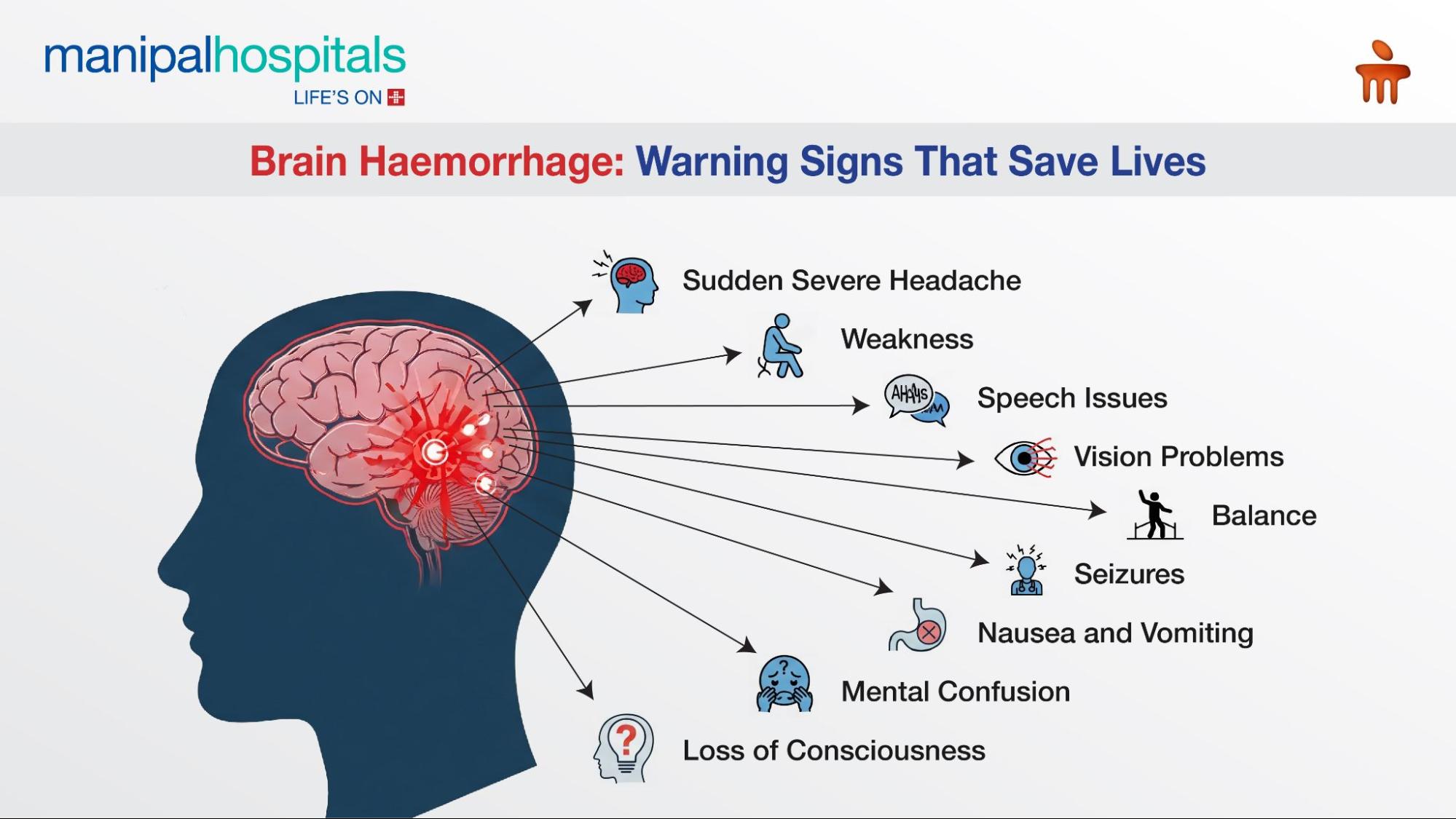
Signs of Brain Bleeding
Although uncommon, intracranial hemorrhage is a critical risk, especially after a fall.
Warning symptoms include:
– Sudden, severe headache
– Dizziness or loss of balance
– Sudden confusion or trouble speaking
– Weakness on one side of the body
Confusion is not a typical side effect of Eliquis, but if it appears suddenly, assume it could be a brain bleed until proven otherwise.
Why Elderly Women Are at Higher Bleeding Risk
Age and gender-specific factors combine to increase vulnerability.
Slower Kidney and Liver Function
Kidney function declines with age, and Eliquis is partially cleared by the kidneys. Reduced clearance means the drug stays in the body longer, raising bleeding risk.
Elevated serum creatinine (1.5 mg/dL or higher) may signal reduced kidney function and trigger a lower dose.
Higher Fall Risk in Older Women
Women over 65 are more likely to fall due to osteoporosis, balance issues, or vision changes. A minor head bump can lead to a dangerous brain bleed when on blood thinners.
Install grab bars, use non-slip mats, and review medications that cause dizziness.
Polypharmacy and Drug Interactions
Many elderly women take multiple medications, some of which interact dangerously with Eliquis.
High-risk combinations include:
– Aspirin or NSAIDs such as ibuprofen and naproxen
– Certain antidepressants like SSRIs
– Antifungal drugs such as ketoconazole
– Supplements like St. John’s wort or fish oil
Bring all medications, including supplements, to every doctor visit for review.
Underlying Health Conditions
Conditions common in older women raise bleeding risk:
– Hypertension (uncontrolled high blood pressure increases brain bleed risk)
– Anemia (may mask early signs of internal bleeding)
– Cancer (especially GI tract cancers or active chemotherapy)
Adjusted Eliquis Dosing for Elderly Women
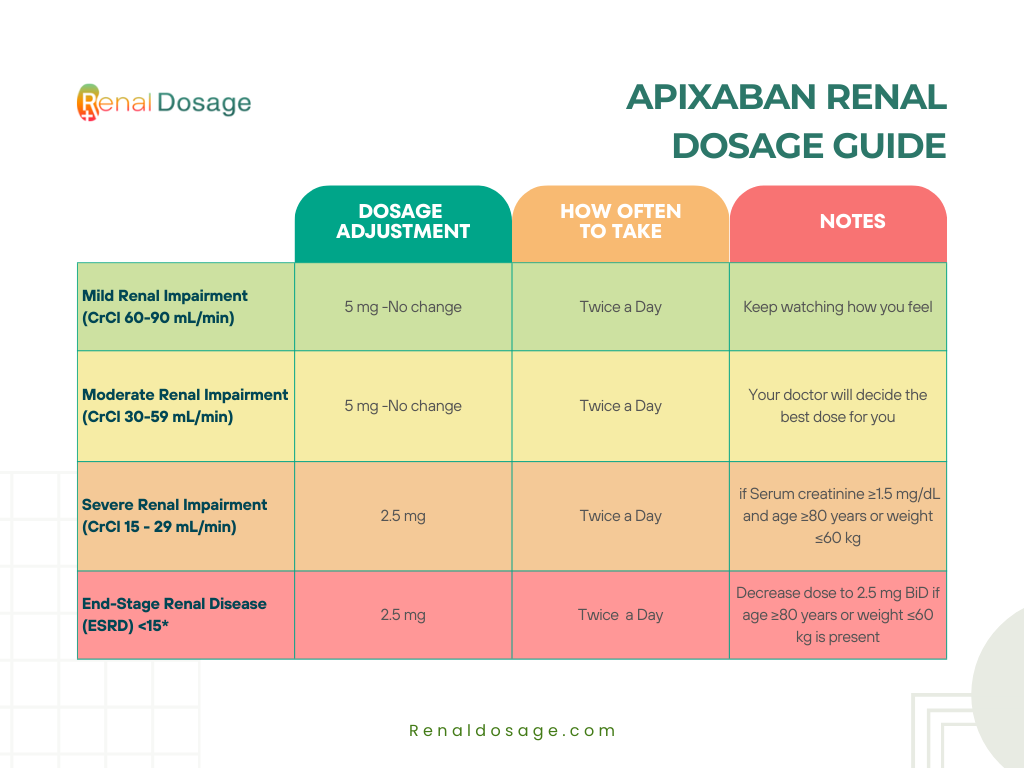
Dose reduction is common and improves safety in older adults.
When Is a Lower Dose Needed?
Women with at least two of the following traits should receive 2.5 mg twice daily instead of 5 mg:
– Age 80 or older
– Weight of 60 kg (132 lbs) or less
– Serum creatinine of 1.5 mg/dL or higher
For example, an 82-year-old woman weighing 125 lbs with mild kidney impairment qualifies for the lower dose.
Importance of Twice-Daily Dosing
Eliquis must be taken twice daily, once in the morning and once in the evening. Skipping doses or taking it only once a day reduces protection and raises stroke risk.
The drug’s effect lasts about 12 hours, so missing a dose leaves a window of vulnerability.
Boxed Warnings You Must Know
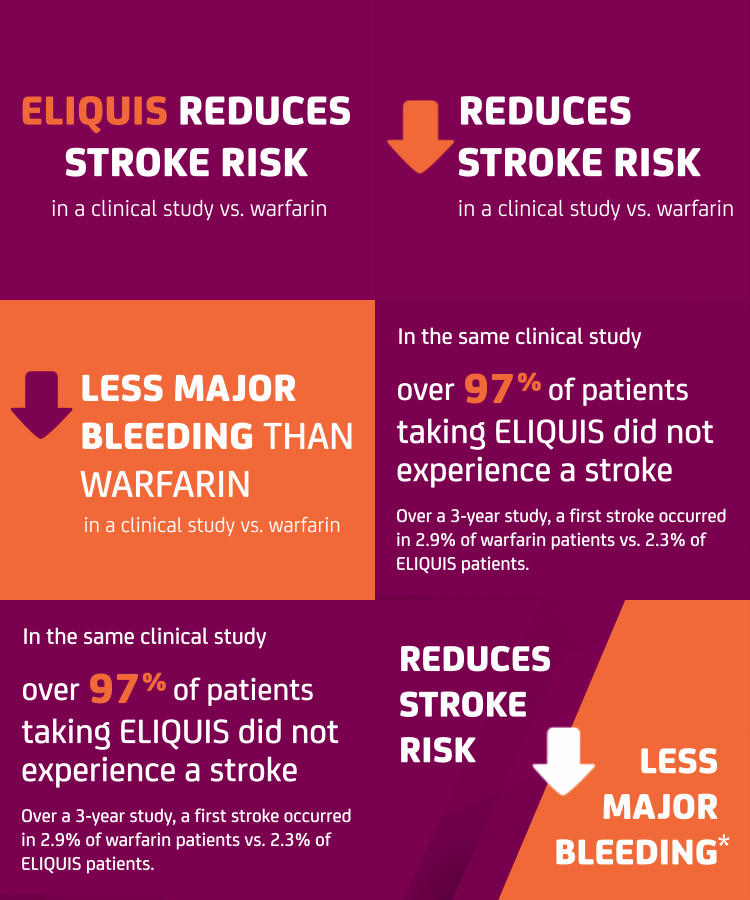
Eliquis carries FDA-mandated boxed warnings, which are its most serious safety alerts.
Stroke Risk After Stopping Eliquis
Suddenly stopping Eliquis can trigger a rebound clotting effect, raising stroke risk, especially in AFib patients.
Never discontinue Eliquis without medical guidance, even before surgery.
Spinal Hematoma Risk
Women undergoing spinal anesthesia or a lumbar puncture face a risk of spinal blood clots.
Inform all healthcare providers you take Eliquis, especially before dental, eye, or spinal procedures.
Monitoring and Safety Practices

Regular follow-up is essential to prevent complications.
Kidney Function Testing
Your doctor should check kidney function through blood tests periodically, especially if you are over 75.
Testing is usually done every 6 to 12 months, or more often if kidney function is borderline.
Medication Management Tips
Avoid missed or double doses with these simple strategies:
– Use a pill organizer with morning and evening slots
– Set phone alarms or download a medication reminder app
– Keep a backup dose pack in your purse or travel bag
Taking two doses by accident increases bleeding risk. Call your doctor right away if this happens.
When to Seek Emergency Help
Act quickly if you notice any of these danger signs.
After a Fall or Head Injury
Even a minor bump can cause delayed brain bleeding