Dehydration in elderly adults is a serious and often underestimated health concern. As people age, their bodies undergo significant physiological changes that increase vulnerability to fluid imbalance. Unlike younger individuals who quickly feel thirsty when dehydrated, older adults may not experience this crucial warning signal, putting them at high risk even without obvious symptoms. This delayed recognition, combined with chronic conditions, medication use, and environmental factors, makes dehydration one of the most common yet preventable causes of hospitalization in seniors.
Understanding the root causes of dehydration in the elderly is essential for caregivers, healthcare providers, and older adults themselves. The consequences can be severe: from confusion and urinary tract infections to life-threatening complications like kidney failure or heatstroke. In this guide, we’ll break down the key causes of dehydration in seniors, focusing on physiological, medical, pharmacological, and behavioral factors, so you can identify risks early and take preventive action.
Reduced Thirst Sensation in Aging
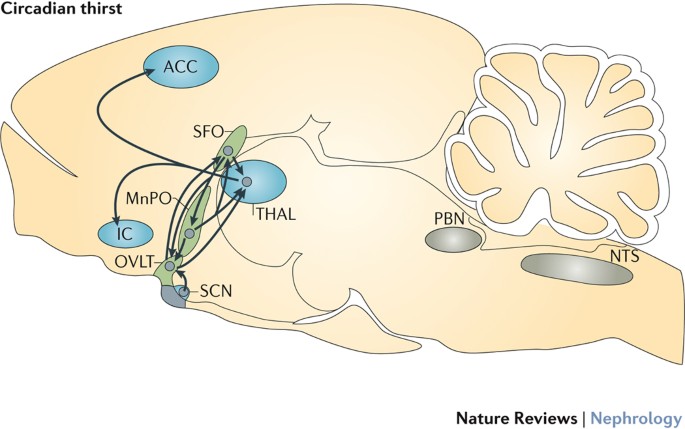
One of the most significant reasons elderly adults become dehydrated is their diminished ability to feel thirsty.
Blunted Thirst Response
As people age, the brain’s response to fluid depletion slows down. Where a younger person might feel parched after mild sweating or skipping a drink, an older adult may feel nothing at all, even when already dehydrated. This “thirst paradox” means that waiting to drink until feeling thirsty is dangerously ineffective for seniors.
Because the body no longer sends clear signals, fluid intake must be proactive rather than reactive. Relying on thirst leads to chronic underhydration, especially during illness or hot weather.
Delayed Recognition of Dehydration
Without the urge to drink, dehydration can progress silently. By the time symptoms like dizziness or confusion appear, the body may already be in a critical state. Caregivers should not assume an older adult is hydrated just because they say they’re “not thirsty.”
Pro Tip: Encourage sipping water throughout the day, even if no thirst is felt. Set regular drinking reminders using alarms or caregiver check-ins.
Age-Related Fluid Reserve Decline

Older adults start with less water in their bodies, making dehydration occur faster.
Lower Total Body Water
With aging, the total volume of water stored within the body decreases naturally. This reduction in fluid reserve means that older adults begin with a lower baseline of hydration, making them more susceptible to deficits when fluid loss occurs.
This means even minor fluid losses, like a bout of vomiting or a hot day, can quickly push an older adult into dehydration.
Impaired Fluid Conservation
The aging body becomes less efficient at conserving fluids, accelerating the path to dehydration during periods of stress or illness. The kidneys lose their ability to concentrate urine and retain water effectively.
Combined with lower baseline hydration, this inefficiency accelerates dehydration during illness, stress, or heat exposure.
Illnesses That Trigger Rapid Fluid Loss

Acute medical conditions are among the fastest causes of dehydration in seniors.
Diarrhea and Vomiting
Gastrointestinal illnesses cause sudden, severe fluid and electrolyte loss. When diarrhea onset is sudden and severe, it causes massive loss of water and essential minerals within a short timeframe. If vomiting accompanies diarrhea, the rate of fluid and mineral loss increases exponentially.
In older adults, whose fluid reserves are already compromised, even 24 hours of diarrhea can lead to critical dehydration levels faster than in younger patients.
When to act: Seek medical help if diarrhea lasts more than 24 hours, especially if accompanied by weakness, dizziness, or reduced urination.
Fever-Induced Dehydration
There is a direct correlation between the height of a fever and the severity of potential dehydration. Higher fevers drive greater fluid loss through increased metabolic rate and evaporation.
Even in the absence of a high fever, common ailments such as the common cold or sore throat can indirectly cause dehydration. These conditions often reduce the desire to eat or drink, leading to voluntary fluid restriction due to discomfort or lack of appetite.
Respiratory Illnesses and Reduced Intake
Conditions like colds, sore throats, or pneumonia often reduce appetite and fluid consumption. Painful swallowing or general malaise may cause an older adult to skip drinks entirely.
Since thirst is already blunted, illness-related disinterest in drinking becomes a major risk factor.
Medications That Increase Dehydration Risk
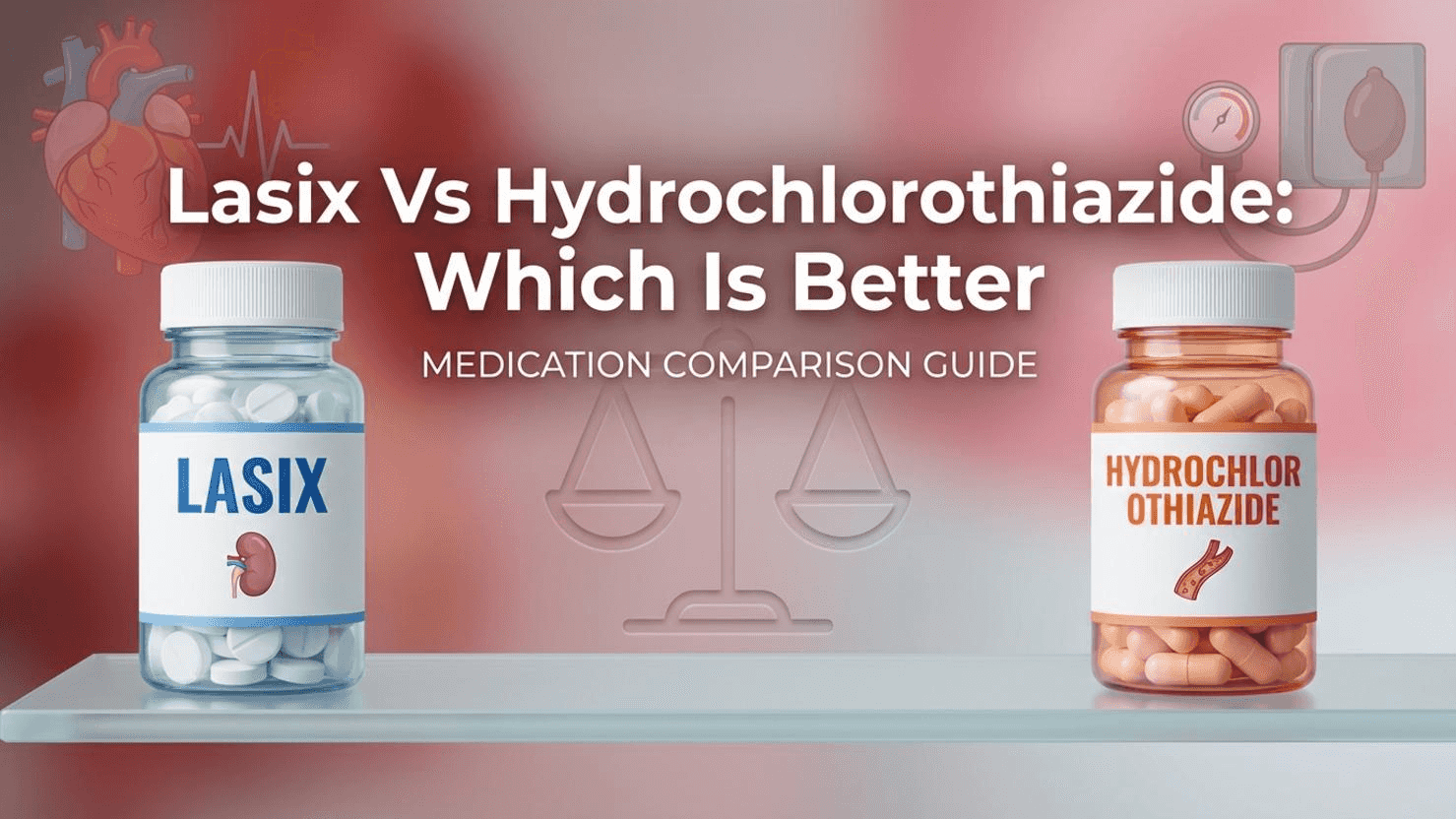
Many commonly prescribed drugs for seniors directly affect fluid balance, especially given the higher prevalence of polypharmacy in this demographic.
Diuretics (Water Pills)
These medications are designed to increase urine production to manage conditions like hypertension and heart failure. By increasing urination frequency and volume, they directly elevate the risk of dehydration if fluid intake is not meticulously adjusted to compensate.
Common examples include:
– Furosemide (Lasix)
– Hydrochlorothiazide
– Bumetanide
Seniors on these medications need close monitoring of hydration status, particularly during illness or hot weather.
Blood Pressure Medications
Certain antihypertensive agents, beyond diuretics, can influence fluid balance or interact with the body’s ability to regulate blood volume. Beta-blockers and ACE inhibitors may mask symptoms of dehydration, delaying recognition.
Key Point: Never stop medications without consulting a doctor, but ensure healthcare providers review all drugs for dehydration risk during routine visits.
Mobility and Cognitive Barriers to Hydration
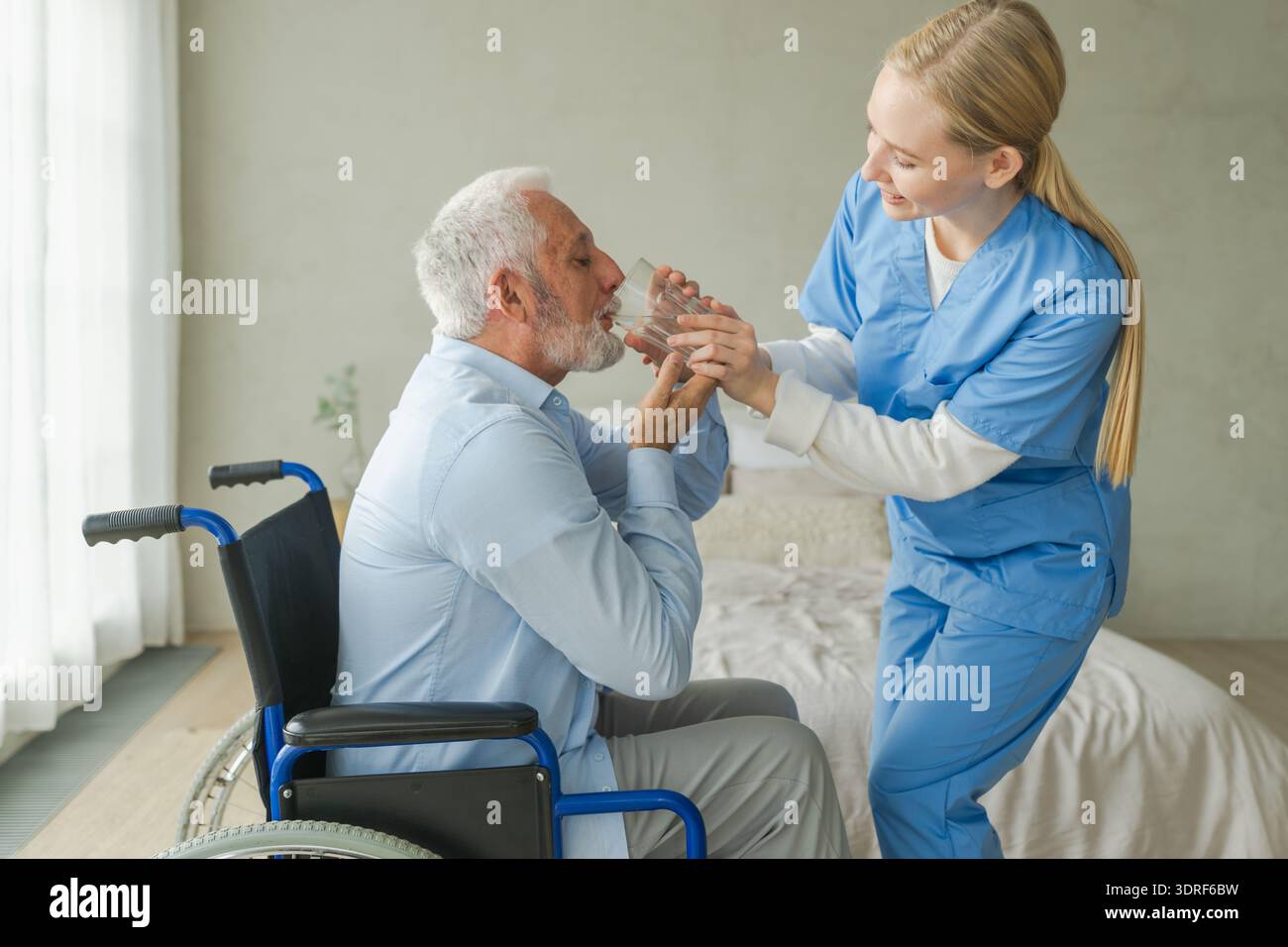
Physical and mental limitations can prevent seniors from accessing fluids, even when needed.
Physical Inability to Reach Water
Elderly individuals with mobility issues, dementia, or stroke sequelae may be unable to get a drink for themselves, leading to unintentional fluid deprivation. Arthritis, Parkinson’s disease, or general frailty can make it difficult to get up, walk to the kitchen, or lift a glass.
Some elderly individuals may avoid drinking simply to reduce trips to the bathroom if mobility is poor. This creates a dangerous cycle: less drinking leads to dehydration, which causes weakness, which results in even less mobility.
Dementia and Forgetfulness
Individuals with Alzheimer’s or other forms of dementia may forget to drink, lose the ability to ask for water, or not recognize thirst cues. Caregivers must take responsibility for offering fluids regularly; don’t wait for the person to ask.
Expert Note: In nursing homes and home care, scheduled hydration routines (such as offering a drink every 2 hours) significantly reduce dehydration rates.
Environmental and Lifestyle Triggers
External conditions and daily habits play a major role in senior hydration.
Heat Exposure and Sweating
Dehydration is highly prevalent during hot weather, particularly for individuals who remain active in the heat. Sweating is the body’s primary cooling mechanism, but it results in direct fluid loss. Hot and humid weather conditions exacerbate this by increasing the volume of sweat produced.
Older adults engaging in physical activity or simply exposed to high ambient temperatures without adequate fluid replacement are at high risk. The inability to sense thirst means an elderly person may continue to lose fluids through sweating without feeling the urge to replenish them.
Warning: Older adults should avoid prolonged sun exposure during peak heat (10 a.m. to 4 p.m.) and always carry water when outdoors.
Caffeine and Sugary Drinks
Consumption of fluids that exacerbate dehydration, such as those high in caffeine or sugar (sodas, certain energy drinks), can act as a causative factor by promoting further fluid loss or failing to provide adequate hydration.
- Caffeine acts as a mild diuretic, increasing urine output.
- High-sugar drinks can pull water into the intestines, worsening diarrhea and fluid loss.
Replace these with water, herbal teas, broths, or oral rehydration solutions.
Travel and Limited Access
Situations where safe drinking water is unavailable, such as during hiking, camping, or traveling, pose severe risks. Rest stops, airport security, or fear of incontinence may discourage drinking during travel.
Seniors should carry a water bottle at all times and sip frequently, even if not thirsty.
Chronic Conditions That Worsen Fluid Balance
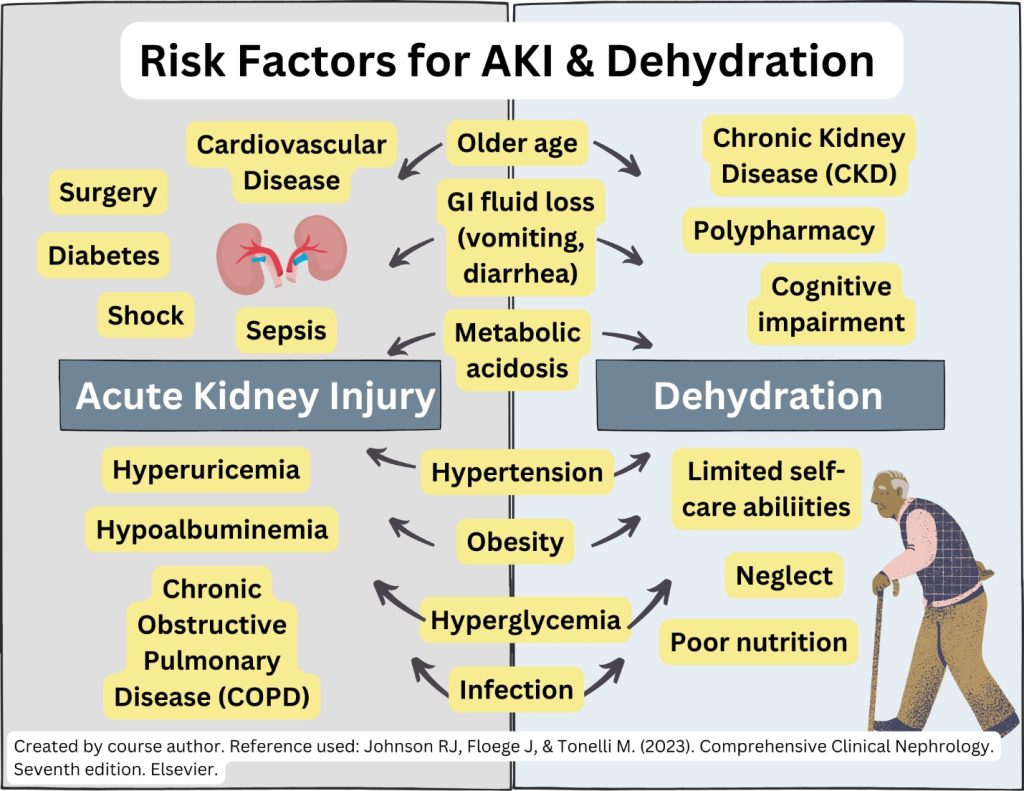
Long-term health issues compound dehydration risk over time.
Diabetes (Especially Uncontrolled)
High blood sugar causes frequent urination as the body tries to eliminate excess glucose. This constant fluid loss increases dehydration risk significantly.
Seniors with diabetes need to monitor blood sugar closely and drink extra water, especially when levels are elevated.
Kidney Disease
Impaired kidney function reduces the body’s ability to concentrate urine and maintain electrolyte balance. This makes fluid management more delicate: too little water leads to dehydration, while too much can cause fluid overload.
Those with chronic kidney disease must follow individualized fluid recommendations from their healthcare provider.
Early Signs Often Missed in Seniors
Dehydration symptoms in the elderly differ from younger adults and are easily mistaken for other conditions.
Subtle Warning Signals
Instead of clear thirst or dry mouth, seniors may show:
– Confusion or disorientation
– Drowsiness or fatigue
– Low blood pressure
– Rapid heartbeat
– Dry skin that doesn’t bounce back
A marked decrease in urination frequency and the production of dark-colored urine are primary indicators.
Red Flag: Sudden mental changes, like delirium, can be the only sign of dehydration in older adults.
Misdiagnosis Risk
Symptoms like weakness, dizziness, or confusion are often attributed to aging or dementia, delaying proper treatment. Always consider dehydration as a possible cause of acute cognitive decline.
Preventive Strategies That Work
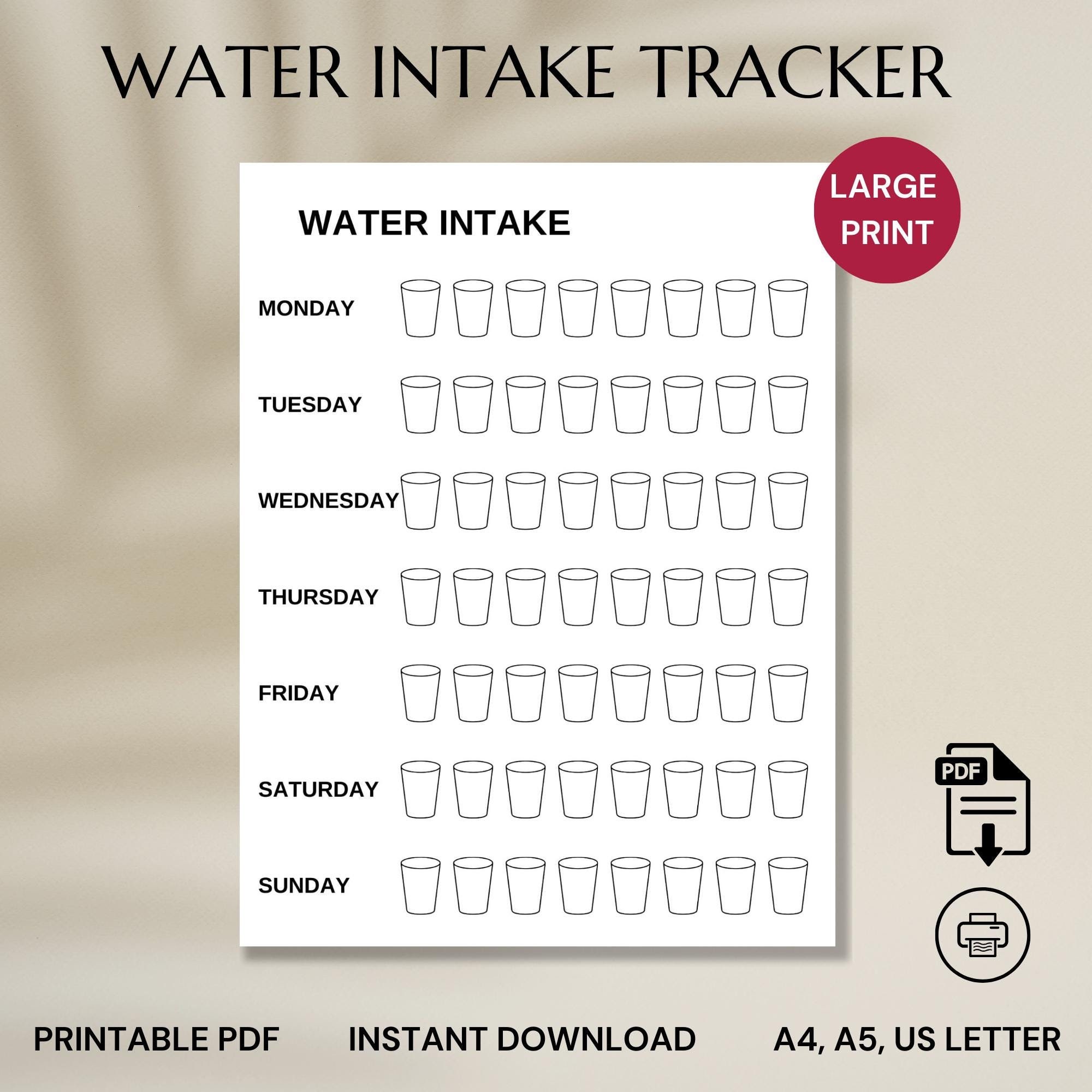
Prevention is far more effective than treatment, especially since symptoms appear late.
Scheduled Hydration Routine
Fluids must be consumed regularly regardless of thirst sensation, especially during hot weather or illness. Encourage drinking small amounts of fluid every 1 to 2 hours.
Use visual cues:
– Keep a full water bottle in view
– Use a marked hydration tracker cup
– Set phone or smartwatch reminders
Offer fluids with medications, meals, and after bathroom visits.
Water-Rich Foods
Incorporation of water-rich foods is recommended to supplement liquid intake:
– Watermelon, oranges, strawberries
– Cucumbers, lettuce, celery
– Soups, broths, yogurt
These contribute significantly to total fluid intake.
Caregiver Vigilance
Family members and caregivers should:
– Monitor urine color (aim for pale yellow)
– Offer drinks frequently
– Watch for signs during illness or heat
– Review medications with a pharmacist
Pro Tip: Use flavored waters or oral rehydration solutions if plain water is unappealing.
Frequently Asked Questions About Causes of Dehydration in Elderly
Why don’t elderly people feel thirsty when they are dehydrated?
As people age, the brain’s response to fluid depletion slows down significantly. The thirst mechanism becomes attenuated, meaning older adults often experience delayed or absent thirst sensations even when their bodies are critically low on fluids. This makes relying on thirst as a hydration guide unreliable for seniors.
What medications most commonly cause dehydration in seniors?
Diuretics (water pills) are the primary culprits, as they increase urine production to manage conditions like high blood pressure and heart failure. Certain blood pressure medications, including beta-blockers and ACE inhibitors, can also affect fluid balance or mask dehydration symptoms, making monitoring more difficult.
How much fluid should an elderly person drink daily?
While individual needs vary, the key principle is proactive rather than reactive drinking. Older adults should sip fluids regularly throughout the day regardless of thirst, with caregivers offering drinks every 1 to 2 hours during normal conditions and more frequently during illness, hot weather, or physical activity.
When should you seek medical help for dehydration in an elderly person?
Medical attention should be sought immediately if an elderly individual has experienced diarrhea for 24 hours or more. Additional warning signs include extreme lethargy, inability to keep fluids down, sudden confusion, seizures, or signs of heatstroke. Severe dehydration is a medical emergency requiring intravenous rehydration.
Can dehydration in seniors be mistaken for dementia?
Yes, this is a common and dangerous misdiagnosis. Symptoms like confusion, disorientation, and weakness are often attributed to aging or dementia when dehydration may be the actual cause. Any sudden cognitive decline in an older adult should prompt evaluation for dehydration before assuming other causes.
What are the most serious complications of dehydration in the elderly?
Complications include heat-related injuries progressing from heat cramps to potentially deadly heatstroke, urinary tract infections, kidney stones, acute or chronic kidney failure, electrolyte imbalances causing muscle dysfunction, seizures, and loss of consciousness. These outcomes are largely preventable with proper hydration awareness.
Key Takeaways for Preventing Dehydration in Elderly Adults
Dehydration in the elderly is not an inevitable part of aging. It is a preventable condition rooted in physiological changes, illness, medications, and environmental factors. The most critical point to remember is that thirst cannot be used as a reliable indicator of hydration status in older adults.
Three actionable steps can dramatically reduce risk: establish scheduled hydration routines with fluids offered every 1 to 2 hours, increase vigilance during high-risk situations like fever, diarrhea, hot weather, or when taking diuretics, and incorporate water-rich foods into daily meals to supplement fluid intake.
Caregivers, family members, and healthcare providers share the responsibility of monitoring hydration in seniors. Review medications regularly, watch for subtle signs like confusion or dark urine, and never wait for an elderly person to report thirst before offering fluids. By staying proactive and vigilant, you can protect older adults from the serious, life-threatening complications that dehydration causes.