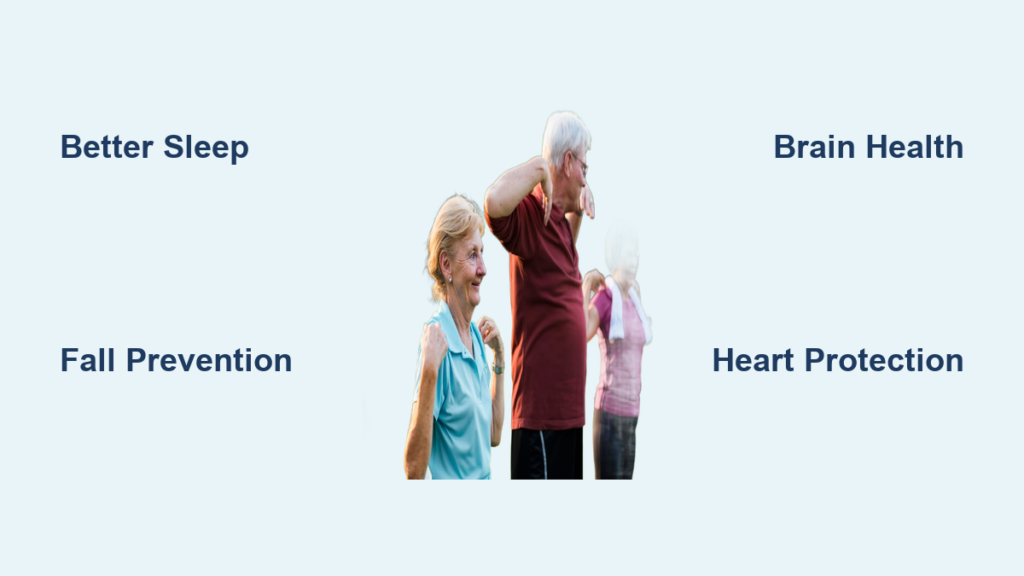
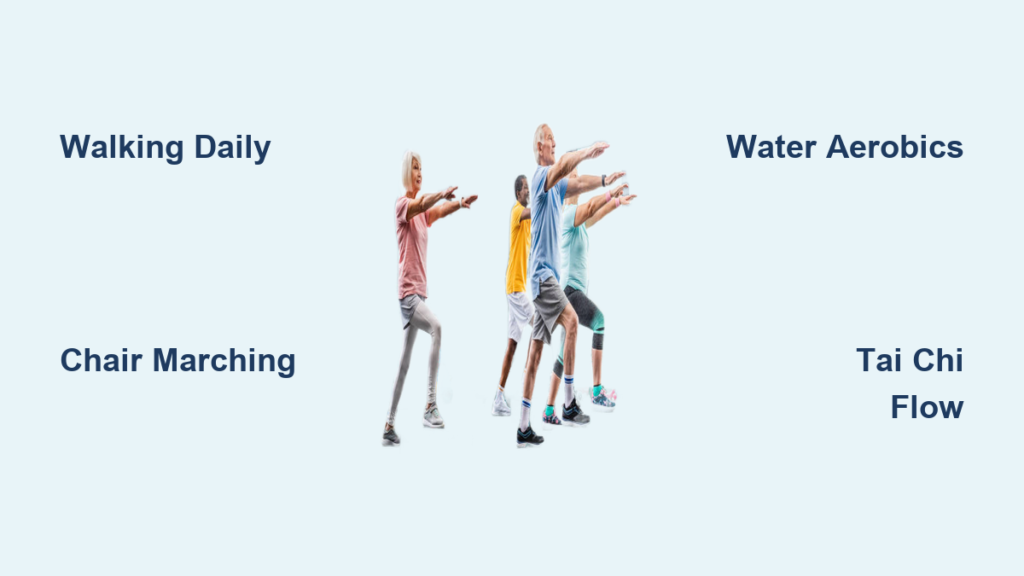
Staying active after 65 can feel challenging, especially when joint pain, balance issues, or fatigue creep in. Yet regular cardio exercises for elderly adults remain one of the most effective ways to protect your heart, maintain independence, and boost daily energy. Heart disease risk rises with age, but consistent moderate movement can lower it significantly without requiring intense gym sessions.
This guide breaks down safe, practical cardio exercises for elderly men and women who want to move confidently at home or in their community. You will learn how to gauge effort, modify routines for mobility limits, and build a sustainable habit that supports long term health.
Safe Intensity Guidelines
Knowing how hard to work out protects you from injury while still strengthening your heart. Too little effort offers minimal benefit, while too much raises fall risk and joint strain.
Check Your Target Heart Rate
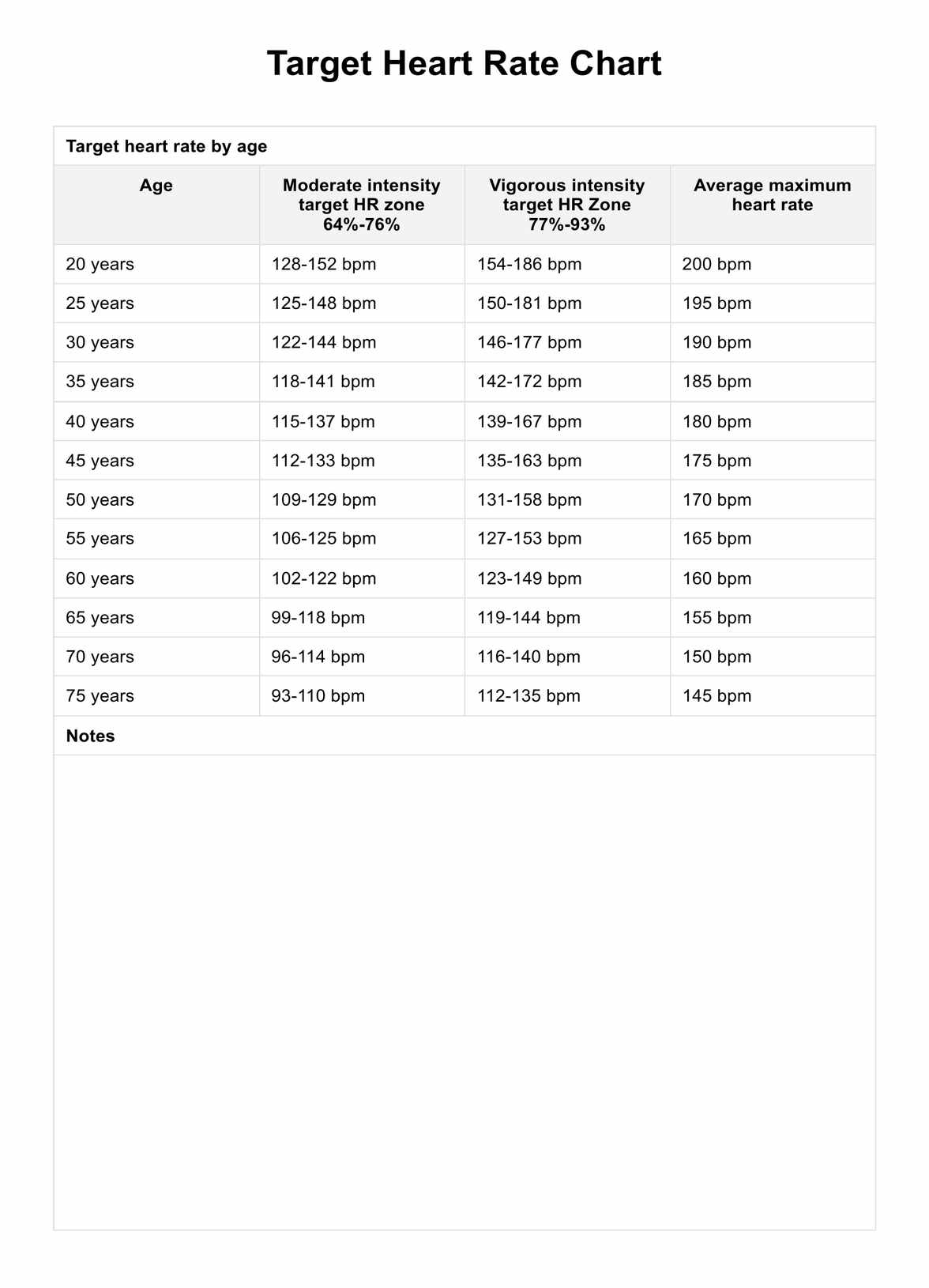
For most seniors, aim for 50 to 70 percent of your maximum heart rate during cardio. To estimate your max, subtract your age from 220. For example, a 70 year old has a max of about 150 beats per minute, so the target zone is 75 to 105 bpm. Use a fitness watch or check your pulse at the wrist for 15 seconds, then multiply by four.
Use the Talk Test
A simpler method is the talk test. You should be able to speak in short sentences but not sing comfortably. If you are gasping for air, slow down. If you can chat easily, consider increasing effort slightly. This approach works well for those with pacemakers or conditions that affect heart rate readings.
Walking for Heart Health
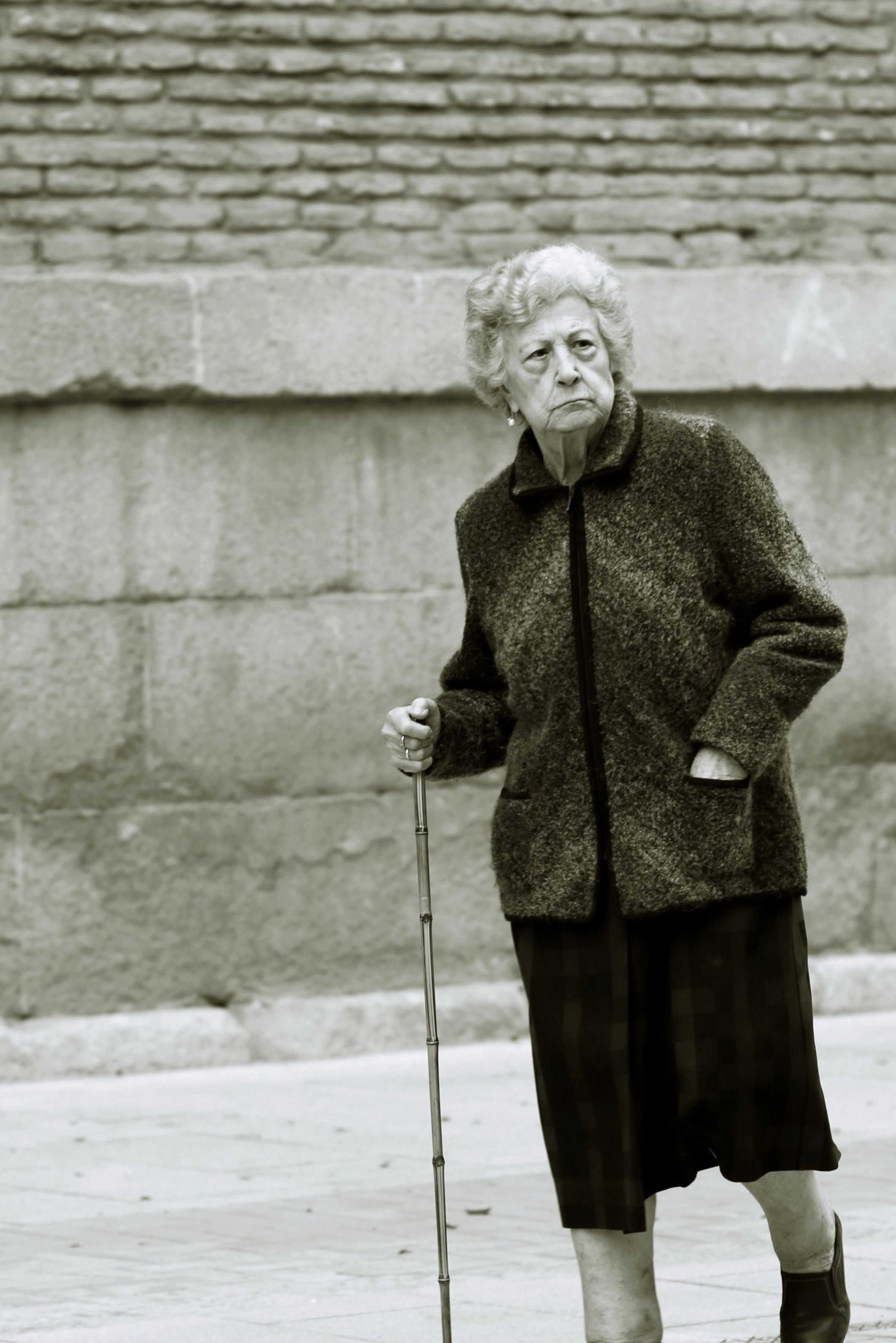
Walking remains the most accessible cardio exercise for elderly individuals. It requires no equipment, works indoors or outdoors, and adapts easily to any fitness level.
Start with Short, Daily Walks
Begin with 10 minute walks, three times a day, and gradually build to 30 continuous minutes. Older adults who walk daily reduce their risk of heart disease and improve joint mobility. Walk at a pace that raises your breathing but still allows conversation.
Use supportive shoes and flat, even surfaces. If balance is a concern, walk with a cane or alongside a countertop indoors. Many senior centers and malls offer walking clubs or early morning programs ideal for social motivation.
Add Arm Movements for Intensity
Boost cardiovascular benefit by adding arm swings or light hand weights of 1 to 2 pounds. Swing arms naturally or perform gentle overhead presses as you walk. This engages more muscles and slightly elevates heart rate without increasing joint stress.
Keep movements controlled. If you have shoulder issues, stick to arm swings without weights.
Chair Based Cardio Routines
For those with limited mobility or who use wheelchairs, seated cardio exercises offer excellent heart benefits without standing.
Seated Marching and Punches
Sit tall in a sturdy chair with feet flat. Lift one knee at a time in a marching motion for 30 seconds. Then switch to forward arm punches, alternating arms quickly for 30 seconds. Repeat the cycle for 10 to 15 minutes.
This routine improves circulation in the legs and raises heart rate gently. It works well for beginners or those recovering from surgery.
Add Resistance Bands
Use light resistance bands to increase intensity. Anchor the band under your feet and perform seated rows or chest presses. These movements build upper body strength while supporting cardiovascular endurance.
Choose a band with low tension, typically yellow or red. Perform 1 to 2 sets of 10 to 15 reps per exercise. Keep your back straight and core engaged throughout.
Water Aerobics Benefits
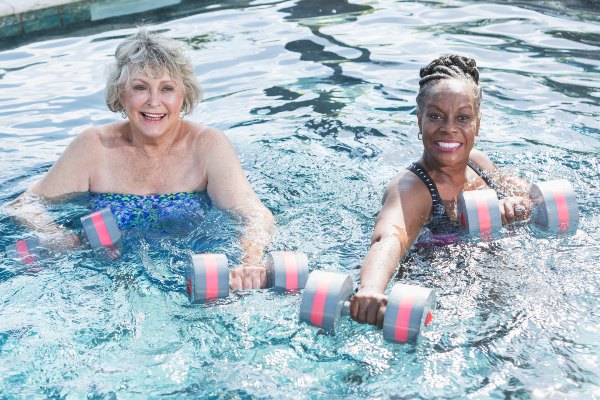
Exercising in water reduces joint impact by up to 90 percent, making aquatic workouts ideal for seniors with arthritis or chronic pain.
Join a Senior Water Class
Many community pools offer water aerobics for older adults. Classes typically include leg kicks, arm movements, and light jogging in waist or chest deep water. The resistance of water naturally boosts heart rate and muscle engagement.
Research shows that seniors who attend water aerobics twice weekly for 12 weeks improve balance, reduce stiffness, and increase stamina. Most classes are social, low pressure, and led by trained instructors.
Try Shallow Water Drills
If deep water feels intimidating, stay in the shallow end. Perform side steps, front kicks, or arm circles while holding the pool edge. Walk across the pool slowly, letting water provide natural resistance.
Aim for 20 to 30 minutes, 2 to 3 times per week. Always enter and exit the pool using handrails, and bring water shoes for grip on wet surfaces.
Stationary Cycling Options
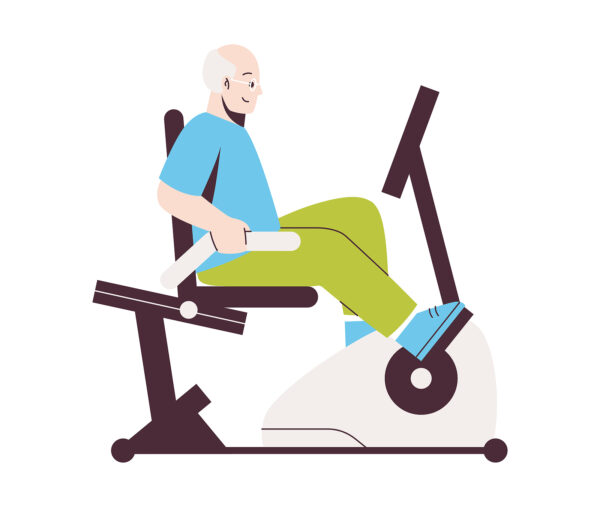
Cycling is a joint friendly way to build endurance and leg strength without high impact movement.
Use an Upright or Recumbent Bike
Recumbent bikes offer back support and suit those with back pain or balance issues. Upright bikes engage core muscles more actively. Both are excellent cardio exercises for elderly users seeking variety.
Start with 10 to 15 minutes at low resistance, 3 times a week. Gradually increase time before boosting resistance. Keep your back straight and pedal at a smooth, steady pace.
Try Indoor Pedalers
For those who cannot leave home, small under desk pedal exercisers provide a convenient option. Use them while watching TV or reading. These compact devices work arms or legs and can deliver 15 to 20 minutes of light cardio daily.
Look for models with adjustable resistance and smooth motion. Avoid locking your knees. Keep a slight bend throughout each pedal stroke.
Tai Chi for Heart and Balance
This ancient practice combines slow, flowing movements with deep breathing, making it a powerful low impact cardio option.
Learn the Basic Forms
Start with foundational sequences like Wave Hands Like Clouds or Parting the Horse’s Mane. These movements involve shifting weight, controlled steps, and arm motions that gently elevate heart rate.
Tai chi improves circulation, coordination, and mental focus. Studies show that older adults practicing tai chi three times a week for 12 weeks experience measurable improvements in blood pressure and walking endurance.
Attend a Local or Online Class
Many YMCAs, senior centers, and community colleges offer beginner tai chi for seniors. Look for instructors certified in therapeutic tai chi. If mobility is limited, seated tai chi variations are widely available.
Practice 20 minutes daily for best results. Wear flat, flexible shoes and use a chair for support if needed.
Stair Climbing Safety Tips
Climbing stairs builds leg strength and cardiovascular fitness, but safety must come first.
Use Handrails and Go Slow
Always use both handrails when ascending or descending. Take one step at a time and avoid carrying items. If you feel dizzy or short of breath, stop and rest immediately.
Begin with just one flight once a day and gradually increase to two or three times daily. This builds stamina safely over weeks.
Try Step Ups at Home
Use a low, sturdy step that is 4 to 6 inches high. Step up with one foot, bring the other up, then step down in reverse order. Repeat for 5 to 10 minutes.
Keep your core tight and avoid locking your knees. This mimics stair climbing without the fall risk of an actual staircase.
Dancing for Joy and Fitness
Dancing delivers real cardiovascular benefits while lifting your mood and sharpening coordination.
Try Line or Partner Dancing
Ballroom, waltz, foxtrot, or line dances like the Electric Slide get you moving safely. Many senior centers host dance nights with adaptive moves and slower tempos for all skill levels.
Dancing improves coordination, mood, and cardiovascular function. Research indicates that seniors who dance regularly score better on cognitive tests and report lower depression rates.
Dance at Home Safely
Clear a small space and play your favorite music. Move your arms, step side to side, or gently twist your torso. Dance for 10 to 15 minutes, rest, then repeat.
Use a chair for balance if needed. Avoid rapid spins or deep lunges that could cause dizziness.
Daily Movement Integration
Cardio does not require formal workouts. Everyday activities count when done with intention.
Make Chores Active
Vacuuming, gardening, or mopping can become cardio exercises for elderly adults when done briskly. Push the vacuum with purpose, stretch while weeding, and add arm lifts while dusting shelves.
Aim to elevate your breathing slightly during these tasks. Break them into 10 minute bursts to accumulate 30 minutes of movement daily.
Park Farther Away
When shopping or visiting, park at the back of the lot and walk in. Take the long way around stores. These small choices add up to meaningful movement over time.
Use a shopping cart or rollator for support if balance is a concern.
Frequently Asked Questions About Cardio Exercises for Elderly
What is the safest cardio exercise for a 70 year old beginner?
Walking is widely considered the safest starting point. It requires no special equipment, carries minimal injury risk, and can be done at any pace. Start with 10 minute sessions and build gradually.
How often should seniors do cardio each week?
Most health guidelines recommend at least 150 minutes of moderate cardio per week. For seniors, this breaks down to about 30 minutes a day, 5 days a week, or shorter sessions spread throughout the day.
Can elderly people with arthritis still do cardio?
Yes. Low impact options like water aerobics, chair exercises, and tai chi place minimal stress on joints while still elevating heart rate. Always consult your doctor before starting a new routine.
Is it safe for seniors to use a treadmill?
Treadmills can be safe when used with handrails and at slow speeds. However, stationary bikes or outdoor walking on flat surfaces are often safer alternatives that reduce fall risk.
What heart rate should a 75 year old aim for during exercise?
A 75 year old has an estimated maximum heart rate of 145 bpm. The target zone during moderate cardio is roughly 73 to 102 bpm. Use the talk test as a backup guide.
Do seated cardio exercises really benefit the heart?
Yes. Seated marching, arm punches, and resistance band work elevate heart rate and improve circulation. These routines are especially valuable for those with mobility limitations.
Key Takeaways for Building a Sustainable Cardio Habit
Consistency matters far more than intensity when it comes to cardio exercises for elderly adults. The best routine is one you can perform safely, enjoy regularly, and adjust as your fitness improves. Walking, water aerobics, chair routines, and tai chi all offer proven heart benefits with minimal joint strain.
Start by choosing one or two activities that feel manageable this week. Track your effort using the talk test, and gradually increase duration before adding intensity. Most importantly, consult your doctor before beginning any new program, especially if you manage heart conditions, diabetes, or chronic joint issues. With the right approach, every senior can find movement that fits their life and supports long term health.