High blood pressure is one of the most common and dangerous health conditions affecting older adults. For decades, clinicians have debated whether strict blood pressure control remains beneficial, or even safe, as people age. Recent high-quality evidence now offers clear answers. A 2024 Cochrane review analyzing data from over 16,700 older adults shows that aiming for a lower blood pressure target, typically below 140/90 mmHg, significantly reduces the risk of stroke and serious heart-related events, even in those aged 65 and older.
Despite lingering concerns about side effects or frailty, the data reveals that stricter targets do not increase medication dropout rates and provide measurable protection. However, important gaps remain: most studies excluded individuals over 80 or those who are frail, making it harder to generalize these findings to the most vulnerable seniors. Still, for the average older adult, the message is increasingly clear. Lower is better when it comes to blood pressure.
This guide breaks down the latest evidence, compares current guidelines, identifies who benefits most, and outlines safe strategies for managing hypertension in later life.
Lower BP Targets Prevent Strokes in Adults 65 and Older
High-Certainty Evidence Supports Strict Control
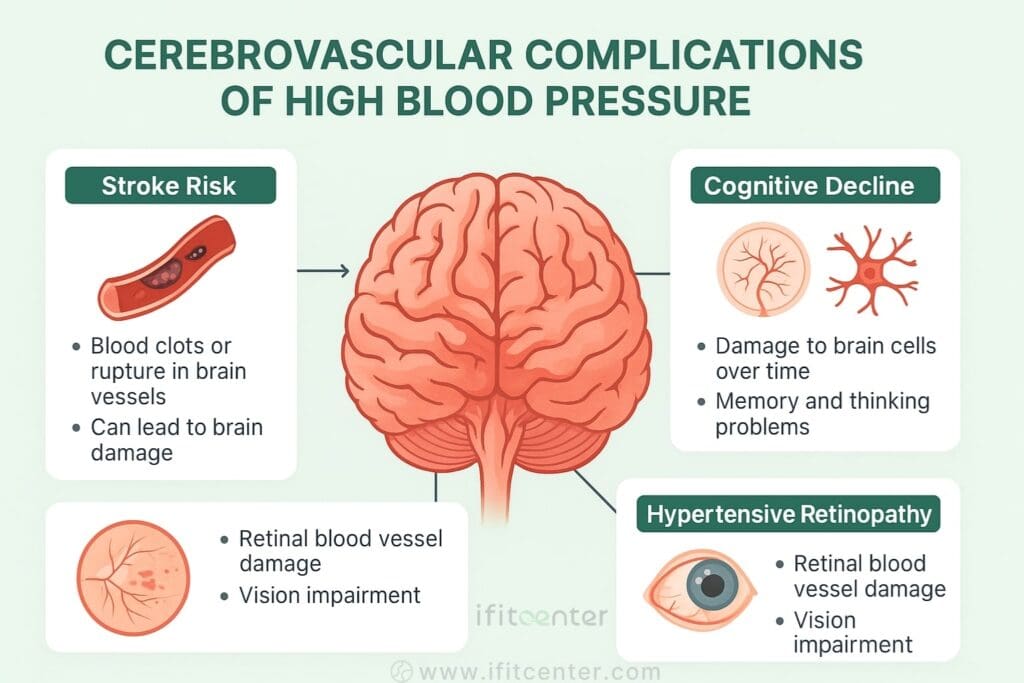
The strongest finding from recent research is that maintaining a lower blood pressure target, below 140/90 mmHg, dramatically reduces stroke risk in adults aged 65 and older. The Cochrane review found a 33% lower relative risk of stroke in patients treated to lower targets compared to those allowed to maintain pressures up to 160 mmHg systolic. This is high-certainty evidence, meaning the results are robust and unlikely to change with future research.
For every 1,000 older adults treated to a lower target over three years, approximately 10 strokes are prevented. This is not a minor benefit. It translates into real lives protected from disability, loss of independence, and death.
Why Stroke Risk Rises With Higher Targets
As systolic pressure climbs, the force exerted on arterial walls increases. In aging blood vessels, which are often stiffened by atherosclerosis, this elevated stress can cause small vessel damage in the brain. Over time, this leads to silent micro-infarcts or sudden major strokes. Allowing blood pressure to remain above 150 mmHg removes a critical layer of protection against these events.
Even modest increases in systolic pressure, from 140 to 155 mmHg, can significantly raise stroke probability. The idea that “a little higher is okay with age” is not supported by outcomes data. For most robust older adults, keeping systolic pressure under 140 mmHg is the best defense.
Reduce Heart Attacks and Heart Failure With Lower Targets

Lower Targets Cut Serious Cardiovascular Events
Beyond stroke, aiming for lower blood pressure also reduces the overall burden of serious cardiovascular disease. The same analysis found a 25% relative reduction in total serious cardiovascular adverse events, including heart attacks, heart failure, and heart-related deaths, when targeting below 140/90 mmHg versus higher thresholds.
These benefits are especially important for older adults, who are already at higher baseline risk due to age-related changes in heart structure and function. Preventing heart failure means avoiding hospitalizations, breathing difficulties, and reduced mobility. Avoiding heart attacks preserves quality of life and longevity.
Key Events Reduced by Lower Targets
- Myocardial infarction (heart attack)
- Heart failure hospitalization
- Cardiovascular death
- Renal impairment
Again, the numbers are practical: about 10 fewer serious cardiovascular events per 1,000 people treated over three years. That is a powerful return on effective treatment.
No Clear Mortality Benefit Yet
All-Cause Death Rates Show Little Difference
One persistent question is whether tighter blood pressure control actually extends life. Current evidence shows little to no difference in overall mortality between lower and higher targets over two to four years. This does not mean lower targets are harmful. They just have not been proven to reduce total deaths in short-term trials.
Possible reasons include:
- Follow-up periods may be too short to detect survival differences.
- Competing risks like cancer or dementia become more dominant in older age.
- Benefits may be offset in frail populations not well represented in trials.
Still, preventing disabling events like stroke and heart failure has immense value, even without a clear mortality benefit. Living longer without major vascular events improves independence, reduces caregiver burden, and enhances quality of life.
Safety: Side Effects and Medication Withdrawals
Lower Targets Do Not Increase Dropouts
A major concern among clinicians is that aggressive blood pressure lowering in older adults leads to dizziness, falls, or low blood pressure (hypotension), causing patients to stop medications. But the data contradicts this assumption.
Across three large trials involving over 16,000 participants, there was no significant difference in the number of people who discontinued treatment due to side effects between lower and higher target groups. This moderate-certainty finding suggests that well-managed antihypertensive therapy is tolerable for most older adults.
That said, individual monitoring remains essential. Starting low, going slow, and adjusting based on symptoms and orthostatic blood pressure checks can prevent adverse effects.
Watch for These Red Flags
- Dizziness upon standing (orthostatic hypotension)
- Frequent falls
- Fatigue or lightheadedness
- Excessive nighttime urination (nocturia)
If these occur, reassess medications and goals, but do not assume all older adults are too fragile for lower targets.
Who Should Follow Strict BP Guidelines?

Most Adults 65 to 79 Benefit From Below 140/90 mmHg
For non-frail adults aged 65 to 79, the evidence strongly supports targeting systolic blood pressure below 140 mmHg, ideally as close to 130 mmHg as tolerated. Diastolic pressure should remain under 90 mmHg. This group represents the majority of older patients seen in primary care and benefits most from stroke and heart event prevention.
These individuals typically:
- Live independently
- Have no severe cognitive or physical limitations
- Can adhere to medication and monitoring routines
For them, lower targets are safe, effective, and life-protecting.
Adults Over 80 and Frail Individuals: Proceed With Caution
Here is where the data gets murky. Three out of four major trials excluded adults aged 80 to 85 and older. As a result, we lack high-quality randomized evidence to confidently apply the same targets to the “very elderly.”
Some guidelines suggest allowing systolic pressure up to 160 mmHg in this group before starting treatment. While this may reflect caution, it is not strongly supported by trial data and may increase stroke risk.
Instead, decisions should be individualized:
- Robust adults over 80 may still benefit from lower targets.
- Frail individuals with weight loss, weakness, low activity, or multiple comorbidities may do better with less aggressive goals, such as below 150 mmHg.
- Use clinical judgment, shared decision-making, and careful monitoring.
There is no one-size-fits-all target for the oldest-old. But blanket relaxation of targets is not justified by current science.
Lifestyle Changes That Lower Blood Pressure Naturally
Non-Drug Strategies Proven to Work
Medication is not the only tool. Several lifestyle interventions are proven to reduce blood pressure in older adults, some by as much as 10 mmHg systolic.
Effective Interventions
- Weight loss: Even 5 to 10 pounds can make a difference.
- Reduce sodium intake: Aim for less than 1,500 to 2,300 mg per day.
- Increase physical activity: Brisk walking 30 minutes most days.
- Adopt a heart-healthy diet: Mediterranean or DASH-style eating patterns rich in fruits, vegetables, whole grains, and low-fat dairy.
These changes can reduce medication needs or enhance their effectiveness. They also improve overall health, mobility, and metabolic function.
Practical Tips for Success
- Use a home blood pressure monitor to track progress.
- Read food labels to avoid hidden salt.
- Start exercise slowly. Chair yoga or water aerobics work well.
- Involve family or caregivers for support.
Lifestyle modifications should be the foundation of any hypertension plan, especially in early or mild cases.
Choosing Antihypertensive Medications for Older Adults
First-Line Drug Options
When lifestyle changes are not enough, medication is necessary. Common first-line drugs include:
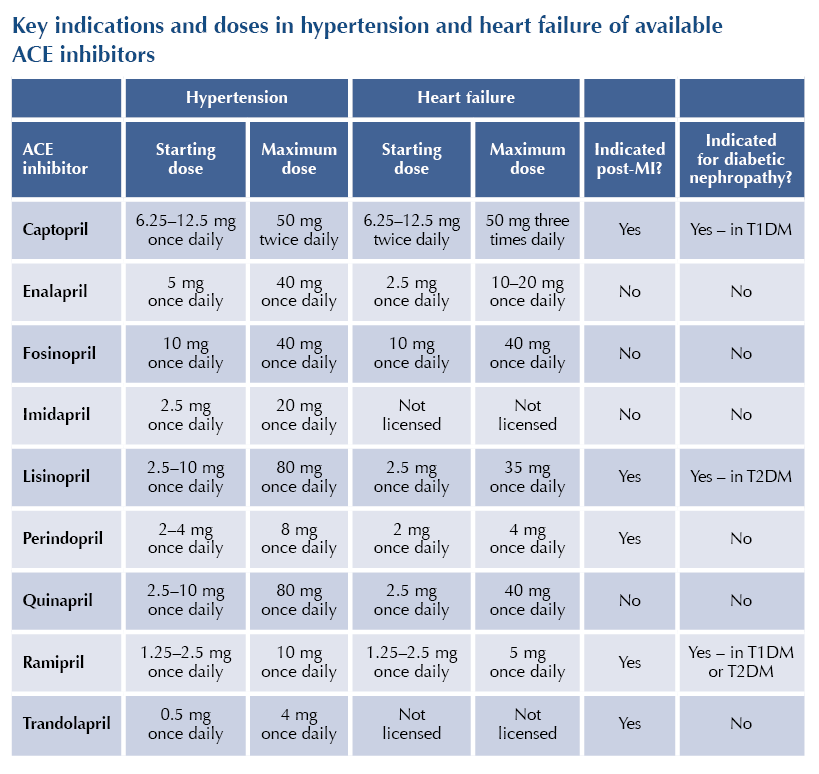
- ACE inhibitors or ARBs (such as lisinopril or losartan)
- Calcium channel blockers (such as amlodipine)
- Thiazide-like diuretics (such as chlorthalidone or indapamide)
These are effective and generally well-tolerated in older adults. Beta-blockers are less preferred as initial therapy unless there is a specific indication like prior heart attack.
Key Principles for Safe Prescribing
- Start low, go slow: Begin with half-dose or low-dose to assess tolerance.
- Monitor orthostatic BP: Check lying and standing pressures to catch drops.
- Avoid polypharmacy: Simplify regimens when possible to improve adherence.
- Review all medications: Watch for interactions or drugs that raise BP, including NSAIDs and decongestants.
Combination therapy is often needed to reach target, but should be introduced gradually.
Measuring Blood Pressure Accurately at Home
Avoid White Coat and Masked Hypertension
How you measure matters. Office readings can be misleading due to “white coat hypertension” (elevated only in clinic) or “masked hypertension” (normal in clinic, high at home).
Best practice includes:
- Home blood pressure monitoring (HBPM): Average of morning and evening readings over 5 to 7 days.
- Ambulatory blood pressure monitoring (ABPM): 24-hour tracking, considered the gold standard for diagnosis.
Targets based on home or ambulatory readings should be about 5 mmHg lower than office values. For example, a home systolic of 135 mmHg is equivalent to an office reading of 140 mmHg.
Proper Technique Tips
- Sit quietly for 5 minutes before measuring.
- Keep your back supported, feet flat, and arm at heart level.
- Use a validated upper-arm cuff, not wrist devices.
- Avoid caffeine, exercise, or smoking 30 minutes prior.
Accurate measurement ensures you are treating real hypertension, not measurement artifacts.
Why BP Guidelines Differ Across Organizations

Comparing Current Recommendations
You may see different targets depending on the source:
- ACC/AHA (U.S.): Recommends below 130/80 mmHg for most adults, including older patients if tolerated.
- ESC/ESH (Europe): Suggests below 140/90 mmHg for those 65 and older, with below 130 mmHg if achievable safely.
- Some geriatric guidelines: Propose below 150/90 mmHg for adults over 80.
These differences reflect varying interpretations of the same data and sometimes caution in the absence of evidence for the very elderly.
But the 2024 Cochrane review shifts the balance: high-certainty stroke prevention supports stricter targets. While flexibility is needed for frailty, relaxing goals purely due to age is no longer justifiable for most.
Real-World Management Tips for Clinicians and Caregivers
Putting Guidelines Into Practice
Managing blood pressure in older adults is not just about numbers. It is about people. Here is how to apply the evidence safely:
Step-by-Step Approach
- Assess overall health: Is the patient robust or frail?
- Use accurate BP measurement: Prefer home or ambulatory readings.
- Set individualized goals: Below 140/90 mmHg for most; consider below 150 for frail adults over 80.
- Start lifestyle changes first.
- Begin medication at low dose if needed.
- Monitor for side effects and adherence.
- Reassess every 1 to 2 months until stable.
Common Mistakes to Avoid
- Ignoring home BP readings
- Over-treating frail patients
- Under-treating robust older adults out of fear
- Failing to check orthostatic vital signs
- Not adjusting for medication interactions
Shared decision-making, which involves discussing risks, benefits, and patient preferences, is key to long-term success.
Gaps in Current Research on Elderly Hypertension
What Still Needs to Be Answered
Despite strong data, several questions remain unanswered:
- What is the optimal target for adults over 80?
- How should frailty be measured and incorporated into decisions?
- Are there genetic or biological markers that predict who benefits most?
- What are the long-term effects beyond four years?
We urgently need randomized trials focused on the oldest-old and frail populations, using comprehensive geriatric assessments to guide treatment. Until then, clinicians must balance current evidence with individual patient context.
Frequently Asked Questions About Blood Pressure Guidelines for the Elderly
What Is the Ideal Blood Pressure Target for Adults Over 65?
For non-frail adults aged 65 to 79, the evidence supports targeting below 140/90 mmHg, ideally as close to 130 mmHg as tolerated. This range provides strong stroke and cardiovascular protection based on high-certainty evidence.
Is It Safe to Lower Blood Pressure Aggressively in Older Adults?
Yes, for most robust older adults. The 2024 Cochrane review found no significant increase in medication dropouts due to side effects when targeting lower blood pressure. Starting at low doses and monitoring for orthostatic hypotension helps ensure safety.
Should Adults Over 80 Have Higher Blood Pressure Targets?
Evidence is limited because most trials excluded this age group. Some guidelines allow targets up to 160 mmHg systolic, but this approach lacks strong trial support. Decisions should be individualized based on frailty, overall health, and patient preferences.
Do Lower Blood Pressure Targets Actually Prolong Life?
Current evidence shows little to no difference in all-cause mortality over two to four years. However, lower targets clearly reduce stroke and serious cardiovascular events, which significantly improves quality of life and independence.
How Accurate Are Home Blood Pressure Monitors for Seniors?
Home monitors are highly valuable when used correctly. Choose a validated upper-arm cuff, sit quietly for 5 minutes before measuring, and average readings over 5 to 7 days. Home targets should be about 5 mmHg lower than office targets.
What Lifestyle Changes Work Best for Lowering BP in Older Adults?
Weight loss, sodium reduction, regular physical activity, and a Mediterranean or DASH-style diet are all effective. These changes can lower systolic pressure by up to 10 mmHg and may reduce the need for medication.
Key Takeaways for Managing Blood Pressure in Older Adults
- ✅ Lower BP targets (below 140/90 mmHg) prevent strokes based on high-certainty evidence.
- ✅ They also reduce heart attacks, heart failure, and cardiovascular events.
- ❓ No clear mortality benefit yet, but morbidity reduction is significant.
- ✅ Side effect-related dropouts are no more common with lower targets.
- ⚠️ Evidence is limited for adults over 80 and frail individuals, so caution is warranted.
- 🏡 Accurate measurement through home or ambulatory monitoring is essential.
- 🥦 Lifestyle changes are foundational.
- 💊 Medications are safe and effective when started gradually.
For most older adults, age alone is not a reason to relax blood pressure goals. The benefits of preventing devastating vascular events far outweigh the risks, provided treatment is individualized, carefully monitored, and patient-centered.
If you are caring for someone over 65 with high blood pressure, do not assume “a little high is normal.” Talk to their doctor about whether a target below 140/90 mmHg is right for them, and use home monitoring to ensure it is being met safely.