A broken neck in an elderly loved one changes everything overnight. What begins as a simple slip in the bathroom can spiral into months of hospitalization, rehabilitation, and permanent lifestyle changes. Unlike younger patients who typically heal from cervical fractures within 2–3 months, seniors over 80 often face recovery periods stretching beyond 6 months, with many never regaining full independence. The combination of fragile bones, chronic health conditions, and the physical toll of immobilization makes broken neck recovery elderly cases uniquely complex and demanding.
This guide provides a clear, honest look at what recovery truly involves for older adults. You will learn the actual healing timelines, why doctors often avoid surgery, the hidden dangers of wearing a neck brace for months, and how caregivers can provide effective physical and emotional support. Whether you are a family member, professional caregiver, or healthcare provider, this information will help you prepare for the real challenges ahead.
Immediate Response to a Suspected Cervical Fracture

When an older adult falls and hits their head or neck, quick thinking can prevent permanent damage. The priority is keeping the spine completely still until medical professionals arrive.
Assume a Neck Injury Until Proven Otherwise
Even a minor fall from standing height can fracture a fragile cervical vertebra in someone with osteoporosis. Emergency responders follow a strict rule: treat every fall victim as if they have a spinal injury until imaging confirms otherwise. Moving the person incorrectly can shift bone fragments into the spinal cord, causing paralysis or death.
If you witness a fall:
– Do not move the person unless they are in immediate danger
– Call emergency services right away
– Keep the head and neck aligned with the spine if you are trained to help
– Wait for paramedics with cervical collars and backboards
Watch for Subtle Warning Signs
Elderly patients do not always feel severe neck pain after a fracture. This lack of pain can be dangerously misleading. Watch for these signs after any fall:
- Stiffness or inability to turn the head
- Pain radiating into the shoulders or arms
- Numbness, tingling, or weakness in the hands or feet
- Confusion or sudden change in mental state
- Bruising or swelling at the base of the skull
Any of these symptoms after a fall require immediate medical evaluation, even if the person insists they feel fine.
Confirm the Diagnosis With Advanced Imaging
X-rays are often the first test, but they can miss small or complex fractures. Doctors rely on more detailed imaging to make an accurate diagnosis.
- CT scans show bone structure and fracture patterns clearly
- MRI scans reveal soft tissue damage, spinal cord compression, and nerve involvement
- Neurological exams test strength, sensation, and reflexes to check for nerve damage
These results guide the entire treatment plan and help predict recovery potential.
Surgical Versus Non-Surgical Treatment Decisions
Treatment choices depend on the fracture type, spinal stability, and the patient’s overall health. Age alone does not determine the path forward.
When Surgery Becomes Too Risky
For many elderly patients, especially those with heart disease, diabetes, or general frailty, surgery carries more danger than the fracture itself. Risks include excessive bleeding, dangerous infections, and complications from anesthesia.
Doctors typically recommend surgery only when:
– Bones are severely out of alignment
– The spinal cord is being compressed
– Neurological function is declining rapidly
Even in these cases, surgeons may delay the procedure to stabilize other health problems first.
Choosing Immobilization for Stable Fractures
Most cervical fractures in older adults heal without surgery using rigid braces that keep the spine completely still. A hard cervical collar works well for minor, stable fractures such as certain odontoid fractures at the C2 vertebra or compression fractures that do not affect the spinal cord. The goal is simple: prevent all movement so the bone can fuse naturally.
Using a Halo Vest for Maximum Stability
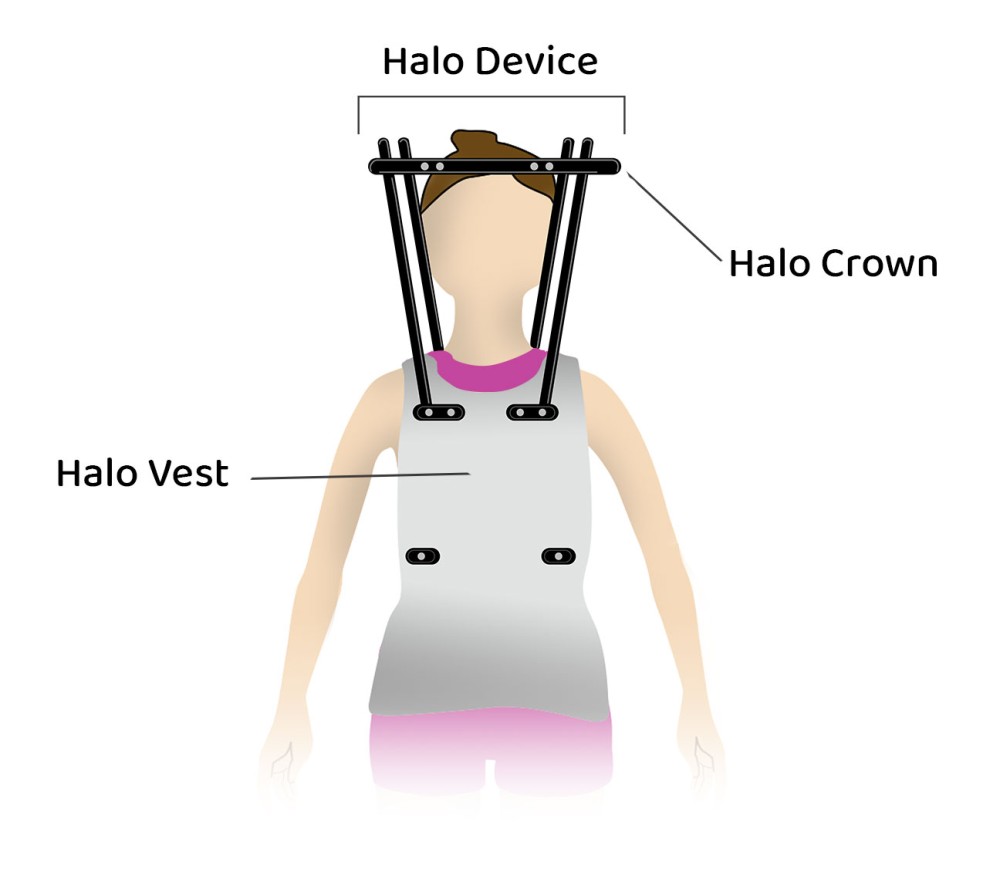
When a standard collar cannot provide enough support, doctors may prescribe a halo vest. This device includes a metal ring attached to the skull with pins, connected by rods to a molded vest worn on the torso. It immobilizes the head and neck almost completely for 2–3 months and is typically used for complex C1 or C2 fractures or for patients who cannot tolerate surgery. Despite its effectiveness, many patients struggle with the discomfort and skin complications it causes.
Realistic Healing Timelines for Elderly Patients
Forget the optimistic 2–3 month estimate often given at the hospital. For seniors, healing follows a much slower and less predictable path.
Initial Bone Healing Takes 6 to 12 Weeks
While younger adults may see bone fusion in about 8 weeks, elderly patients need a minimum of 6–12 weeks just for initial stabilization. Several factors slow this process:
- Osteoporosis weakens bone structure
- Poor blood supply to the cervical vertebrae
- Chronic conditions like diabetes and anemia
- Malnutrition, especially low protein and vitamin D
Follow-up CT scans confirm whether the bone is fusing properly. Removing the brace too early risks re-injury and permanent damage.
Full Recovery Often Extends Beyond 6 Months
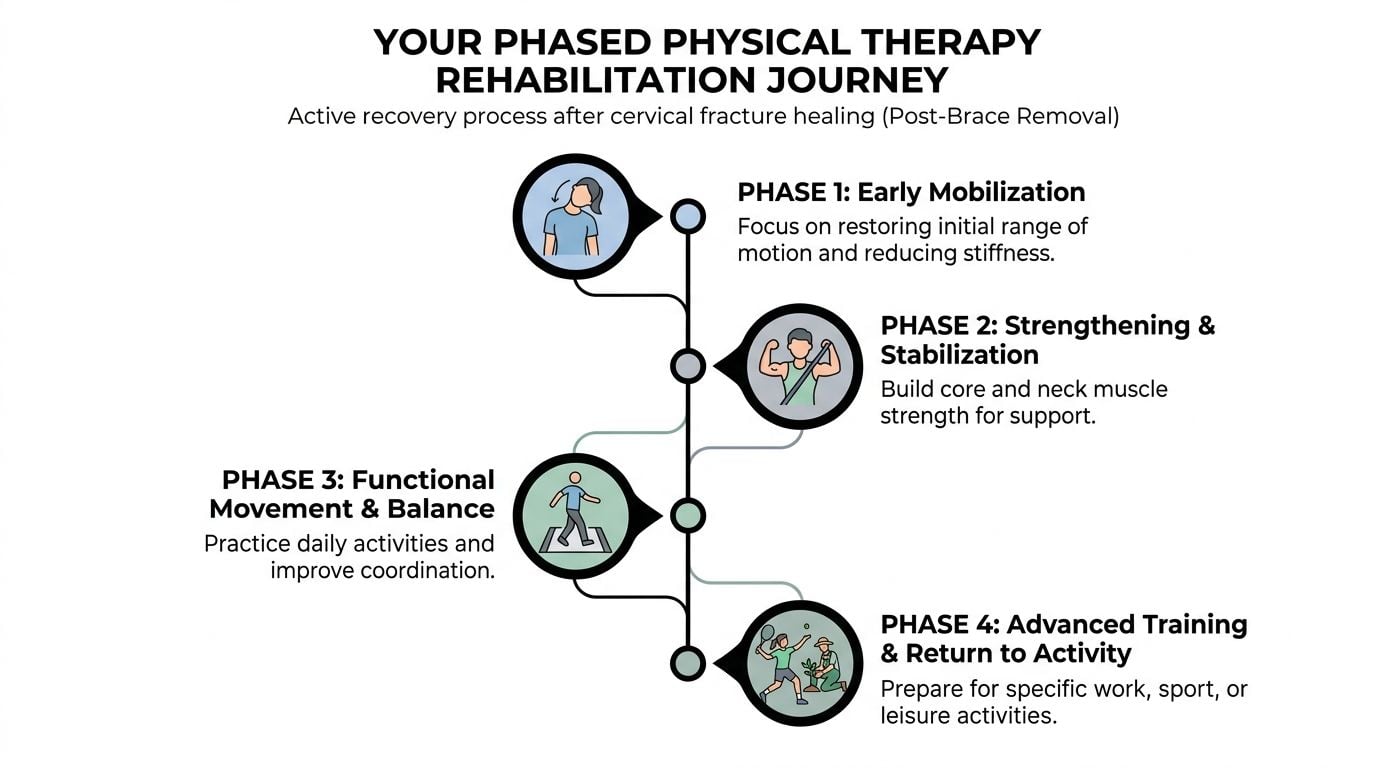
Even after the brace comes off, rehabilitation is just beginning. Most elderly patients move through three distinct phases:
| Phase | Duration | Primary Focus |
|---|---|---|
| Immobilization | 8–12 weeks | No movement, skin care, nutrition |
| Early rehabilitation | 3–4 months | Gentle range-of-motion exercises, sitting balance |
| Functional training | 4–6+ months | Standing, walking, daily living skills |
Many patients reach a plateau before regaining full independence.
Accepting Reduced Functional Outcomes
This is the hardest truth families must face: most elderly patients never return to their pre-injury level of function. Studies show that 40–60% require long-term help with daily activities, 30% transition to assisted living or nursing facilities, and 20% experience some form of permanent partial paralysis. Recovery goals shift from full restoration to maximizing independence within new limitations.
Complications From Prolonged Immobilization
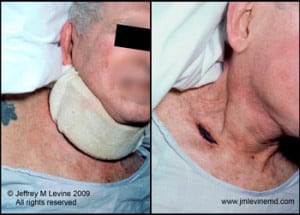
Keeping the neck still protects the spine, but months of limited movement create serious new health risks.
Preventing Pressure Sores and Skin Breakdown
Hard collars and halo vests press constantly against fragile skin. The most vulnerable areas include under the chin, behind the ears, the back of the skull, and the shoulders where a halo vest rests.
Daily skin checks are essential. Watch for:
– Redness that does not fade after pressure is relieved
– Blisters, open sores, or raw spots
– Swelling, warmth, or pus that signals infection
Use foam padding on pressure points, reposition the patient carefully during cleaning, and replace liner pads regularly. Moisture barriers like zinc oxide cream can protect areas prone to breakdown.
Fighting Muscle Atrophy and Joint Stiffness
Without movement, neck and shoulder muscles begin wasting away in as little as two weeks. The consequences include permanent loss of range of motion, difficulty holding the head upright, and increased fall risk once the brace is removed.
Once a doctor approves, physical therapy introduces gentle passive exercises where a therapist moves the patient’s limbs to maintain joint flexibility and circulation.
Avoiding Life-Threatening Systemic Complications
Weeks of lying still increase the risk of several dangerous conditions:
- Deep vein thrombosis (DVT): Blood clots in the legs that can travel to the lungs
- Pneumonia: Caused by shallow breathing due to pain or brace restriction
- Urinary tract infections: Often related to catheter use or incomplete bladder emptying
Prevention strategies include prescribed blood thinners, incentive spirometry for deep breathing, frequent position changes, leg exercises, and careful hydration monitoring.
Managing Swallowing and Nutritional Challenges

A stiff neck brace does more than limit movement. It can make eating a daily struggle and a serious safety concern.
Recognizing Dysphagia Early
Difficulty swallowing affects up to 50% of elderly patients in cervical collars. Causes include the altered position of the throat, nerve damage from the injury, and weakened swallowing muscles from disuse.
Warning signs include:
– Coughing or choking during meals
– A wet or gurgly sounding voice after swallowing
– Drooling or food collecting in the cheeks
– Unexplained weight loss or dehydration
Modifying the Diet for Safe Eating
A speech-language pathologist can evaluate swallowing function and recommend safe food textures. Common adjustments include thickened liquids at nectar or honey consistency, soft or pureed foods like mashed potatoes and yogurt, small bites eaten slowly, and an upright position at 90 degrees during and after meals. Never leave a patient with dysphagia unattended while eating.
Monitoring for Malnutrition and Dehydration
Eating difficulties combined with reduced appetite lead to rapid nutritional decline. Watch for weight loss greater than 5% in a month, dry mouth, low urine output, fatigue, confusion, or dizziness.
High-calorie, high-protein shakes can supplement meals when solid food intake drops. Key supplements include vitamin D and calcium for bone healing, protein powder to prevent muscle loss, and a daily multivitamin when appetite is poor.
Supporting Mental Health and Emotional Resilience
The psychological impact of a broken neck is often overlooked, yet it shapes recovery just as much as physical care.
Expect Mood Changes and Depression
Sudden loss of independence, chronic pain, and isolation trigger powerful emotional responses. Irritability, frustration, anxiety about the future, and clinical depression (reported in up to 40% of elderly trauma patients) are all normal reactions to trauma, not signs of weakness or bad attitude.
Combating Isolation Through Engagement
Patients confined to a brace and bed feel cut off from the world. Caregivers can help by visiting daily even for short periods, playing favorite music or audiobooks, facilitating video calls with family and friends, and encouraging small decisions like choosing meals or clothing to restore a sense of control.
Involving Mental Health Professionals
Early intervention prevents emotional crises from derailing physical recovery. Options include a geriatric psychologist for talk therapy, a psychiatrist who can prescribe antidepressants such as SSRIs when needed, and an occupational therapist who helps rebuild daily routines with meaningful purpose.
The Caregiver Role in Daily Management
Caregivers are the backbone of recovery. Your daily vigilance often determines outcomes more than any medical treatment plan.
Mastering Brace and Skin Care
A consistent daily routine should include inspecting the skin under the collar twice each day, cleaning gently with mild soap and drying thoroughly, checking that the brace fits properly without sliding or pinching, and replacing damaged liners immediately. Apply moisture barriers like zinc oxide to pressure points at the first sign of redness.
Assisting With Activities of Daily Living
Most patients depend on caregivers for 100% of their needs during the immobilization phase. Help with feeding using adaptive utensils when needed, sponge baths while keeping the brace dry, toileting with a bedpan, commode, or transfer assistance, and dressing in loose, front-opening clothing.
Always explain each step before doing it and preserve privacy to maintain the patient’s dignity.
Communicating Effectively With the Medical Team
You are the patient’s voice when they cannot speak for themselves. Ask questions such as when physical therapy can begin, whether the latest scan shows bone healing, and what warning signs require immediate attention at home.
Report any changes right away, including new numbness or weakness, fever, increased confusion, or worsening swallowing difficulties.
Preventing Future Falls at Home

Since most cervical fractures in seniors start with a simple fall, prevention becomes a critical part of long-term recovery.
Modifying the Home Environment
Focus on the highest-risk areas first:
Bathroom upgrades:
– Install grab bars near the toilet and inside the shower
– Place non-slip mats inside and outside the tub
– Add a shower chair and handheld showerhead
Bedroom and hallway improvements:
– Install nightlights for safe nighttime movement
– Remove all loose rugs and floor clutter
– Consider bed rails for safer transfers
Kitchen and living areas:
– Store frequently used items within easy reach
– Keep walking paths completely clear
– Choose furniture with armrests to assist with standing
Reviewing Medications With a Doctor
Many common medications increase fall risk. High-risk drugs include sedatives and sleep aids, blood pressure medications that cause dizziness, certain antidepressants that affect balance, and antipsychotics used in dementia care.
Request a comprehensive medication review to identify and adjust problematic prescriptions.
Adding Safety Technology
Modern devices offer extra protection. Medical alert systems worn as pendants or watches provide instant access to emergency help. Fall detection sensors worn on the body or placed on floors automatically summon assistance. Smart home devices like voice-controlled lights and thermostats reduce the need to move around in the dark or climb for switches.
Long-Term Outlook and Realistic Recovery Goals
Recovery does not end when the brace comes off. The journey continues for months or years as patients adapt to new realities.
Accepting Changes in Independence
For many elderly patients, full recovery remains out of reach. Instead, focus shifts to maximizing remaining function, managing chronic pain, preventing complications, and maintaining the best possible quality of life.
Some patients will need walking aids like canes or walkers, part-time home health aides for daily tasks, or full-time assisted living arrangements. Planning for these possibilities is not giving up. It is realistic, compassionate care.
Continuing Therapy and Support
Even after formal rehabilitation ends, ongoing exercise and monitoring protect long-term health. Continue gentle neck and shoulder exercises at home, attend outpatient physical or occupational therapy sessions, and monitor bone density with regular DEXA scans to catch osteoporosis early. Joining a support group for spinal injury patients and caregivers provides emotional relief and practical advice.
Prioritizing Bone Health for the Future
Preventing another fracture starts with stronger bones. Aim for 1200 mg of calcium daily through food and supplements, 800–1000 IU of vitamin D to support absorption, weight-bearing exercise as tolerated, and prescribed osteoporosis medications like bisphosphonates when appropriate.
Frequently Asked Questions About Broken Neck Recovery Elderly
How long does broken neck recovery take for someone over 80?
Initial bone healing requires 6–12 weeks, but full rehabilitation often extends 6 months or longer. Many patients never fully return to their pre-injury function and may require permanent assistance with daily activities.
Why is surgery often avoided for elderly patients with broken necks?
Surgery carries significant risks for seniors, including bleeding, infection, and anesthesia complications. For patients with stable fractures and high surgical risk, immobilization with a brace is often safer and equally effective.
What are the most common complications of wearing a neck brace for months?
The most serious complications include pressure sores and skin breakdown, muscle atrophy and joint stiffness, deep vein thrombosis, pneumonia, urinary tract infections, and difficulty swallowing that leads to malnutrition.
Can an elderly person fully recover from a broken neck?
Full recovery is possible but uncommon for those over 80. Most patients regain some independence but face permanent limitations. Recovery goals typically shift from full restoration to maximizing function within new physical constraints.
How can caregivers prevent pressure sores under a neck brace?
Inspect the skin twice daily under the chin, behind the ears, and at the back of the skull. Keep skin clean and dry, use foam padding on pressure points, apply moisture barriers like zinc oxide, and replace damaged liner pads immediately.
What foods are safest for someone in a cervical collar?
Soft or pureed foods like mashed potatoes, yogurt, scrambled eggs, and blended soups work well. Liquids should be thickened to nectar or honey consistency if swallowing is difficult. Always maintain an upright 90-degree position during meals.
Key Takeaways for Families Facing Broken Neck Recovery Elderly
Broken neck recovery elderly patients require patience, realistic expectations, and comprehensive support that extends far beyond the hospital stay. Healing takes significantly longer than the standard 2–3 month estimate, often stretching beyond 6 months with permanent functional changes. Surgery is frequently avoided due to health risks, making proper brace management and skin care essential daily responsibilities. Complications like pressure sores, blood clots, pneumonia, and depression are common and require constant vigilance from caregivers.
The most important step you can take today is to prepare your home environment and educate yourself on the realities ahead. Install grab bars, remove tripping hazards, and stock nutritional supplements before they are needed. Build a support network of medical professionals, family members, and mental health resources. With informed care and realistic goals, elderly patients can achieve meaningful recovery and maintain dignity throughout this challenging journey.