If your elderly loved one is taking Ambien (zolpidem) for sleep, you’re not alone. Millions of older adults use this medication, yet many caregivers and patients don’t realize how dangerous it can be. Ambien side effects in elderly patients are far more severe than in younger users, even at the lowest prescribed doses.
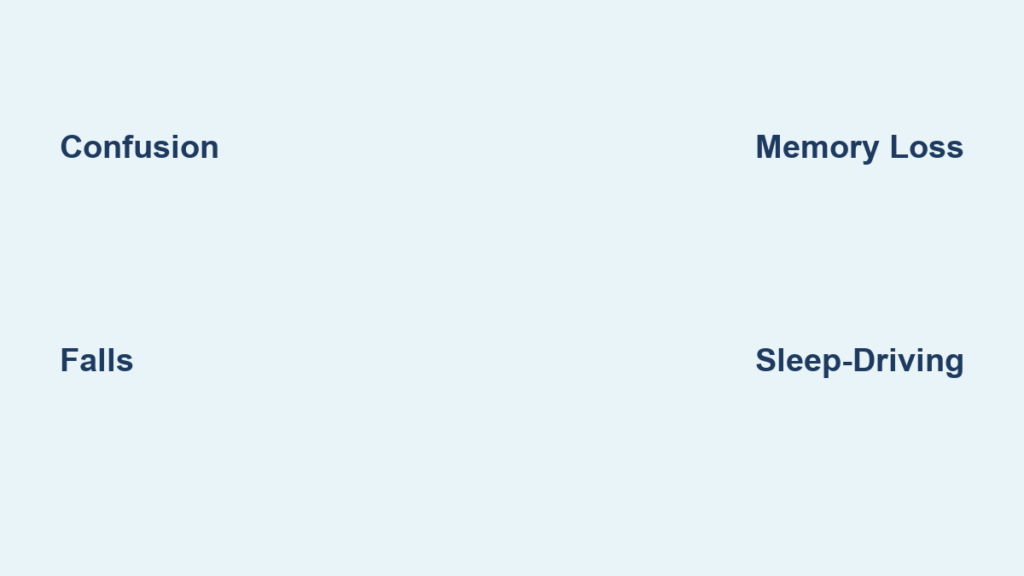
Confusion, falls, memory loss, and unpredictable behaviors like sleep-driving are real possibilities. The American Geriatrics Society explicitly advises against zolpidem use in adults over 65 due to these heightened risks. This isn’t just about morning grogginess. It’s about potentially life-altering injuries.
This guide explains exactly how Ambien affects older adults differently, how to spot early warning signs, safe dosing rules, and proven alternatives that don’t carry the same dangers. Whether you’re a caregiver or managing your own sleep, this information matters.
Heightened Sensitivity in Older Adults
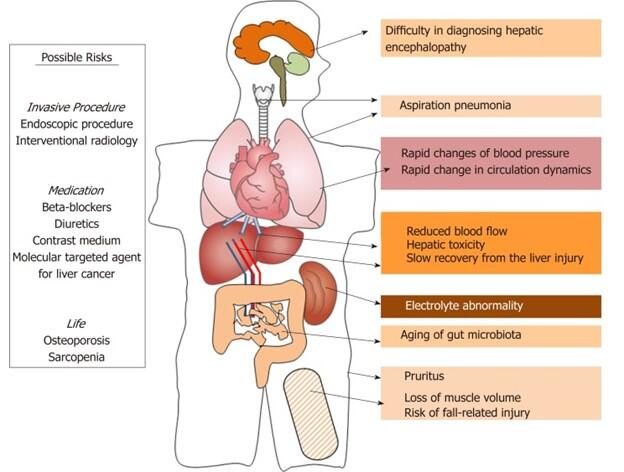
Elderly patients process Ambien much more slowly than younger people, which makes standard doses potentially toxic. Age-related changes in liver and kidney function reduce the body’s ability to clear zolpidem, causing drug buildup and prolonged sedation.
Why Elderly React Differently
The brain becomes more sensitive to CNS depressants with age. A dose that causes mild drowsiness in a 40-year-old can cause significant confusion, dizziness, or unsteadiness in someone over 65. Common conditions like mild liver disease or chronic kidney issues further slow metabolism, amplifying side effects.
Lower Dosing Requirements
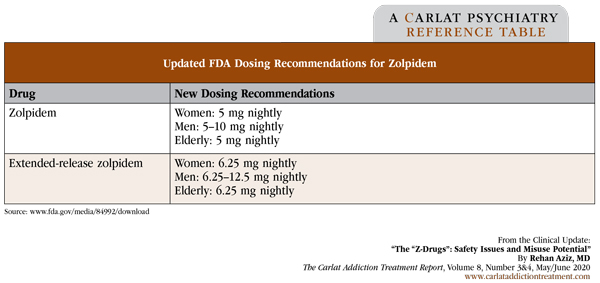
To reduce risk, dosing for seniors is strictly limited:
– Immediate-release tablets: 5 mg once nightly, versus up to 10 mg for younger men
– Extended-release tablets: 6.25 mg once nightly, versus up to 12.5 mg
– Avoid redosing: Only one dose per night, taken right before bed
Taking more than prescribed, even occasionally, dramatically increases the chance of next-day impairment and complex sleep behaviors.
Cognitive Impairment and Memory Loss
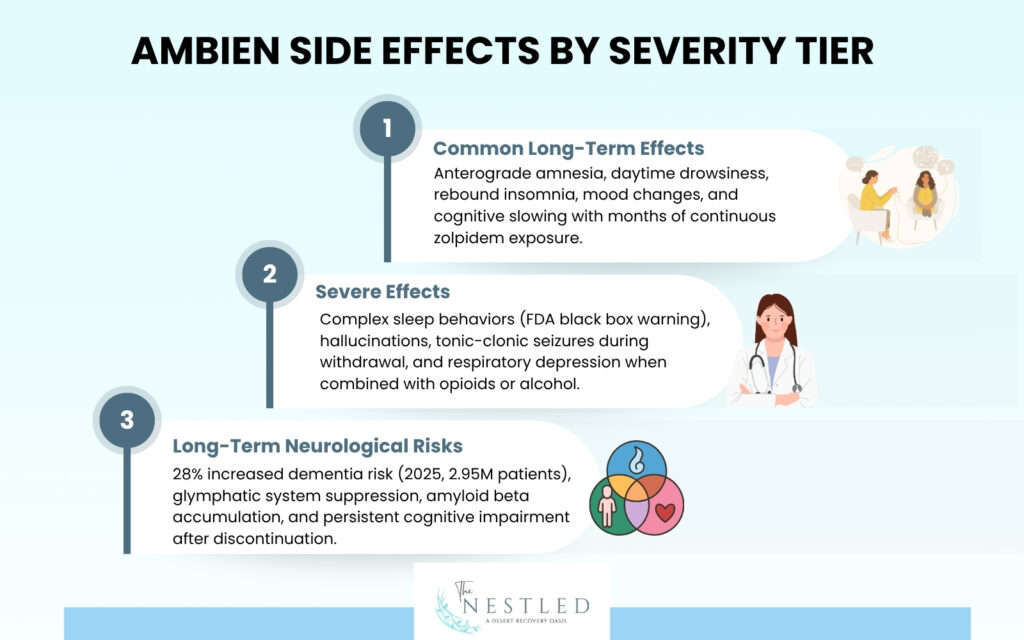
One of the most concerning Ambien side effects in elderly users is cognitive decline, ranging from mild confusion to long-term memory damage.
Next-Day Confusion and “Hangover” Effect
Many seniors wake up disoriented, unable to recall where they are or what day it is. This hangover effect stems from residual drug activity in the brain. It impairs judgment, reaction time, and short-term memory, putting patients at risk during routine activities like cooking, driving, or managing medications.
Increased Risk of Delirium
Delirium, a sudden state of confusion and altered consciousness, is a documented side effect of zolpidem in older adults. Symptoms include:
– Incoherent speech
– Agitation or withdrawal
– Hallucinations, including seeing or hearing things that aren’t there
These episodes are often misdiagnosed as dementia or psychiatric illness rather than recognized as drug-related.
Link to Dementia and Alzheimer’s
While causation isn’t proven, multiple studies show a strong association between long-term zolpidem use and increased dementia risk. A 2017 Taiwanese study found older adults who used zolpidem more than 180 days per year had a significantly higher risk of developing Alzheimer’s compared to those using it less than 28 days annually.
Falls, Fractures, and Physical Injury
Falls are the leading cause of injury-related hospitalization and death in older adults, and Ambien dramatically increases that risk.
Why Falls Happen
Zolpidem causes dizziness, lightheadedness, and poor coordination, especially when getting up at night. Many falls occur during bathroom trips in the dark. The combination of sedation, impaired balance, and reduced alertness creates a perfect storm for accidents.
Consequences of Falls
For seniors, a fall isn’t just a bruise. Common outcomes include:
– Hip fractures, often requiring surgery
– Traumatic brain injuries such as subdural hematoma
– Loss of independence
– Extended nursing home stays
Hip fractures alone lead to death in up to 24% of cases within one year.
Driving Risks the Next Day
Residual drowsiness can persist into the morning, impairing driving ability. Studies show Ambien users are about twice as likely to be in a car crash. The FDA has warned that driving after taking Ambien CR is comparable to driving drunk. Older adults should avoid operating vehicles or machinery until fully alert, typically not until 8 or more hours after dosing.
Complex Sleep Behaviors: FDA Boxed Warning
The FDA has issued its strongest safety alert, a Boxed Warning, for Ambien due to reports of complex sleep behaviors.
What Are Complex Sleep Behaviors?
These are dangerous activities performed while not fully awake, with no memory afterward. They include:
– Sleepwalking
– Sleep-driving, sometimes at high speeds
– Preparing and eating food
– Making phone calls
– Engaging in sexual activity
– Committing crimes
Patients often perform these actions with their eyes open and appear coherent, but are actually in a dissociated state.
No Prior History Needed
These events can happen to people with no history of sleep disorders. Risk increases with:
– Higher doses
– Alcohol use
– Concurrent use of opioids or benzodiazepines
– Use of extended-release formulations
Immediate Action Required
If any unusual nighttime behavior occurs, even once, the medication must be stopped immediately. Continuing use could result in serious injury or legal consequences.
Psychological and Mood Changes
Ambien can trigger sudden shifts in mental state, particularly in vulnerable seniors.
Mood Swings and Aggression
Users may experience:
– Irritability
– Agitation
– Unexplained anxiety
– Depression
– Suicidal thoughts
These symptoms can appear without warning and may be mistaken for underlying psychiatric conditions.
Paradoxical Reactions
Some elderly patients react paradoxically, becoming unusually excited, talkative, or hyperactive instead of sleepy. This abnormal excitement can mimic mania and increase fall or injury risk.
Psychosis-Like Episodes
In rare cases, zolpidem can induce delusions or hallucinations resembling psychosis. These are more likely when combined with SSRIs like sertraline or fluoxetine. Patients may believe they’re being followed or hear voices, leading to distress and emergency room visits.
Gastrointestinal and Physical Side Effects
While less dangerous, these side effects impact comfort and quality of life.
Nausea and Digestive Issues
Nausea is common, especially with extended-release forms. Some patients also report:
– Constipation
– Diarrhea
– Stomach discomfort
Taking Ambien on an empty stomach improves absorption but may worsen nausea. A small, light snack may help, though it delays sleep onset by 30 to 60 minutes.
Headaches and Muscle Pain
Generalized headaches and muscle aches are frequently reported. These may be related to changes in sleep architecture or dehydration during sleep.
Taste Disturbances and Vision Problems
Some users complain of a bitter or metallic taste. Rarely, blurred vision or double vision occurs, which should prompt immediate medical evaluation.
Dependency and Withdrawal Risks
Despite being prescribed for short-term use, many seniors develop dependence, sometimes within weeks.
Tolerance Builds Quickly
Over time, the brain adapts to zolpidem, reducing its effectiveness. Patients may start taking higher doses or feel they can’t sleep without it. Some report the drug suddenly stops working after years of use.
Physical and Psychological Dependence
Even when taken as directed, the body can become dependent. This risk is elevated in those with a history of alcohol or substance use.
Withdrawal Symptoms After Stopping
Stopping Ambien abruptly, especially after months of use, can cause withdrawal, including:
– Rebound insomnia worse than before
– Anxiety and panic attacks
– Nausea and vomiting
– Sweating and tremors
– Stomach cramps
In severe cases, withdrawal can lead to seizures, hallucinations, or delirium.
Safe Tapering Is Essential
Never stop cold turkey. A gradual taper over several weeks, guided by a doctor, is critical to avoid serious complications.
Long-Term Health Risks: Cancer and Mortality
Emerging research suggests Ambien may be linked to broader health dangers.
Increased Cancer Risk
A 2012 study found that people taking 300 mg or more of zolpidem per year were over six times more likely to develop cancer than non-users. While causation isn’t proven, the association raises red flags.
Higher Mortality Rates
Even light users, those taking fewer than 18 doses per year, showed increased death rates over a 2.5-year period. A 2022 study also linked zolpidem exposure to higher risk of death from brain cancer in adults.
These findings don’t prove Ambien causes cancer or early death, but they reinforce the need to avoid long-term use.
Dangerous Drug Interactions
Ambien can interact with many common medications, increasing side effect risks.
Alcohol and CNS Depressants
Combining Ambien with:
– Alcohol
– Opioids such as oxycodone
– Benzodiazepines such as lorazepam
– Antihistamines such as diphenhydramine
– Muscle relaxants
can cause severe respiratory depression, coma, or death. Even one drink on the same night is dangerous.
SSRIs Increase Hallucination Risk
Drugs like sertraline (Zoloft) and fluoxetine (Prozac) increase the likelihood of hallucinations when taken with zolpidem. Caution is essential when combining these medications.
Food Delays Effectiveness
Eating a meal within two hours of taking Ambien slows absorption and delays sleep onset. It should be taken on an empty stomach, unless nausea is a problem.
Who Should Avoid Ambien Altogether?
Certain conditions make Ambien unsafe for seniors.
Contraindications
- Severe liver disease: Risk of encephalopathy and coma
- Sleep apnea: Can worsen breathing during sleep
- History of substance abuse: High risk of misuse
- Pregnancy in the third trimester: Can cause breathing problems in newborns
- Breastfeeding: Drug passes into milk; infant risk unknown
Precautions for Chronic Conditions
- Mild-to-moderate kidney or liver disease requires dose adjustment and monitoring
- Depression or mental illness may worsen symptoms
- Dementia increases risk of agitation and delirium
Safer Alternatives to Ambien

Given the risks, non-drug therapies are preferred for elderly insomnia.
First-Line: Cognitive Behavioral Therapy for Insomnia (CBT-I)
CBT-I is the gold standard for chronic insomnia. It addresses the root causes of poor sleep through:
– Sleep restriction
– Stimulus control
– Cognitive restructuring
– Relaxation training
Unlike medication, CBT-I provides lasting benefits without side effects. Many telehealth programs offer CBT-I specifically for seniors.
Lifestyle and Sleep Hygiene Tips
- Stick to a schedule: Wake and sleep at the same time daily
- Limit naps: No longer than 20 to 30 minutes
- Avoid screens before bed: Blue light suppresses melatonin
- Exercise daily: Even short walks improve sleep quality
- Diet upgrades: Smoothies with oats, berries, and chia seeds support restful sleep
- Reduce caffeine: Avoid after noon
Medication Alternatives (Use with Caution)
While no sleep aid is risk-free, some options may be considered when non-drug methods fail:
– Melatonin (low dose: 1 to 3 mg): May help regulate sleep-wake cycles
– Trazodone (low dose): Often used off-label; less fall risk than benzodiazepines
– Doxepin (Silenor): Approved for sleep maintenance; lower abuse potential
Even these carry risks of dizziness or cognitive effects, so they should be used sparingly and monitored closely.
When Is Ambien Ever Safe for Seniors?
In rare cases, a doctor may prescribe Ambien temporarily, only if:
– Non-drug methods have failed
– Insomnia is severe and impairing daily function
– No contraindications exist
– The patient lives in a safe environment with no stairs and fall prevention measures
Even then, it should be:
– Lowest dose possible, either 5 mg IR or 6.25 mg ER
– Short-term only, a maximum of 7 to 10 days
– Closely monitored for side effects
Long-term use should be avoided at all costs.
Frequently Asked Questions About Ambien Side Effects in Elderly
Why is Ambien dangerous for older adults?
Older adults process zolpidem more slowly due to age-related liver and kidney changes. This leads to drug accumulation, prolonged sedation, and heightened risks of confusion, falls, and complex sleep behaviors. The American Geriatrics Society lists it as potentially inappropriate for adults over 65.
What is the safest dose of Ambien for elderly patients?
The recommended dose is 5 mg immediate-release or 6.25 mg extended-release, taken once nightly at bedtime. Higher doses significantly increase the risk of next-day impairment and serious side effects.
Can Ambien cause dementia in seniors?
Studies show an association between long-term zolpidem use and increased dementia risk, though causation isn’t proven. A 2017 study found higher Alzheimer’s risk in those using zolpidem more than 180 days per year.
What should I do if my loved one sleepwalks on Ambien?
Stop the medication immediately and contact a healthcare provider. Complex sleep behaviors can be dangerous and may result in injury or legal consequences. The FDA requires discontinuation after any such episode.
Are there safer sleep medications for elderly patients?
No sleep medication is completely risk-free, but options like low-dose melatonin, trazodone, or doxepin may carry lower risks than zolpidem. Cognitive Behavioral Therapy for Insomnia (CBT-I) is the preferred first-line treatment.
How can elderly patients stop Ambien safely?
Never stop abruptly. A gradual taper over several weeks, supervised by a doctor, is essential to avoid withdrawal symptoms like rebound insomnia, seizures, or delirium.
Key Takeaways for Caregivers and Patients
Ambien side effects in elderly patients are serious and often underestimated. Confusion, falls, complex sleep behaviors, and potential links to dementia make this medication risky for most seniors. Lower doses reduce but don’t eliminate these dangers.
Safer alternatives exist. CBT-I offers lasting results without side effects. Lifestyle changes like consistent sleep schedules, reduced screen time, and regular exercise can dramatically improve sleep quality. When medication is necessary, options like low-dose melatonin or trazodone may be considered under close medical supervision.
If you or a loved one is currently taking Ambien, schedule a conversation with your doctor. Review the dose, discuss any concerning symptoms, and ask about tapering or transitioning to safer alternatives. Better sleep shouldn’t come at the cost of safety or independence.