

Bloating is a common yet often overlooked issue among older adults, affecting comfort, appetite, and quality of life. If you or a loved one over 65 frequently feels full, swollen, or uncomfortable after meals, you’re not alone. How to reduce bloating in elderly individuals is a growing concern due to age-related digestive changes, slower metabolism, and decreased gut motility that lead to gas buildup and discomfort. Left unmanaged, chronic bloating can contribute to poor nutrition, reduced mobility, and social withdrawal.
The good news is that most causes of bloating in seniors are manageable with simple dietary tweaks, lifestyle adjustments, and proper medical oversight. This guide delivers practical strategies tailored specifically for older adults. You will learn how to identify common triggers, make safe dietary changes, improve digestion, and recognize when bloating signals a more serious condition. Whether dealing with daily discomfort or occasional swelling, these steps can bring fast relief and long-term improvement.
Pinpoint Common Bloating Triggers in Older Adults
Understanding what causes bloating is the first step toward lasting relief. In elderly individuals, several factors interact to increase gas and abdominal pressure. Recognizing these can help prevent uncomfortable episodes before they start.
How Aging Slows Digestion and Increases Gas
As people age, the digestive system naturally slows down. Gastric emptying takes longer, increasing the chance of fermentation and gas production in the gut. Reduced stomach acid and lower enzyme production impair food breakdown, especially proteins and carbohydrates. This leads to undigested food feeding gut bacteria, resulting in bloating and discomfort.
Weakened abdominal muscles and decreased intestinal motility, common in sedentary seniors, also contribute to sluggish digestion and constipation. Both are major bloating culprits that often go unrecognized.
Medications That Cause Bloating in Seniors
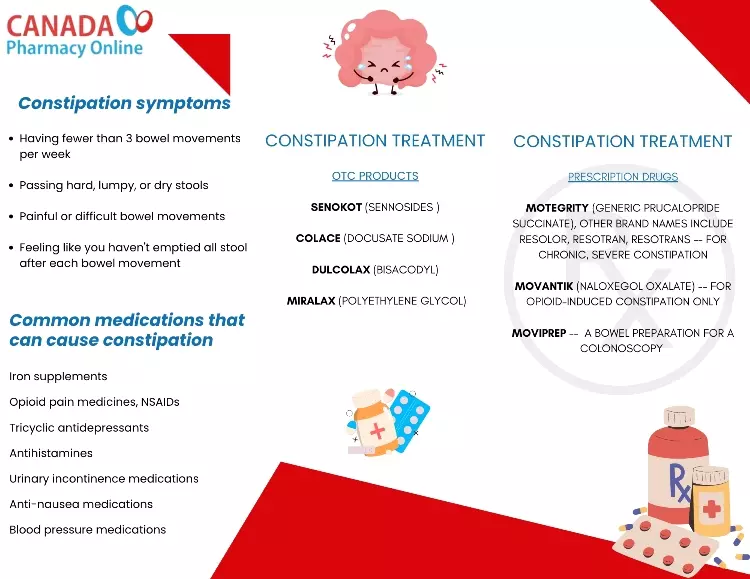
Many medications commonly prescribed to older adults list bloating or gas as side effects. These include:
- Calcium and iron supplements, which often cause constipation and gas
- NSAIDs like ibuprofen, which may irritate the gut lining
- Diabetes medications such as metformin, linked to bloating and diarrhea
- Opioid painkillers, which slow bowel movements significantly
- Certain antidepressants and antihypertensives, which affect gut motility
If bloating began after starting a new medication, consult a doctor. Never stop taking prescribed drugs without medical advice, but ask about alternatives or dosage adjustments that may reduce digestive side effects.
Gas-Producing Foods to Watch

Certain foods are notorious for causing gas and bloating, especially in sensitive digestive systems. Seniors should monitor intake of:
- Legumes like beans and lentils, which are high in indigestible fibers
- Cruciferous vegetables such as broccoli, cabbage, and cauliflower, which contain raffinose
- Onions and garlic, which contain fermentable carbohydrates known as FODMAPs
- Carbonated drinks, which introduce excess air into the digestive tract
- Dairy products, which are problematic for those with lactose intolerance that increases with age
Keeping a food and symptom diary for 5 to 7 days can help pinpoint specific personal triggers and guide dietary adjustments.
Adjust Daily Eating Habits for Better Digestion
Small, strategic changes to eating habits can significantly reduce bloating in older adults. The goal is to support digestion without sacrificing nutrition, which is critical for maintaining strength and immunity in later years.
Eat Smaller, More Frequent Meals
Large meals overwhelm an aging digestive system. Instead, eating 5 to 6 small meals throughout the day reduces pressure on the stomach and promotes steady digestion. This approach also helps regulate blood sugar and prevents overeating, both beneficial for overall elderly health.
Tip: Use smaller plates and bowls to control portion size without feeling deprived.
Limit Salt and Processed Foods
High sodium intake causes fluid retention, leading to abdominal swelling and discomfort. Processed foods like canned soups, frozen meals, and deli meats are often loaded with salt. Seniors should aim for less than 2,300 mg of sodium per day, and closer to 1,500 mg if they have heart or kidney issues.
What to do:
- Read nutrition labels carefully on every packaged item
- Choose “low-sodium” or “no salt added” versions when available
- Flavor food with herbs and spices instead of salt
Add Soluble Fiber Slowly to Prevent Gas

Fiber is essential for bowel regularity, but too much too soon can worsen bloating. Soluble fiber found in oats, apples, carrots, and psyllium absorbs water and forms a gel, easing digestion and reducing gas compared to insoluble fiber.
Start with 1 to 2 servings per day and increase slowly over 2 to 3 weeks. Pair with plenty of fluids to prevent constipation. Avoid high-insoluble fiber foods like bran and raw vegetables if bloating is severe.
Stay Hydrated to Prevent Constipation and Gas
Dehydration is a hidden cause of bloating in seniors, who often have a diminished thirst response. Without enough water, stool hardens and moves slowly, causing gas buildup in the colon.
Aim for 6 to 8 glasses (1.5 to 2 liters) of fluids daily, including water, herbal teas, and clear broths. Avoid sugary drinks and excess caffeine, which can dehydrate and irritate the gut lining.
Pro tip: Add lemon or cucumber to water for flavor, which can encourage more consistent intake throughout the day.
Support Gut Health With Probiotics and Smart Choices
A healthy gut microbiome plays a key role in preventing bloating. In older adults, gut bacteria diversity often declines, increasing susceptibility to gas, constipation, and inflammation.
Choose Safe Probiotics for Seniors
Probiotics are live beneficial bacteria that can help rebalance the gut and reduce bloating, especially if caused by antibiotic use or irregular digestion. Look for strains like Lactobacillus acidophilus and Bifidobacterium lactis, which are well-studied in older populations.
Options include:
- Probiotic supplements (choose refrigerated or shelf-stable options with at least 10 billion CFUs)
- Fermented foods like lactose-free yogurt, kefir, and sauerkraut
Caution: Start with a low dose and monitor for gas or discomfort, which may occur initially as the gut adjusts.
Try a Low-FODMAP Diet Under Guidance
FODMAPs are short-chain carbohydrates that ferment in the gut, producing excess gas. A low-FODMAP diet can reduce bloating, especially in those with irritable bowel syndrome.
Common high-FODMAP foods to limit:
- Apples, pears, and mangoes
- Milk, yogurt, and soft cheeses
- Wheat and rye bread
- Honey and high-fructose corn syrup
- Artificial sweeteners like sorbitol and mannitol
This diet should be followed short-term (2 to 6 weeks) and ideally under dietitian guidance to avoid nutrient deficiencies common in seniors.
Stop Swallowing Excess Air
Aerophagia, or unconsciously swallowing air, can cause significant bloating. Common causes in seniors include:
- Eating too quickly
- Chewing gum or sucking on hard candies
- Wearing ill-fitting dentures
- Drinking through straws
Fix it by:
- Eating slowly and chewing each bite thoroughly
- Removing dentures if they cause discomfort during meals
- Avoiding gum and carbonated beverages throughout the day
Encourage Gentle Movement to Aid Digestion
Movement stimulates the digestive tract and helps expel trapped gas. For elderly individuals, even light activity can make a big difference in reducing daily bloating.
Take Short Walks After Meals
A 10 to 15 minute walk after meals encourages peristalsis, the wave-like muscle contractions that move food through the gut. This simple habit can prevent gas buildup and improve bowel regularity.
Tip: Use a walker or cane if needed. Consistency matters more than speed or distance.
Try Seated Exercises for Limited Mobility
For those with limited mobility, seated movements can still aid digestion and reduce bloating:
- Gentle torso twists while seated
- Knee lifts performed slowly
- Ankle pumps and leg extensions
These improve circulation and engage core muscles, supporting healthy digestive function without requiring standing activity.
Practice Gentle Abdominal Massage
A light clockwise massage of the abdomen can stimulate bowel movement and relieve trapped gas. Use warm hands and gentle pressure, following the path of the colon from lower right to upper right, across, then down the left side.
Perform this for 3 to 5 minutes, especially when constipated or feeling bloated after meals.
Know When Bloating Signals a Serious Condition
While most bloating is harmless and diet-related, persistent or worsening symptoms may indicate an underlying medical issue, especially in the elderly population.
Recognize Red Flag Symptoms
Seek medical attention if bloating is accompanied by:
- Unintentional weight loss
- Blood in stool
- Severe or worsening abdominal pain
- Persistent nausea or vomiting
- Changes in bowel habits lasting more than 2 weeks
These could signal conditions like colon cancer, celiac disease, diverticulitis, or heart failure that require prompt evaluation.
Rule Out Common Medical Causes
Several health conditions common in older adults mimic or cause chronic bloating:
- Constipation, the most frequent cause, is often underreported by seniors
- Irritable Bowel Syndrome (IBS), diagnosed after ruling out other diseases
- Lactose intolerance, which develops with age due to declining lactase enzyme
- Small Intestinal Bacterial Overgrowth (SIBO), caused by excess bacteria in the small intestine
- Ascites, fluid buildup in the abdomen due to liver or heart disease
A doctor may order blood tests, stool analysis, breath tests for SIBO or lactose intolerance, or imaging studies to diagnose the underlying cause accurately.
Build Long-Term Habits for Digestive Wellness
Preventing bloating is not just about quick fixes. It is about building sustainable habits that support gut health throughout the aging process.
Establish a Consistent Eating Schedule
Eating at consistent times each day helps regulate the digestive system. Irregular meals can disrupt gut motility and increase bloating risk over time.
Aim for meals within a 2-hour window each day, such as breakfast at 8 AM, lunch at noon, and dinner at 6 PM, even if portions are small.
Review Medications With Your Doctor
Polypharmacy, or taking multiple medications, is common in seniors and a major contributor to digestive issues. Schedule a medication review with a doctor or pharmacist at least once a year. Ask:
- Are all medications still necessary?
- Can dosages be adjusted to reduce side effects?
- Are there alternatives with fewer gastrointestinal effects?
Prioritize Dental and Oral Health
Poor chewing due to dental pain or ill-fitting dentures leads to swallowing large food particles. These are harder to digest and more likely to ferment in the gut, causing gas and bloating.
Ensure regular dental checkups and address chewing difficulties promptly. Soft, nutrient-dense foods like mashed sweet potatoes, scrambled eggs, or smoothies can help if chewing is painful.
Reduce Stress and Improve Sleep Quality
Stress and poor sleep disrupt the gut-brain axis, worsening bloating and overall digestion. Seniors can benefit from:
- Relaxation techniques such as deep breathing, gentle meditation, and calming music
- A consistent sleep routine with regular bed and wake times
- Daytime light exposure to help regulate circadian rhythms and digestion
Even 5 minutes of mindful breathing before meals can activate the rest and digest response and reduce post-meal bloating.
Frequently Asked Questions About Bloating in the Elderly
What Causes Bloating in Elderly People?
Bloating in elderly people is caused by age-related digestive changes including slower gastric emptying, reduced stomach acid, and decreased intestinal motility. Medications, constipation, gas-producing foods, and chronic conditions like IBS or SIBO also contribute significantly.
What Foods Help Reduce Bloating in Seniors?
Foods that help reduce bloating in seniors include soluble fiber sources like oats, apples, and carrots, along with probiotic-rich options like lactose-free yogurt and kefir. Staying well-hydrated and eating smaller, frequent meals also supports better digestion and less gas.
When Should an Older Adult See a Doctor for Bloating?
An older adult should see a doctor for bloating if it is accompanied by unintentional weight loss, blood in stool, severe abdominal pain, persistent vomiting, or changes in bowel habits lasting more than 2 weeks. These may indicate serious conditions requiring medical evaluation.
Can Medications Cause Bloating in the Elderly?
Yes, medications can cause bloating in the elderly. Common culprits include calcium and iron supplements, NSAIDs, metformin, opioids, and certain antidepressants and blood pressure drugs. A medication review with a doctor can help identify alternatives with fewer digestive side effects.
Is Prolonged Bloating Dangerous for Older Adults?
Prolonged bloating can be dangerous for older adults if it signals underlying conditions like colon cancer, heart failure, liver disease, or SIBO. Persistent bloating lasting more than two weeks or accompanied by warning signs warrants prompt medical evaluation.
How Much Water Should Seniors Drink to Reduce Bloating?
Seniors should drink 6 to 8 glasses of fluids daily, totaling 1.5 to 2 liters, to reduce bloating. Water, herbal teas, and clear broths are best, while sugary drinks and excess caffeine should be avoided to prevent dehydration and gut irritation.
Key Takeaways for Managing Bloating in the Elderly
Bloating in older adults is common but not inevitable. The most effective approach combines identifying personal triggers, making gradual dietary changes, staying physically active, and monitoring for warning signs that require medical attention. Small consistent steps like eating smaller meals, drinking enough water, adding soluble fiber slowly, and taking short walks after eating can produce meaningful relief within weeks.
If bloating persists despite lifestyle changes, always consult a healthcare provider to rule out serious conditions and review current medications. With a personalized, compassionate approach that supports overall health, better digestion and more comfortable days are well within reach for seniors willing to make these sustainable adjustments.





