
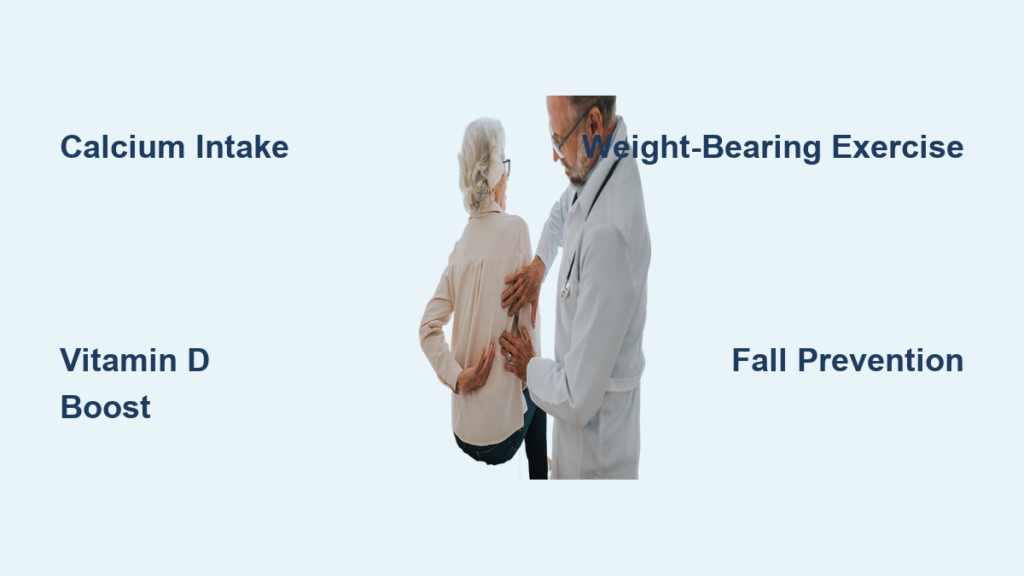
A simple sneeze that cracks a rib. A minor fall that shatters a hip. For older adults living with osteoporosis, these scenarios are not exaggerations. They are real, everyday risks. Osteoporosis weakens bones gradually, often without warning, until a sudden fracture reveals the damage underneath. Hip and spine fractures can rob older adults of their mobility and independence for good.
The encouraging truth is that bone loss is not an unstoppable force. With the right nutrition, smart exercise, and proper medical care, it is entirely possible to strengthen bones in elderly adults. This guide walks you through the exact steps to build stronger bones after 60, reduce fracture risk, and protect your independence for years to come.
Key Risk Factors for Weak Bones in Older Adults
Knowing your personal risk is the first step toward preventing fractures. While bone loss affects nearly everyone with age, certain groups face a much higher threat.
Who Faces the Highest Risk?
- Women over 50: About 1 in 5 women over 50 develop osteoporosis, compared to only 1 in 20 men. Women of White and Asian descent face the greatest risk.
- Age: Bone loss speeds up after 65 in both sexes. Women lose bone rapidly during menopause, while men experience a slower, steadier decline. By age 65 to 70, both sexes lose bone at similar rates.
- Body type: People with low body weight or a small frame start with less bone mass, making them more vulnerable to fragility.
- Family history: Genetics play a powerful role in bone density and fracture risk.
- Hormonal changes: Low estrogen during menopause and low testosterone in men directly weaken bone renewal.
Medical Conditions and Lifestyle Habits
Several health issues and daily habits can accelerate bone loss:
- Long-term use of corticosteroids
- Rheumatoid arthritis or hyperthyroidism
- Smoking
- Excessive alcohol consumption
- A sedentary lifestyle with little weight-bearing activity
Identifying these risks early gives you a chance to take action before a fracture occurs.
Diagnose Bone Loss Early With a DEXA Scan

Osteoporosis is called a “silent disease” because it rarely causes symptoms until a bone breaks. Early testing is the key to prevention.
When Should You Get Tested?
- Women over 65 should get a bone density scan regardless of risk level.
- Women under 65 with risk factors like early menopause, family history, or low body weight should also be tested.
- Men over 70 and younger men with risk factors (such as previous fractures or steroid use) should talk to their doctor about screening.
Understanding Your T-Score Results
A DEXA scan compares your bone density to that of a healthy young adult. The result, called a T-score, tells you where you stand:
- Normal: T-score of -1.0 or higher
- Osteopenia (low bone mass): T-score between -1.0 and -2.5
- Osteoporosis: T-score of -2.5 or lower
A low T-score is a warning sign, not a final verdict. With the right plan, you can stabilize or even improve your bone density.
Optimize Bone-Boosting Nutrition Every Day
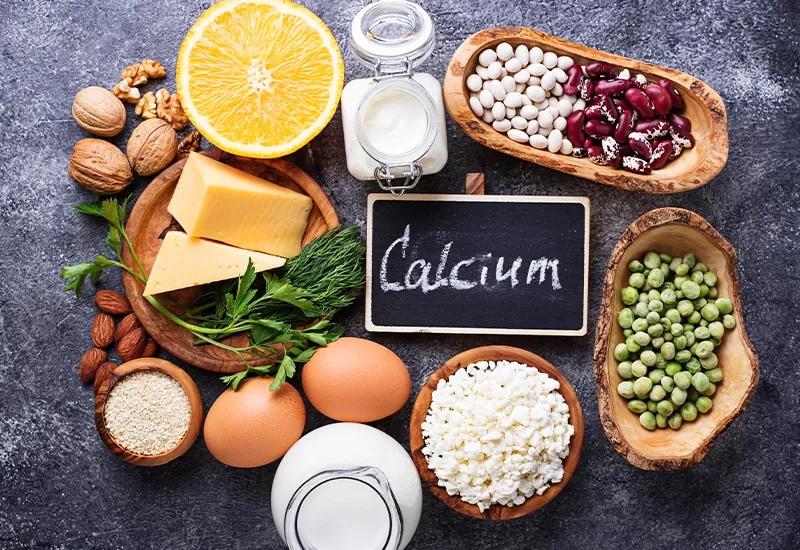
Diet forms the foundation of every bone-strengthening plan. Three nutrients matter most: calcium, vitamin D, and protein.
Get Enough Calcium Daily
Calcium is the main mineral in bone tissue. Without enough, your body pulls calcium from your bones, weakening them over time.
- Women over 50: 1,200 mg per day
- Men 50 to 70: 1,000 mg per day
- Men over 70: 1,200 mg per day
Top food sources:
– Low-fat dairy such as milk, yogurt, and cheese
– Fortified plant milks and juices
– Leafy greens including kale, bok choy, and collard greens
– Canned fish with bones such as sardines and salmon
Tip: Spread calcium across your meals. Your body absorbs only about 500 mg at a time.
Maximize Vitamin D Absorption
Vitamin D helps your body absorb calcium. Without it, even a perfect diet falls short.
- Aim for 800 to 1,000 IU daily, especially if you are over 65
- Get safe sunlight exposure when possible
- Ask your doctor to test your vitamin D level, since deficiency is very common in older adults
Note: Aging skin produces vitamin D less efficiently, so supplements are often necessary.
Prioritize High-Quality Protein
Protein makes up about half of bone volume and supports the muscles that protect your skeleton.
- Target 1.0 to 1.2 grams of protein per kilogram of body weight each day
- Include lean meats, eggs, dairy, beans, and tofu in your meals
Reassurance: High-protein diets do not harm bones. In fact, protein supports bone density when calcium intake is sufficient.
Build Stronger Bones With Targeted Exercise
Physical activity is one of the most powerful ways to strengthen bones in elderly adults. The right exercises stimulate bone growth and improve balance, which prevents falls.
Weight-Bearing Activities
Weight-bearing exercises force your bones to work against gravity, signaling them to grow denser.
Best options:
– Brisk walking for 30 minutes, 5 days a week
– Stair climbing
– Dancing
– Low-impact aerobics
Pro tip: Change your walking route or pace regularly to keep your bones adapting.
Resistance Training for Bone Density
Strength training builds both muscle and bone at the same time.
Effective 2 to 3 day per week routine:
– Bodyweight squats or leg presses
– Resistance band chest press
– Overhead shoulder press with light dumbbells
– Bicep curls and rows
Start with light resistance, focus on proper form, and increase intensity gradually.
Balance and Posture Exercises
Most fractures in older adults happen because of falls. Balance training lowers that risk significantly.
Try these simple moves daily:
– Tai chi (can reduce fall risk by up to 50%)
– Heel-to-toe walking along a counter
– Standing on one foot while holding a chair
– Gentle back extensions to support spinal health
Avoid forward bending such as toe touches and twisting motions like golf swings, since these can fracture weakened vertebrae.
Prevent Dangerous Falls at Home
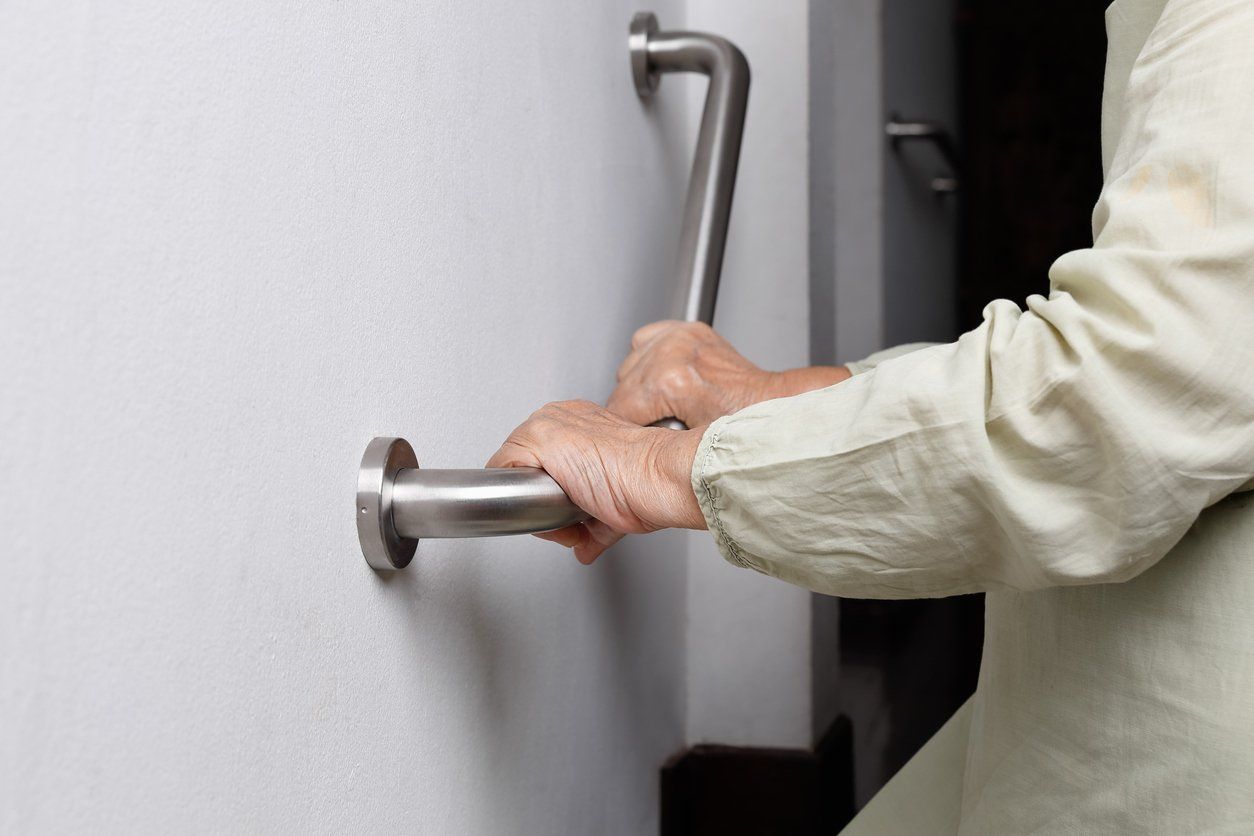
For someone with low bone density, a single fall can lead to a life-changing injury. Fall prevention is a critical part of bone care.
Simple Home Safety Upgrades
- Install grab bars in showers and near toilets
- Place non-slip mats in bathrooms and kitchens
- Add night lights in hallways and bedrooms
- Keep floors clear of clutter, rugs, and cords
- Make sure all stairs have sturdy railings
Daily Habits That Reduce Fall Risk
- Stand up slowly from sitting or lying positions
- Wear non-slip shoes indoors
- Use a cane or walker if you feel unsteady
- Review your medications with your doctor, since some cause dizziness
Fact: More than 90% of hip fractures are caused by falls. Prevention truly saves lives.
Consider Medications When Lifestyle Changes Are Not Enough
Sometimes nutrition and exercise are not enough. If you already have osteoporosis or a history of fractures, your doctor may recommend medication.
Drugs That Slow Bone Loss
These medications reduce how quickly your body breaks down bone:
- Bisphosphonates such as alendronate and risedronate
- RANKL blockers like denosumab, given by injection twice a year
- Calcitonin, which can also ease spinal fracture pain
- Estrogen or testosterone therapy for women and men with hormonal deficiencies
Drugs That Help Rebuild Bone
For severe osteoporosis, these treatments stimulate new bone formation:
- Teriparatide and abaloparatide, synthetic parathyroid hormones given by daily injection for up to 2 years
- Romosozumab, which blocks a protein that limits bone growth
Important: All of these medications require a prescription. Discuss the benefits and risks with your doctor.
Avoid Habits That Weaken Bones
Some everyday choices directly accelerate bone loss.
Quit Smoking
Smoking reduces blood flow to bones, slows bone formation, and lowers estrogen levels. Smokers consistently have lower bone density and higher fracture rates.
Limit Alcohol
Drinking more than 3 alcoholic beverages per day disrupts bone-building cells and raises your risk of falling.
Recommendation: No more than 1 drink per day for women and 2 drinks per day for men.
Monitor Progress and Stay Consistent
Bone health is a long-term investment. Tracking your results helps you stay on course.
Re-Test Bone Density Regularly
- Repeat a DEXA scan every 1 to 2 years if you have osteoporosis or take medication
- Stable or improving T-scores confirm that your plan is working
Stay Motivated for the Long Run
- Set small, specific goals like walking 20 minutes daily
- Join a senior fitness class or walking group for accountability
- Use a journal or app to log meals, exercise, and mood
Remember: Bone rebuilding takes time, but most people see real improvements within 6 to 12 months.
Frequently Asked Questions About Strengthening Bones in the Elderly
What is the fastest way to strengthen bones in elderly adults?
The fastest results come from combining three actions: eating 1,200 mg of calcium daily, getting enough vitamin D, and doing weight-bearing and resistance exercises several times per week. Together, these stimulate bone remodeling and slow further loss.
Can elderly people actually rebuild bone density?
Yes. While bone rebuilding takes longer in older adults, studies show that consistent exercise, proper nutrition, and medications (when needed) can improve bone density over 6 to 24 months.
Which exercises should seniors avoid with osteoporosis?
Avoid forward bending (like toe touches or sit-ups) and twisting movements (like golf swings). These put dangerous pressure on the spine and can cause vertebral fractures.
How much calcium and vitamin D do seniors need daily?
Most women over 50 and men over 70 need 1,200 mg of calcium daily. Adults over 65 should aim for 800 to 1,000 IU of vitamin D daily, often through supplements.
Are there medications that rebuild bone in seniors?
Yes. Teriparatide, abaloparatide, and romosozumab can actually stimulate new bone growth. These are reserved for severe osteoporosis and require a doctor’s prescription.
Can a fall really cause a hip fracture in older adults?
Unfortunately, yes. Over 90% of hip fractures are caused by falls, and people with osteoporosis are especially vulnerable. Fall prevention at home is just as important as nutrition and exercise.
Key Takeaways for Building Stronger Bones After 60
Strengthening your skeleton is one of the most powerful investments you can make in your long-term health. Focus on three core pillars: a calcium-rich diet with adequate vitamin D and protein, regular weight-bearing and resistance exercise, and consistent fall prevention at home. If you are at high risk or already have osteoporosis, talk to your doctor about whether medication is right for you.
Your next step is simple: schedule a bone density test if you are over 65 (or earlier if you have risk factors), review your diet against the guidelines above, and start one new weight-bearing activity this week. Stronger bones are within reach at any age.





