You’ve probably walked into a room and caught a faint, musty scent often called “old people smell.” It’s easy to assume poor hygiene is to blame, but that assumption is both incorrect and unfair. The distinct odor linked to aging is a natural biological process, not a sign of uncleanliness. At the heart of this phenomenon is a compound called 2-nonenal, which begins forming on the skin around age 40 and increases over time.
Unlike regular body odor caused by sweat, this scent is lipid-based, resistant to soap, and lingers on skin and fabrics. The good news? Science has identified solutions, including persimmon extract, that can neutralize up to 97% of the odor. In this guide, you’ll learn exactly why elderly individuals develop this scent, how it differs from everyday body odor, and what can be done to manage it effectively, without stigma or shame.
The Real Cause: 2-Nonenal Explained

What Is 2-Nonenal?
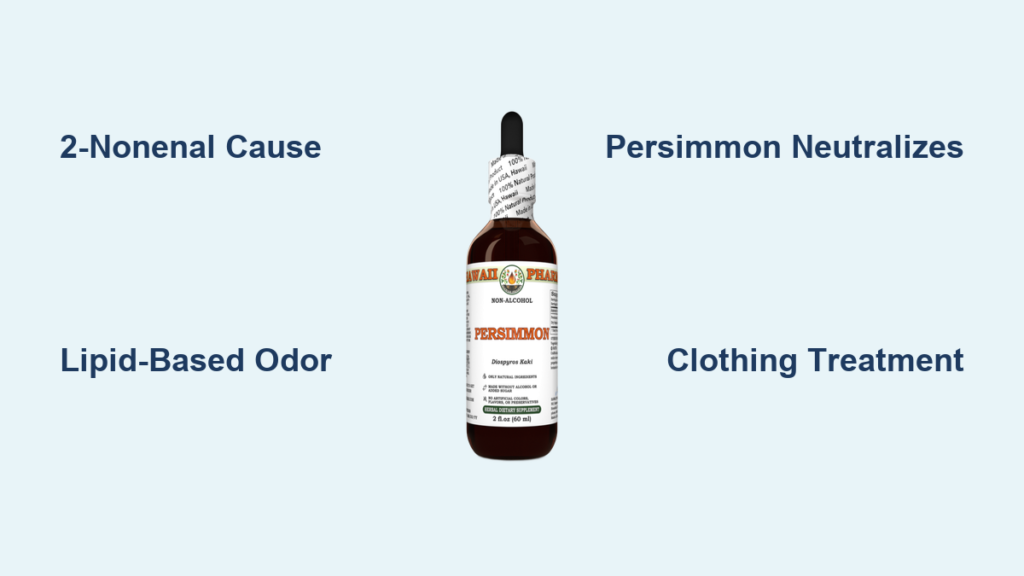
2-Nonenal is a volatile organic compound produced when fatty acids on the skin oxidize. It’s the primary chemical behind the scent commonly referred to as “old people smell.” Unlike sweat-based odors, nonenal is not water-soluble. It is an oily substance that resists removal by regular soap and water. First identified in Japanese research, this compound emerges as part of the natural aging process and is linked to changes in skin chemistry, not hygiene habits.
How Nonenal Forms on Aging Skin
Nonenal develops through a process called lipid peroxidation. Here’s how it happens:
- Sebaceous glands produce skin lipids (fats) to protect the outer layer.
- These lipids, especially omega-7 fatty acids, are exposed to oxygen in the air.
- With age, the skin’s natural antioxidants decline, allowing oxidation to accelerate.
- Oxidized fats break down into 2-nonenal, releasing a persistent, grassy-musty odor.
This process intensifies after 40, when antioxidant defenses weaken and skin regeneration slows. The result is a compound that sticks to skin and clothing, evading standard cleansing methods.
Age of Onset and Progression
When Does the Smell Start?
Nonenal production typically begins around age 40, though it may not be noticeable until later. This timing aligns with measurable declines in the skin’s antioxidant capacity. While some individuals detect subtle changes earlier, most report increased awareness in their 50s and 60s. Importantly, the odor develops gradually, often going unnoticed by the person producing it due to olfactory adaptation.
How the Odor Changes Over Time
As people age, nonenal concentration steadily increases and peaks in the 70s and 80s, becoming more detectable in close quarters. The scent doesn’t suddenly appear; it builds over decades. Factors like hormonal shifts, medication use, and reduced bathing frequency can amplify its presence, but the root cause remains biochemical: oxidized skin lipids.
Nonenal vs. Regular Body Odor

Key Differences in Origin
| Feature | Sweat-Based Odor | Nonenal-Based Odor |
|---|---|---|
| Source | Apocrine/eccrine sweat glands | Sebaceous (oil) glands |
| Composition | Water-soluble proteins and salts | Lipid-based (oil-soluble) |
| Formation | Bacterial breakdown of sweat | Oxidation of fatty acids |
| Removability | Washes away with soap | Resists conventional cleaning |
Sweat odor disappears with a shower. Nonenal does not.
Why Soap Fails Against Nonenal
Standard soaps are designed to lift water-soluble sweat and bacteria from the skin. But because nonenal is oil-based, it embeds into the skin’s surface and resists the surfactants in regular cleansers. Even vigorous scrubbing won’t eliminate it. Only products formulated to break down oxidized lipids can effectively neutralize the compound.
Gender Differences in Aging Odor
Women: Menopause and Body Odor
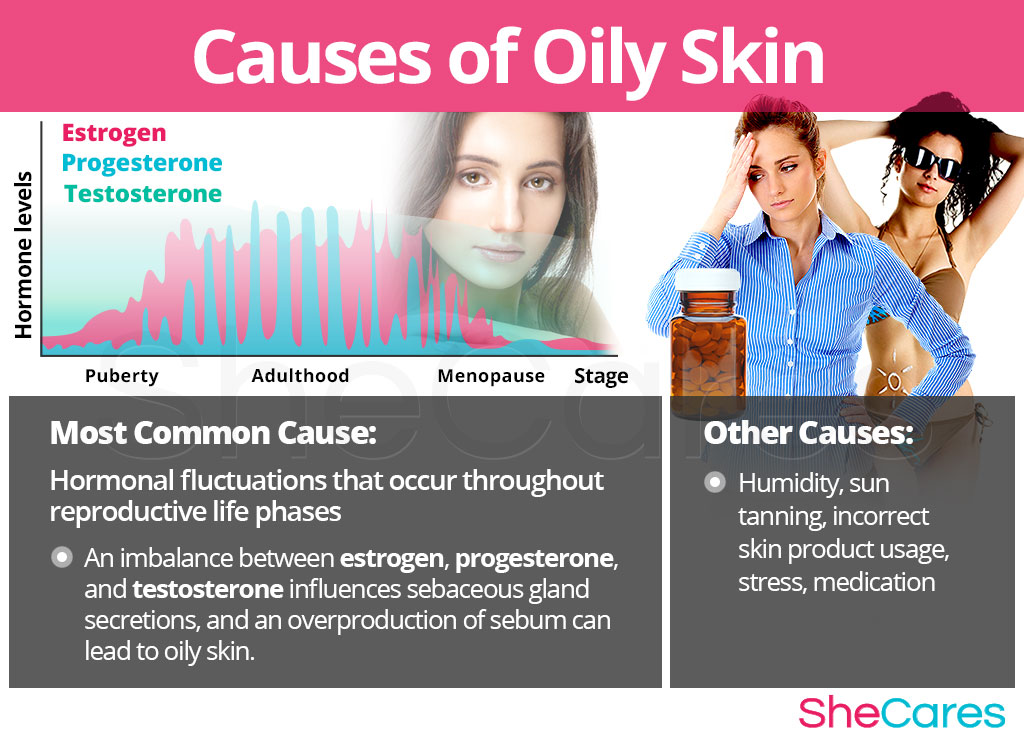
Menopause significantly impacts body chemistry. Hot flashes and night sweats increase skin moisture and lipid production, accelerating nonenal formation. Hormonal fluctuations also alter the skin microbiome, contributing to a dual odor effect combining sweat-based and lipid-based sources. Many women report sudden body odor changes during perimenopause, often mistaking them for hygiene issues when they are actually biochemical.
Men: Testosterone and Stronger Odor
A Swedish study found that middle-aged men often have the most intense body odor of any age group. Higher testosterone levels are linked to increased sebum (oil) production, which fuels nonenal development. Combined with stress and lifestyle factors, this can make aging odor more pronounced in men, even before old age.
Stress’s Role in Odor Production
Stress triggers physiological changes that worsen nonenal:
– Increases sebum production
– Elevates skin temperature
– Promotes oxidation of fatty acids
Both men and women experience heightened odor during chronic stress, making emotional well-being a key factor in managing aging scent.
Recognizing the Nonenal Scent
How to Identify the Odor
Nonenal has a distinct profile:
– Grassy (like cut hay)
– Greasy (similar to stale cooking oil)
– Musty (reminiscent of old books or damp wood)
It’s often described as “waxy” or “earthy.” The scent tends to concentrate around the neck, scalp, and behind the ears, areas rich in sebaceous glands.
Why You Can’t Smell It on Yourself
Olfactory fatigue makes it hard to detect your own long-term scent. Your nose adapts to constant odors, so nonenal becomes invisible to you but remains noticeable to others. A telltale sign is lingering smells on pillowcases, shirt collars, or furniture even after washing.
Why Nonenal Resists Cleaning
Chemical Resistance to Water
Because nonenal is lipid-soluble, it doesn’t dissolve in water. Regular showers may remove surface sweat and dirt, but the oxidized fatty acids remain embedded in the skin’s outer layer. This explains why someone can bathe daily and still carry the scent.
Ineffectiveness of Standard Products
Most deodorants and body washes target bacterial breakdown of sweat, not lipid oxidation. They may mask the smell temporarily with fragrance, but they don’t neutralize nonenal. Even antibacterial soaps fail because the issue isn’t microbes; it’s chemistry.
Impact on Clothing and Fabrics
How Nonenal Clings to Clothes
Nonenal binds tightly to natural fibers like cotton and wool. It resists standard detergents because:
– It’s not water-soluble
– It embeds into fabric fibers
– It reactivates with heat and moisture
Shirt collars, underarms, and pajamas often retain the odor long after washing.
Removing Nonenal From Fabrics
To eliminate the scent from clothing:
1. Pre-soak in white vinegar or baking soda for 30 minutes to 1 hour
2. Wash with an odor-neutralizing detergent
3. Add a persimmon-based fabric booster for best results
For persistent cases, repeat treatment or use specialized laundry additives designed to break down organic oils.
Cultural Views: Japan’s “Kareishu”
What Is Kareishu?
In Japan, age-related odor is known as kareishu, a recognized and openly discussed aspect of aging. Unlike in Western cultures, where the topic is often stigmatized, Japan treats kareishu as a natural biological change, similar to gray hair or wrinkles.
Medical Recognition in Japan
Japanese physicians and dermatologists are well-versed in nonenal. Research published in Anti-Aging Medicine journals confirms its presence and progression. The country has developed targeted skincare and laundry products specifically for kareishu, reflecting a proactive, science-based approach.
U.S. Awareness Gap
In contrast, nonenal remains largely unknown in American medical and public discourse. This lack of awareness contributes to misunderstanding and embarrassment. Increasing education could help reframe the conversation from shame to science.
Surprising Perception Studies
Is “Old People Smell” Actually Unpleasant?
Contrary to stereotypes, blind smell tests reveal the opposite. In a Swedish study, participants rated body odor from people over 75 as less intense and less unpleasant than that of middle-aged adults. The elderly scent was often described as neutral, mild, or even comforting.
Positive Emotional Associations
Some researchers suggest nonenal may trigger subconscious feelings of:
– Safety
– Familiarity
– Trust
In close relationships, the scent can become associated with grandparents, comfort, and home. One study even dubbed it “the scent of survival,” a biological signature of resilience and longevity.
Managing Aging Body Odor
Why Hygiene Alone Isn’t Enough
Daily bathing is essential for health, but it won’t stop nonenal. Since the compound forms through internal biochemical changes, external washing has limited effect. The solution lies not in scrubbing harder, but in using targeted chemistry.
The Persimmon Extract Breakthrough
Japanese persimmon extract, rich in tannins, has been scientifically proven to break down nonenal molecules. Unlike masking agents, it neutralizes the odor at the source. Products containing this extract eliminate up to 97% of nonenal instantly, according to clinical testing.
Proven Removal Methods
For the Body: Use Persimmon-Based Cleansers
To effectively remove nonenal from skin:
1. Switch to a soap with Japanese persimmon extract
2. Lather and leave on skin for 30 to 60 seconds
3. Rinse thoroughly
These cleansers dissolve the lipid compound without stripping natural moisture, making them ideal for sensitive, aging skin.
For Clothing: Specialized Treatment Needed
Standard laundry routines fail. Instead:
1. Pre-soak in vinegar (1 cup per load)
2. Wash with enzyme-based or persimmon-infused detergent
3. Air-dry in sunlight if possible (UV helps break down organic compounds)
Repeat if necessary, especially for heavily soiled items.
Reframing the Narrative
It’s Not a Flaw, It’s a Signature
The phrase “old people smell” carries stigma, but the science tells a different story. Nonenal is not a sign of neglect. It is a biological marker of time, experience, and survival. As one researcher put it: “It’s not just a smell. It’s a signature.”
Promoting Dignity and Confidence
Understanding the science helps reduce shame. Older adults can maintain confidence by:
– Using effective, targeted products
– Knowing the odor is normal and natural
– Sharing knowledge with caregivers and family
Education empowers people to manage aging odor with dignity.
A Positive View of Aging
Rather than hiding this aspect of aging, we can normalize it, like graying hair or joint stiffness. With the right tools and mindset, aging doesn’t have to come with embarrassment. It can come with freshness, confidence, and pride.
Frequently Asked Questions About Why Elderly People Smell
At What Age Does Nonenal Start Appearing?
Nonenal typically begins forming around age 40, when the skin’s antioxidant defenses start to weaken. This allows omega-7 fatty acids to oxidize and produce the characteristic scent, with intensity often peaking in the 70s and 80s.
Is “Old People Smell” a Sign of Poor Hygiene?
No. The odor is caused by oxidized skin lipids, not dirt or sweat. Even people with excellent hygiene produce nonenal because it forms through internal biochemical changes that regular bathing cannot prevent.
Why Does Soap Not Remove Nonenal?
Standard soap is designed to dissolve water-based sweat and bacteria. Since nonenal is oil-based and lipid-soluble, it clings to the skin and resists conventional cleansers, making it nearly impossible to wash away with normal products.
How Can You Recognize Nonenal Odor?
Nonenal smells grassy, greasy, and musty, often compared to old books or stale oil. It lingers on pillowcases and shirt collars and tends to concentrate around the neck, scalp, and behind the ears, though the person producing it usually cannot detect it.
Does Menopause Affect Aging Odor in Women?
Yes. Hot flashes and night sweats during menopause increase skin moisture and fatty acid production, accelerating nonenal formation. Hormonal changes also alter the skin microbiome, often creating a combination of sweat-based and lipid-based odor.
How Does Persimmon Extract Eliminate Nonenal?
Persimmon extract contains tannins that chemically dissolve nonenal molecules, neutralizing the odor at its source. Soaps with persimmon extract have been shown to eliminate up to 97% of nonenal instantly, far outperforming conventional soaps.
Can Aging Odor Be Completely Eliminated?
With current products, it cannot be fully eliminated. However, persimmon extract solutions can neutralize up to 97% of nonenal, offering significant and lasting improvement for most users.
Key Takeaways on Why the Elderly Smell
The scent associated with aging is real, scientifically documented, and caused by 2-nonenal, a lipid-based compound that forms when skin fats oxidize after age 40. It is not a hygiene issue and cannot be removed with standard soap, which is why the stigma surrounding it is both inaccurate and unfair.
The most effective solution identified by science is persimmon extract, which dissolves nonenal at the molecular level and can eliminate up to 97% of the odor. Combined with proper fabric care, including vinegar pre-soaks and persimmon-based detergents, older adults can manage this natural process with confidence.
Your next step: share this information with someone who might benefit, because understanding the science behind aging odor is the first step toward replacing stigma with dignity and compassion.