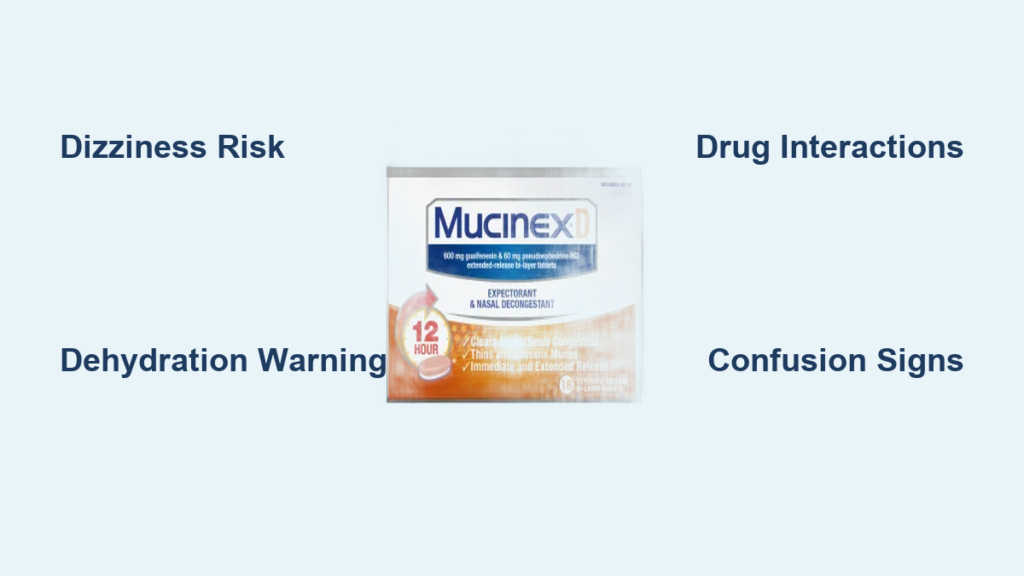
Mucinex is a widely used over-the-counter medication containing guaifenesin, an expectorant that helps loosen chest and throat mucus to make coughs more productive. While generally safe for most adults, mucinex side effects elderly individuals may experience can differ significantly due to age-related changes in metabolism, kidney function, and overall health. Older adults often take multiple medications, which increases the risk of interactions and adverse reactions, even with seemingly mild drugs like Mucinex.
Understanding the potential side effects of Mucinex in seniors is crucial for safe use. Many elderly patients or caregivers assume that because a drug is available without prescription, it carries little risk. However, this is not always true. In older adults, even minor side effects such as dizziness or dehydration can lead to serious consequences like falls or hospitalization. This guide outlines the most common and concerning mucinex side effects elderly users should watch for, when to seek medical help, and safer alternatives if needed.
Common Mucinex Side Effects in Elderly Users

While Mucinex is generally well-tolerated, older adults may be more sensitive to its effects due to slower drug clearance and reduced organ function.
Mild Reactions to Watch For
Common mild side effects include:
- Dizziness or lightheadedness, especially when standing up quickly
- Drowsiness or fatigue, which can increase fall risk
- Nausea or stomach upset that may affect appetite or hydration
- Headache, often mild but persistent in some cases
- Vomiting or diarrhea, which can lead to dehydration if unmanaged
These symptoms are typically short-lived but should be monitored closely in older adults, particularly those with pre-existing conditions like heart disease, kidney issues, or cognitive impairment.
Dehydration Risk in Seniors
Guaifenesin increases mucus production and encourages fluid movement in the lungs, which requires adequate hydration. Many elderly individuals already have reduced thirst sensation or limit fluids due to incontinence concerns. This raises the risk of dehydration, a serious concern that can cause confusion, low blood pressure, and urinary tract infections.
Pro Tip: Encourage at least 6 to 8 glasses of water daily when taking Mucinex, unless fluid-restricted by a doctor.
Serious Side Effects Requiring Immediate Attention

Though rare, some side effects demand immediate medical evaluation, especially in older patients.
Allergic Reactions to Guaifenesin
Signs of an allergic response include:
- Rash, hives, or itching
- Swelling of the face, lips, or tongue
- Difficulty breathing or wheezing
Allergies to guaifenesin are uncommon but possible. Immediate treatment is essential to prevent anaphylaxis, particularly in frail seniors.
Severe Dizziness or Fainting
If an elderly person experiences fainting spells or vertigo after taking Mucinex, it could signal low blood pressure or an interaction with other medications such as blood pressure drugs. Stop use and consult a healthcare provider promptly.
Unexplained Confusion or Agitation
Sudden mental changes like confusion, restlessness, or hallucinations are not typical side effects of guaifenesin. However, they may occur if there is an underlying interaction or undiagnosed condition. These symptoms should never be ignored in older adults.
Drug Interactions Common in the Elderly
Polypharmacy, defined as the use of five or more medications, is common in seniors and increases the risk of harmful interactions.
Medications That May Interact with Mucinex
Common interacting drugs include:
- Blood pressure medications, where dizziness may worsen when combined with Mucinex
- Diuretics (water pills), which increase dehydration risk due to fluid loss
- Sedatives or sleep aids that may intensify drowsiness
- Anticholinergic drugs for bladder control or allergies, which can dry secretions too much and counteract Mucinex
Expert Note: Always review all current medications with a pharmacist or doctor before starting Mucinex.
Extended-Release Formulations and Extra Caution
Many Mucinex products, including Mucinex D and Mucinex DM, contain additional active ingredients such as dextromethorphan (cough suppressant) or pseudoephedrine (decongestant). These ingredients pose higher risks for seniors.
- Dextromethorphan can cause confusion, dizziness, or serotonin syndrome when combined with antidepressants.
- Pseudoephedrine may raise blood pressure or cause urinary retention, especially dangerous for men with prostate issues.
When Elderly Patients Should Avoid Mucinex
Not all elderly patients should use Mucinex, even for short-term relief.
Pre-Existing Conditions That Warrant Avoidance
Conditions requiring caution include:
- Severe kidney disease, since guaifenesin is cleared through the kidneys and impaired function increases buildup risk
- Uncontrolled high blood pressure, especially if using formulations with decongestants
- Glaucoma or enlarged prostate, due to risks from combination ingredients
- History of falls or balance issues, where dizziness may increase fall risk
If any of these conditions apply, discuss safer alternatives with a healthcare provider.
Safer Alternatives for Symptom Relief in Seniors
For elderly individuals who should not take Mucinex, several effective and lower-risk options exist.
Non-Drug Approaches
Consider these drug-free methods:
- Humidifiers, which add moist air to loosen mucus naturally
- Hydration with warm fluids like herbal teas, broths, or water to thin secretions
- Elevated sleeping position to reduce nighttime coughing
- Saline nasal sprays to help clear congestion without systemic effects
These methods are especially beneficial for seniors looking to avoid medication-related side effects.
Simpler Medication Options
Lower-risk medication choices include:
- Plain guaifenesin at low dose, if approved by a doctor, starting with the lowest effective dose
- Guaifenesin syrup over tablets, which is easier to swallow and dose accurately
Avoid multi-symptom products unless symptoms clearly match the formulation.
Dosage Guidelines for Older Adults
Age-related changes affect how drugs are processed, so dosing must be adjusted carefully.
Recommended Maximum Daily Dose
Standard dosing recommendations are:
- Immediate-release: 600 mg every 4 hours, not exceeding 2,400 mg per day
- Extended-release: 1,200 mg every 12 hours, not exceeding 2,400 mg per day
Warning: Do not exceed recommended doses. Overuse can increase side effect risks without improving outcomes.
Timing and Monitoring Tips
Follow these practical tips:
- Take Mucinex with food if stomach upset occurs
- Space doses evenly throughout waking hours
- Track symptoms daily to assess effectiveness
- Discontinue after 7 days unless directed otherwise by a doctor
Seniors or caregivers should keep a simple log to share with healthcare providers if concerns arise.
Recognizing When to Seek Medical Help
Knowing when to call a doctor can prevent complications.
Red Flags That Require Medical Attention
Watch for these warning signs:
- Chest pain or rapid heartbeat
- Difficulty breathing or wheezing
- Severe dizziness or fainting
- Persistent vomiting or inability to keep fluids down
- Mental status changes such as confusion or agitation
Even mild symptoms lasting more than a week warrant evaluation, as they may indicate an underlying infection or chronic condition.
Caregiver Guidance and Best Practices
Caring for an older adult using Mucinex involves vigilance and communication.
What Caregivers Should Do
Follow these essential steps:
- Read all labels carefully and avoid combination products unless necessary
- Check for duplicate ingredients in other cold medicines
- Monitor for new or worsening symptoms daily
- Encourage fluid intake without overburdening the bladder
- Report any side effects to the primary care provider
Pro Tip: Use a pill organizer and set reminders to avoid missed or double doses.
Questions to Ask the Doctor
Prepare these questions before appointments:
- Is Mucinex safe with my current medications?
- Could my symptoms be caused by something else?
- Are there non-drug treatments I should try first?
- Should I avoid certain types of Mucinex, such as DM or D versions?
Being proactive helps ensure safe and effective symptom management.
Frequently Asked Questions About Mucinex Side Effects in Elderly Users
Is Mucinex Safe for Elderly People with Kidney Problems?
Mucinex may not be safe for seniors with severe kidney disease. Guaifenesin is cleared through the kidneys, and impaired function can cause the drug to build up in the body. This increases the risk of side effects like dizziness, confusion, and dehydration. Always consult a doctor before use if kidney function is reduced.
Can Mucinex Cause Confusion in Older Adults?
Mucinex alone rarely causes confusion, but combination products containing dextromethorphan or pseudoephedrine can. Confusion may also result from dehydration or drug interactions. If an elderly person experiences sudden mental changes while taking Mucinex, seek medical evaluation promptly to rule out serious causes.
How Long Can Seniors Safely Take Mucinex?
Seniors should not take Mucinex for longer than 7 days without medical supervision. Prolonged use increases the risk of side effects and may mask underlying conditions. If symptoms persist beyond a week, schedule a doctor visit to explore alternative treatments or investigate the root cause.
What Is the Safest Mucinex Product for the Elderly?
The safest option is plain guaifenesin without added ingredients like dextromethorphan or pseudoephedrine. Single-ingredient products carry fewer interaction risks and are easier to monitor. Always check labels carefully and avoid multi-symptom formulas unless specifically directed by a healthcare provider.
Can Mucinex Interact with Blood Pressure Medications?
Yes, Mucinex can interact with blood pressure medications, especially combination products containing pseudoephedrine. Decongestants can raise blood pressure and counteract the effects of antihypertensive drugs. Even plain guaifenesin may increase dizziness when combined with blood pressure medications, raising fall risk in seniors.
Should Elderly Patients Drink More Water While Taking Mucinex?
Yes, increased fluid intake is essential when taking Mucinex. Guaifenesin works by loosening mucus, and adequate hydration supports this process. Seniors should aim for 6 to 8 glasses of water daily unless fluid-restricted by a doctor. Proper hydration also helps prevent dehydration-related side effects.
Key Takeaways for Managing Mucinex Side Effects in Elderly Users
Mucinex can offer relief from chest congestion, but the side effects elderly users face require careful consideration. From dizziness and dehydration to dangerous drug interactions, the risks are real, even with over-the-counter use. Recognizing warning signs early and choosing safer alternatives when appropriate can prevent serious complications.
The most important steps include consulting a healthcare provider before use, monitoring for adverse reactions, and prioritizing hydration throughout treatment. Caregivers play a vital role by tracking symptoms, managing medication schedules, and communicating concerns to medical professionals. When in doubt, simpler formulations and non-drug approaches often provide effective relief with fewer risks for older adults.