Watching an elderly loved one push food around the plate can feel heartbreaking. You may notice smaller portions, skipped meals, or a sudden disinterest in favorite dishes. These signs of appetite loss are common among seniors but deeply worrying for families.
The solution is not force or pressure. It is about creating conditions where eating feels natural, enjoyable, and nourishing. This guide shares practical strategies drawn from real caregiver experiences. You will learn how to support better nutrition through small meals, sensory appeal, gentle activity, and emotional connection.
Offer Small, Frequent Meals Throughout the Day
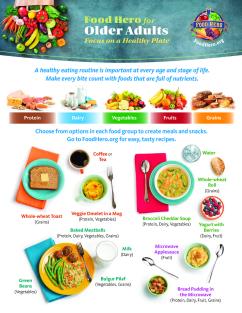
Large plates can overwhelm seniors who feel full quickly or have digestive sensitivity. Switching to five or six smaller meals works better than the traditional three-meal structure.
Why Smaller Portions Work Better
Mini-meals reduce the mental and physical burden of eating. A full plate can discourage someone with reduced appetite before they even pick up a fork. Frequent small servings keep energy and nutrients flowing without discomfort.
Sample Daily Eating Schedule
Here is a simple rhythm many caregivers find effective:
• Breakfast: half a banana with one tablespoon of peanut butter
• Mid-morning: smoothie with protein powder and whole milk
• Lunch: half a sandwich with turkey and cheese plus a quarter cup of soup
• Afternoon: yogurt topped with granola
• Dinner: three ounces of baked chicken with two tablespoons of mashed potatoes
• Evening: warm milk with honey and a slice of toast
This pattern delivers steady calories and protein without overwhelming the appetite.
Boost Nutritional Density in Every Bite

When food intake drops, every bite must count. Focus on calorie-rich and protein-packed foods that support strength and immunity.
Add Protein to Familiar Foods
You can sneak extra protein into everyday meals with simple additions:
• Stir protein powder into oatmeal, soups, or mashed potatoes
• Mix powdered milk into cereals or pancake batter
• Blend nut butter into smoothies or spread on apple slices
Even one tablespoon of peanut butter provides roughly 8 grams of protein and 90 calories. It is efficient, familiar, and easy to serve.
Use High-Calorie Liquids
Liquid calories are often easier to consume than solids. Consider these options:
• Whole milk instead of skim
• Cream-based soups
• Smoothies made with banana, oats, nut butter, and protein powder
One caregiver shared a doctor-approved recipe: banana, peanut butter, oats, protein powder, and whole milk blended together. It delivers over 500 calories in a single glass and goes down easily.
Create a Pleasant Mealtime Environment
:max_bytes(150000):strip_icc()/BHG-Spring-Tabletop-Design-74wCN-7jqqF9tYsp22QlxT-f046bfb4fe7c47748fff08b505e89bbf.jpg)
Appetite is influenced by mood, surroundings, and routine. Transforming meals into a positive experience can spark renewed interest in food.
Set a Welcoming Table
Visual appeal matters, even when hunger is low. Try these simple touches:
• Use colorful plates and placemats
• Add a small flower or flameless candle for warmth
• Play soft background music from their younger years
A bright, well-set table can stimulate interest before the first bite is taken.
Share Meals Together When Possible
Companionship provides gentle encouragement and reduces isolation. Sitting together at mealtime models eating behavior and creates connection. Talking, laughing, or reminiscing during meals turns eating from a task into a shared moment of joy.
Adjust Food Texture and Flavor Preferences

Changes in taste, smell, or dental health can make food unappealing. Tailoring meals to sensory needs helps overcome resistance.
Cater to Texture Needs
Some seniors avoid food because chewing or swallowing feels difficult. Offer alternatives based on what they can manage:
• Soft options: scrambled eggs, mashed sweet potatoes, cottage cheese
• Smooth options: smoothies, yogurt, pudding, blended soups
• Crunchy options (only if safe): melba toast, crackers
Always