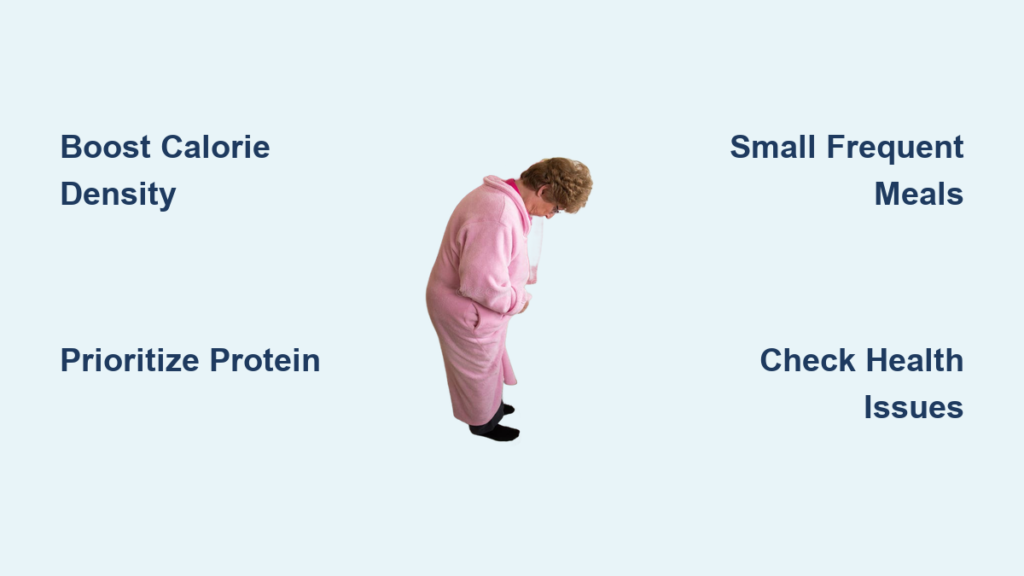
Weight loss and reduced appetite affect many older women, often leading to muscle weakness, fatigue, and a higher risk of falls. When an elderly woman becomes underweight, her body loses the reserves needed to fight illness and maintain independence. The solution is not simply eating more junk food, but choosing nutrient-dense, easy-to-consume meals that deliver calories and protein in every bite. This guide provides actionable strategies to help elderly women gain weight safely and sustainably.
You will learn how to identify hidden barriers to eating, enhance meals with calorie boosters, and create supportive habits that restore strength and energy. Whether you are a caregiver or a senior yourself, these evidence-based approaches can make healthy weight gain achievable without overwhelming the appetite or digestive system.
Identify Underlying Health Issues Before Changing the Diet

Before adjusting meals, it is essential to rule out medical or emotional causes of poor appetite and weight loss.
Rule Out Chronic Medical Conditions
Illnesses such as heart failure, cancer, diabetes, and thyroid disorders can suppress appetite while increasing the body’s energy demands. Digestive problems like gastritis or malabsorption may prevent proper nutrient uptake even when food is consumed. A healthcare provider can run tests to identify these conditions and adjust treatment plans accordingly.
Review Medication Side Effects
Many medications prescribed to seniors, including diuretics, antidepressants, and blood pressure drugs, can reduce appetite or alter the sense of taste. Review all current medications with a doctor or pharmacist to determine if any are contributing to low food intake. Sometimes a dosage change or alternative prescription can restore interest in eating.
Evaluate Dental and Swallowing Problems
Tooth pain, ill-fitting dentures, dry mouth, or dysphagia make eating uncomfortable and often go unreported. These issues significantly impact nutrition because seniors may avoid certain textures without explaining why. A dental exam or evaluation by a speech-language pathologist can diagnose and address these concerns.
Address Mental Health Concerns
Depression, loneliness, and anxiety are strongly linked to appetite loss in older adults. Social isolation, especially after losing a spouse or relocating, can reduce interest in cooking and eating. Screening for depression and encouraging shared meals can help restore motivation to eat regularly.
Make Meals Appealing and Easy to Eat
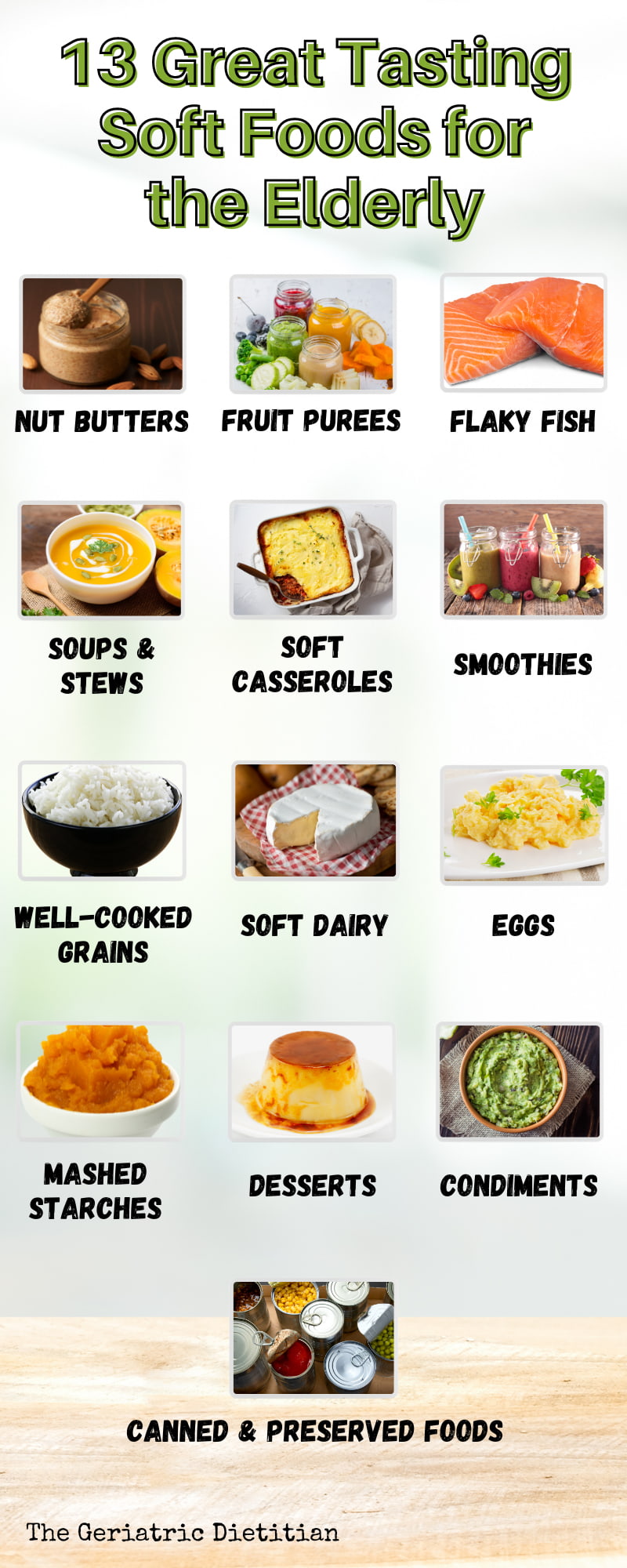
Food that looks attractive and requires minimal effort to consume encourages consistent intake throughout the day.
Choose Soft, Flavorful Foods
Focus on textures that require little chewing, such as mashed sweet potatoes, scrambled eggs with cheese, ground turkey patties, oatmeal with nut butter, and smoothies made with banana and yogurt. Enhance flavor with herbs like basil or oregano, mild spices, or savory sauces. Avoid overly salty or bitter foods that may taste unpleasant to aging taste buds.
Serve Smaller, Frequent Meals
Large portions can feel overwhelming and discourage eating. Instead, offer five to six small meals or snacks daily. This approach reduces the sensation of fullness while steadily increasing total calorie intake over time.
Sample Mini-Meal Plan:
– Breakfast: Greek yogurt with honey and granola
– Mid-morning: Banana with almond butter
– Lunch: Creamy tomato soup with grilled cheese fingers
– Afternoon: Cottage cheese with pineapple
– Dinner: Baked salmon with mashed potatoes
– Evening: Warm milk with a peanut butter sandwich
Create a Positive Eating Environment
Dining should feel relaxing and inviting. Use brightly colored plates to improve food visibility, minimize distractions like television, and play soft background music if it encourages relaxation. Whenever possible, dine together, because shared meals naturally boost appetite. Avoid pressuring or nagging, which creates negative associations with food.
Boost Calories and Protein in Every Bite
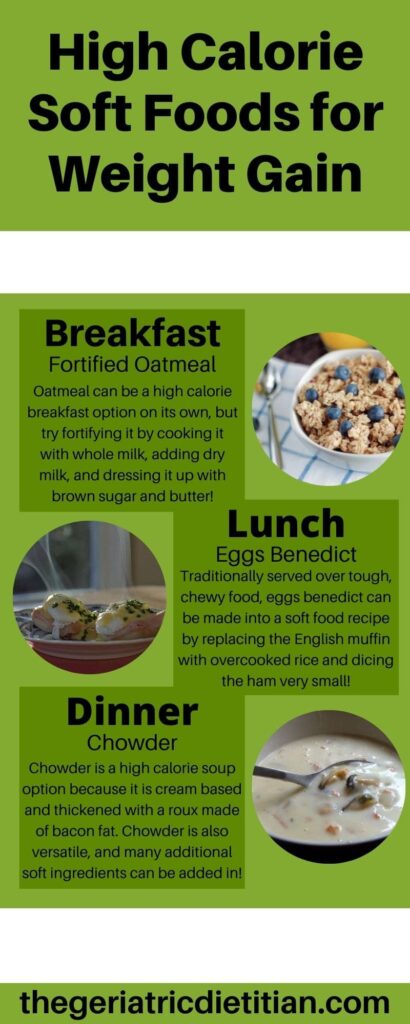
Elderly women need more protein and energy to maintain muscle and strength, yet often cannot eat large volumes. The solution is to pack more nutrition into smaller portions.
Add Calorie Boosters to Everyday Foods
Incorporate high-energy ingredients without increasing portion size. Stir one to two teaspoons of olive oil into soups or mashed vegetables, mix avocado into scrambled eggs, blend nut butter into smoothies or oatmeal, and use whole milk instead of skim in cereals and coffee. These small changes add 50 to 150 extra calories per meal with minimal effort.
Prioritize High-Protein Options
Muscle preservation is critical for mobility and fall prevention. Include protein at every meal through soft-boiled or scrambled eggs, Greek yogurt or skyr, tuna salad with mayo on toast, lentil soup with cheese, and protein shakes made with whey or plant-based powder. Aim for 1.0 to 1.2 grams of protein per kilogram of body weight daily, or higher if active or recovering from illness.
Use Nutrient-Dense Snacks
Choose snacks that deliver both calories and nutrients. Good options include trail mix with nuts, seeds, and dried fruit, hard-boiled eggs with salt and pepper, cheese and whole-grain crackers, smoothies with banana, milk, peanut butter, and protein powder, and applesauce mixed with cottage cheese. Keep snacks visible and within reach on the coffee table or bedside stand to encourage grazing throughout the day.
Consider Oral Supplements When Food Alone Is Not Enough

When regular meals do not provide sufficient nutrition, oral supplements can bridge the gap.
Choose the Right Supplement
Popular options include Ensure High Protein, Boost Max, Orgain Complete Nutrition for plant-based needs, and Fortisip, which is pharmacist-recommended in some countries. Look for products containing at least 15 to 20 grams of protein and 300 or more calories per serving.
Time Supplements Wisely
Drink supplements between meals rather than right before, so they do not reduce appetite for solid food. A bedtime shake provides extra calories overnight when metabolism naturally slows.
Consult a Professional First
Not all supplements are safe for individuals with kidney disease, diabetes, or heart conditions. Always check with a doctor or dietitian before starting a supplement to avoid interactions or over-supplementation.
Monitor Progress and Adjust the Approach
Tracking helps determine what is working and when to change tactics.
Weigh Weekly
Use the same scale at the same time of day, such as morning after using the bathroom. Track trends over weeks rather than reacting to daily fluctuations. A gain of 0.5 to 1 pound per week is realistic and safe for most elderly women.
Keep a Simple Food Log
Note the types and amounts of food consumed, times of day eaten, appetite level rated as low, medium, or good, and any symptoms like nausea, fullness, or reflux. This log helps identify patterns and provides valuable information to share with healthcare providers.
Adjust Based on Response
If weight stalls, add another calorie booster such as cream to coffee, switch protein sources if dairy causes bloating, or try a different supplement flavor or brand. If digestive issues arise, slow down the changes and increase fluids and fiber gradually.
Prevent Muscle Loss with Light Activity
Gaining weight is not only about adding fat; building and maintaining muscle is equally important.
Encourage Gentle Exercise
Even light activity supports muscle retention. Chair-based strength exercises like arm lifts and leg extensions, short walks of 10 to 15 minutes twice daily, and resistance bands or light hand weights all help. Strength training, even at minimal levels, signals the body to use protein for muscle rather than just storage.
Pair Protein with Movement
Eating protein shortly after activity enhances muscle synthesis. A small glass of milk or a yogurt after a short walk is a simple way to combine nutrition and movement. Ask a physical therapist to design a safe routine tailored to the individual’s mobility level.
Involve the Senior in Meal Planning and Preparation
Engagement increases compliance and enjoyment around food.
Include in Meal Planning
Ask about favorite childhood foods, cultural dishes, or nostalgic flavors. Honoring taste memories can reignite interest in eating even when preferences have shifted over time.
Invite Participation in Cooking
Simple tasks like stirring, spreading, or setting the table promote connection to food. Pre-chopped ingredients or slow-cooker recipes make involvement easier for those with limited energy or mobility.
Celebrate Small Wins
Praise finishing a meal, trying a new food, or gaining a pound. Positive reinforcement builds confidence and motivation. Avoid criticism or comparisons, and focus on progress rather than perfection.
Know When to Seek Professional Help
Despite best efforts, some situations require expert intervention.
Signs to Watch For
Contact a healthcare provider if the elderly woman loses more than 5 percent of body weight in one to three months, refuses most meals for several days, shows confusion, extreme fatigue, or swelling, or has persistent nausea, vomiting, or diarrhea. These signs may indicate malnutrition or serious underlying illness.
Get a Dietitian Referral
A registered dietitian, especially one specializing in geriatrics, can calculate exact calorie and protein needs, create a personalized meal plan, recommend safe supplements, and suggest texture modifications such as pureed or thickened foods. Many insurance plans cover nutrition counseling, so ask a doctor for a referral.
Frequently Asked Questions About Weight Gain for Elderly Women
What Is the Safest Rate of Weight Gain for an Elderly Woman?
A gain of 0.5 to 1 pound per week is considered safe and sustainable. Faster weight gain often comes from unhealthy sources and may strain the digestive system or worsen existing health conditions.
How Much Protein Does an Elderly Woman Need to Gain Weight?
Most elderly women benefit from 1.0 to 1.2 grams of protein per kilogram of body weight daily. Active individuals or those recovering from illness may need slightly more, though kidney function should be considered.
Can Supplements Replace Regular Meals for Elderly Women?
Supplements are meant to complement meals, not replace them. Whole foods provide fiber, phytonutrients, and variety that supplements cannot fully replicate. Use supplements to fill gaps rather than substitute for balanced eating.
What Foods Help Elderly Women Gain Weight Quickly?
Nutrient-dense options include Greek yogurt, nut butters, whole milk, avocados, cheese, eggs, salmon, and protein smoothies. These foods deliver high calories and protein in small, easy-to-eat portions.
When Should a Caregiver Worry About Weight Loss in an Elderly Woman?
Worry is warranted if weight loss exceeds 5 percent of body weight within one to three months, meals are consistently refused, or signs of malnutrition appear such as confusion, weakness, or slow wound healing. Professional evaluation is essential in these cases.
Key Takeaways for Helping Elderly Women Gain Weight Safely
Healthy weight gain for elderly women is a gradual process built on consistency, compassion, and customization. Identifying underlying health issues, enhancing meal appeal, and boosting calories and protein in every bite form the foundation of any successful plan. Light physical activity paired with protein supports muscle preservation, while professional guidance ensures safety for those with chronic conditions.
Be patient with the process, as results may take weeks to appear. Stay flexible by adjusting foods and routines based on tolerance and preference, and always prioritize nutrient-rich choices over empty calories. Most importantly, keep mealtime social and enjoyable, because shared meals improve both mental health and food intake. With the right strategies, even the most reluctant eater can restore strength, energy, and independence one nourishing meal at a time.