
Overactive bladder disrupts daily life for millions of seniors, causing sudden urges, frequent bathroom trips, and embarrassing leaks. Gemtesa (vibegron) has become a preferred treatment because it works differently from older bladder medications, offering relief without the cognitive risks that concern many families. Clinical studies confirm that Gemtesa performs equally well in patients aged 65 and older as it does in younger adults, with no major safety differences between age groups. This matters enormously for seniors managing multiple prescriptions, memory concerns, or heart conditions.
Below, you’ll find a detailed breakdown of Gemtesa side effects in elderly patients, including which reactions are most common, which warning signs demand immediate attention, and how caregivers can support safe use. The information draws directly from clinical trial data and prescribing guidelines to help you make informed decisions.
Most Common Gemtesa Side Effects in Older Adults
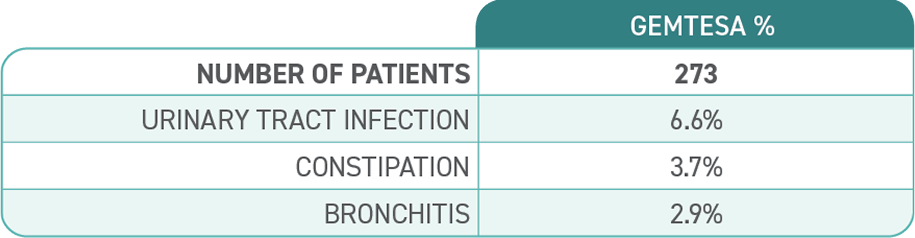
Gemtesa generally causes mild to moderate reactions in seniors, with symptoms that often resemble everyday illnesses. The most frequently reported issues during clinical trials occurred in at least 2% of patients aged 65 and older.
Frequently Reported Reactions
The following side effects appeared most often in older adults taking Gemtesa:
- Headache
- Urinary tract infection (UTI)
- Nasopharyngitis (common cold symptoms)
- Diarrhea
- Nausea
- Upper respiratory tract infection
UTIs deserve special attention because incontinence itself increases infection risk, making it difficult to determine whether the drug or the underlying condition causes the issue. Regardless of origin, any UTI in an elderly patient warrants prompt evaluation.
Additional Reactions With Long-Term Use
Studies tracking patients for up to 52 weeks revealed two more side effects occurring above the 2% threshold:
- Constipation
- Bronchitis
Constipation requires close monitoring in seniors with existing gastrointestinal issues, since it can quickly progress to more serious complications. Bronchitis, though uncommon, should prompt respiratory evaluation in patients with preexisting lung conditions.
Why These Side Effects Matter More in Seniors
Minor symptoms can create major problems for older adults. Diarrhea may trigger dehydration or dangerous electrolyte imbalances. Nausea often reduces appetite, contributing to malnutrition over time. Recurrent UTIs can escalate into kidney infections or sepsis if left untreated.
Despite these concerns, discontinuation rates remain remarkably low. Only 1.6% of patients aged 65 and older stopped treatment due to side effects, and just 4% of those aged 75 and above discontinued. This suggests most reactions stay manageable without sacrificing treatment benefits.
Cardiovascular Safety Profile in Elderly Patients
Heart health ranks among the top concerns when prescribing any medication to seniors. Gemtesa distinguishes itself through a neutral effect on blood pressure, a critical advantage over other overactive bladder treatments.
No Clinically Significant Blood Pressure Changes
A 4-week study with patients averaging 59 years of age (35% with baseline hypertension) showed that Gemtesa 75 mg daily produced no meaningful increase in systolic or diastolic readings. Blood pressure remained stable even among participants already taking antihypertensive medications.
This stability extends to the oldest patients. In adults aged 75 and above, hypertension occurred in just 1.3% of Gemtesa users compared to 3.3% on placebo. Increased blood pressure appeared in 0% of Gemtesa patients versus 1.7% on placebo, suggesting potential protective effects compared to no treatment.
Real-World Evidence in High-Risk Men
The 24-week COURAGE trial examined men managing both overactive bladder and benign prostatic hyperplasia (BPH). Roughly 65% had preexisting hypertension at baseline. During treatment, hypertension rates reached 9.0% in the Gemtesa group versus 8.3% in the placebo group, essentially identical outcomes that confirm no added cardiovascular risk.
What This Means for Caregivers
Gemtesa carries no blood pressure warning in its prescribing label, making it the only beta-3 agonist with this distinction. For elderly patients juggling multiple heart medications or dealing with fluctuating readings, this represents a meaningful safety advantage.
Urinary Retention Risk in Older Adults
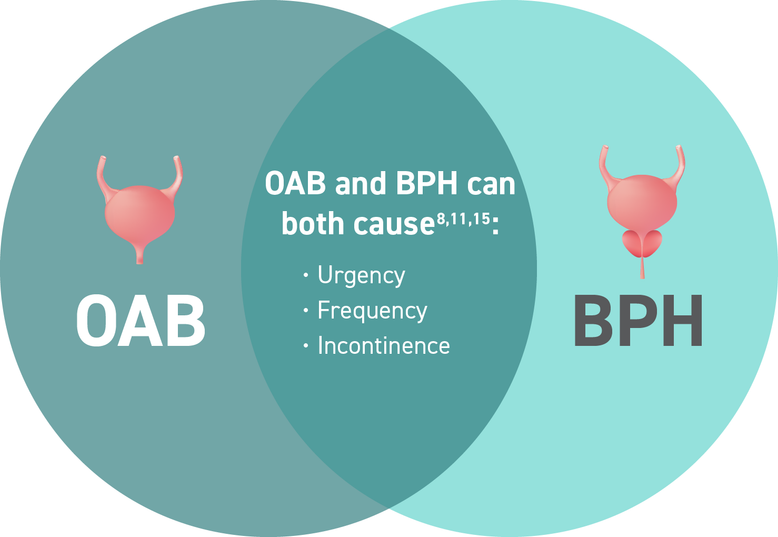
Urinary retention remains a rare but serious concern, particularly for seniors with anatomical or functional bladder outlet obstruction.
Who Faces Higher Risk?
Certain groups require extra vigilance:
- Men with untreated or partially treated BPH
- Women experiencing pelvic organ prolapse
- Patients taking anticholinergic bladder medications alongside Gemtesa
Combining Gemtesa with muscarinic antagonists like oxybutynin or tolterodine increases theoretical retention risk through additive effects on bladder smooth muscle.
Monitoring Recommendations
Healthcare providers should assess post-void residual volume, ask about weak stream or difficulty starting urination, and avoid combination therapy unless absolutely necessary. If retention develops, Gemtesa must be discontinued immediately.
Practical Signs for Long-Term Care Staff
Residents who cannot clearly communicate symptoms require careful observation. Watch for increased incontinence episodes (a paradoxical sign of retention), abdominal distension, or sudden behavioral changes in dementia patients. Early detection prevents progression to urinary tract infections or acute kidney injury.
Angioedema and Hypersensitivity Reactions
Though extremely rare, angioedema represents a potentially life-threatening emergency that demands immediate recognition.
Understanding Angioedema
This reaction causes rapid swelling beneath the skin, typically affecting the face, lips, eyelids, tongue, or throat. Airway involvement can obstruct breathing and requires emergency intervention without delay.
Onset Patterns and Risk Factors
Reactions may occur after the first dose or following months of regular use. No clear predictors exist based on age, gender, or existing health conditions. A history of angioedema with other medications does increase general risk.
Emergency Response Protocol
If angioedema is suspected, follow these steps:
- Stop Gemtesa immediately
- Call emergency services
- Administer epinephrine if available and clinically indicated
- Ensure airway patency until professional help arrives
Gemtesa is contraindicated in patients with known hypersensitivity to vibegron or any inactive ingredient. Always review complete allergy history before starting treatment.
Drug Interactions in Patients Taking Multiple Medications

Polypharmacy complicates care for most elderly patients. Gemtesa offers a favorable interaction profile, though one notable exception requires attention.
The CYP2D6 Advantage
Gemtesa does not inhibit or induce CYP2D6, a liver enzyme responsible for metabolizing many common medications:
- Beta-blockers like metoprolol
- Antidepressants including fluoxetine and paroxetine
- Antipsychotics such as haloperidol
- Opioids like codeine
This eliminates the need for dosage adjustments when these medications are used together and reduces toxicity risks. For long-term care residents, this simplifies medication management considerably.
Digoxin: The Critical Interaction
Gemtesa increases digoxin exposure by raising both maximum concentration (Cmax) and overall systemic exposure (AUC). Since digoxin treats atrial fibrillation and heart failure in many seniors, this interaction demands careful management.
Follow this monitoring protocol:
- Check serum digoxin levels before starting Gemtesa
- Monitor levels regularly during treatment
- Adjust digoxin dosing as needed to prevent toxicity
- Continue monitoring after stopping Gemtesa, since levels may drop
Watch for digoxin toxicity symptoms including nausea, vomiting, visual disturbances (yellow or green halos), arrhythmias, and confusion. Proactive monitoring prevents serious cardiac complications.
Cognitive Safety Benefits for Aging Brains
One of Gemtesa’s greatest advantages in geriatric care involves what it does not do: harm cognitive function.
No Connection to Dementia or Memory Loss
Beta-3 agonists like vibegron do not cross the blood-brain barrier in significant amounts. No evidence links Gemtesa to increased dementia risk. Unlike anticholinergic medications such as oxybutynin, Gemtesa does not impair memory or trigger confusion.
This matters enormously for patients with early-stage dementia, mild cognitive impairment, or high anticholinergic burden from other necessary medications. Effective bladder control becomes possible without sacrificing mental sharpness.
Real-World Impact on Quality of Life
Consider an 82-year-old woman with Alzheimer’s disease whose traditional bladder medications worsened confusion and increased fall risk. After switching to Gemtesa, her incontinence improved without any mental status changes. Caregivers reported better cooperation and fewer nighttime wandering episodes, demonstrating how the right medication choice preserves both dignity and safety.
Administration Tips for Frail Elderly Patients
Ease of use directly affects treatment success, especially in patients with swallowing difficulties or those requiring medication assistance.
Standard Daily Dosing
The recommended dose is 75 mg once daily, taken with or without food. No titration is required, supporting adherence in assisted living and nursing home settings.
Crushing Tablets for Dysphagia
Gemtesa tablets can be crushed, a rare and valuable feature for patients with swallowing problems.
Follow these steps for safe administration:
- Crush one tablet completely
- Mix with one tablespoon (15 mL) of applesauce
- Give immediately after preparation (do not store)
- Follow with a full glass of water to ensure complete dose delivery
This approach helps residents with Parkinson’s-related dysphagia or stroke complications receive their medication safely through feeding assistance.
Managing Missed Doses
Once-daily dosing simplifies schedules compared to twice-daily regimens. If a dose is missed, do not double up. Simply resume the regular schedule the next day. Pill organizers and caregiver reminders improve consistency.
Proven Efficacy in Clinical Trials
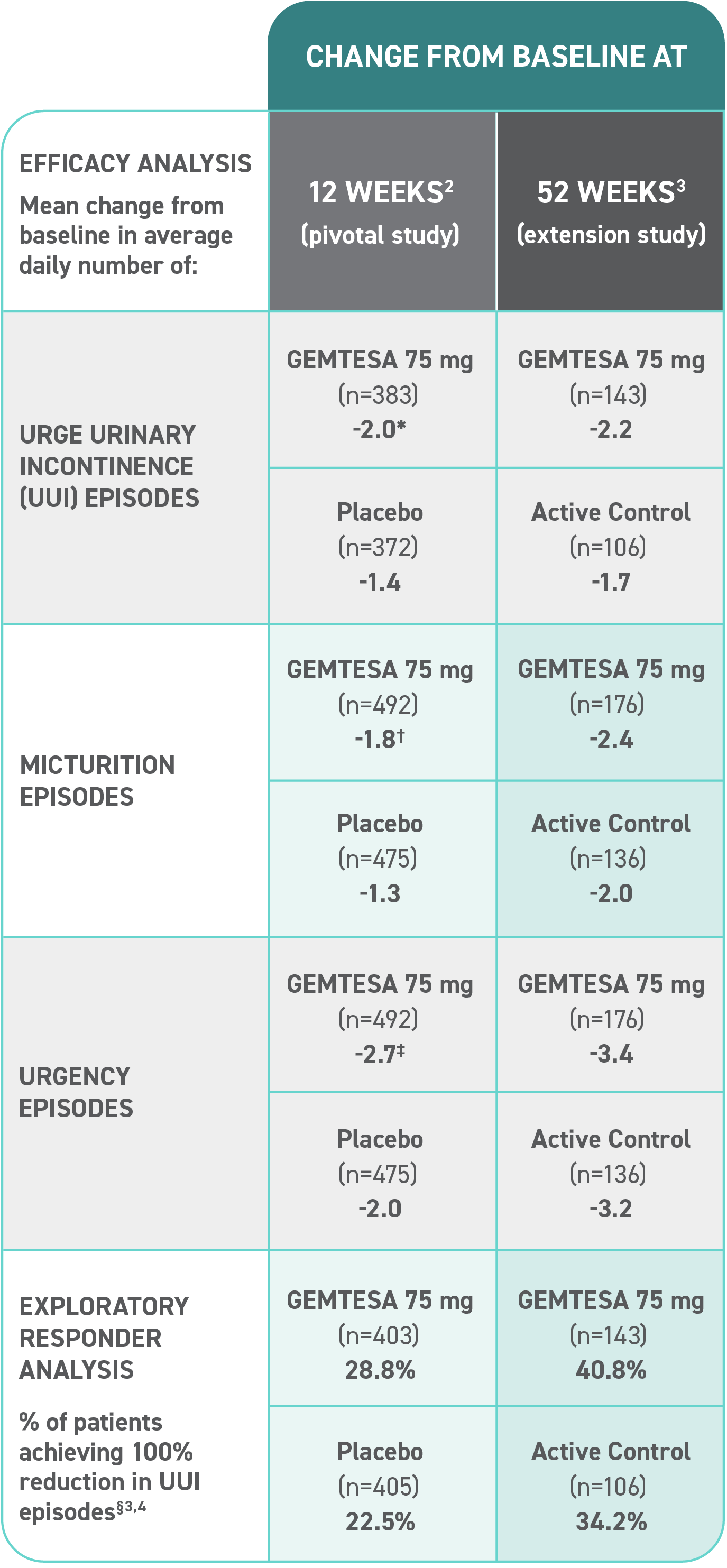
Safety matters most when paired with real symptom relief. Gemtesa delivers strong, sustained results across age groups.
EMPOWUR Trial Results
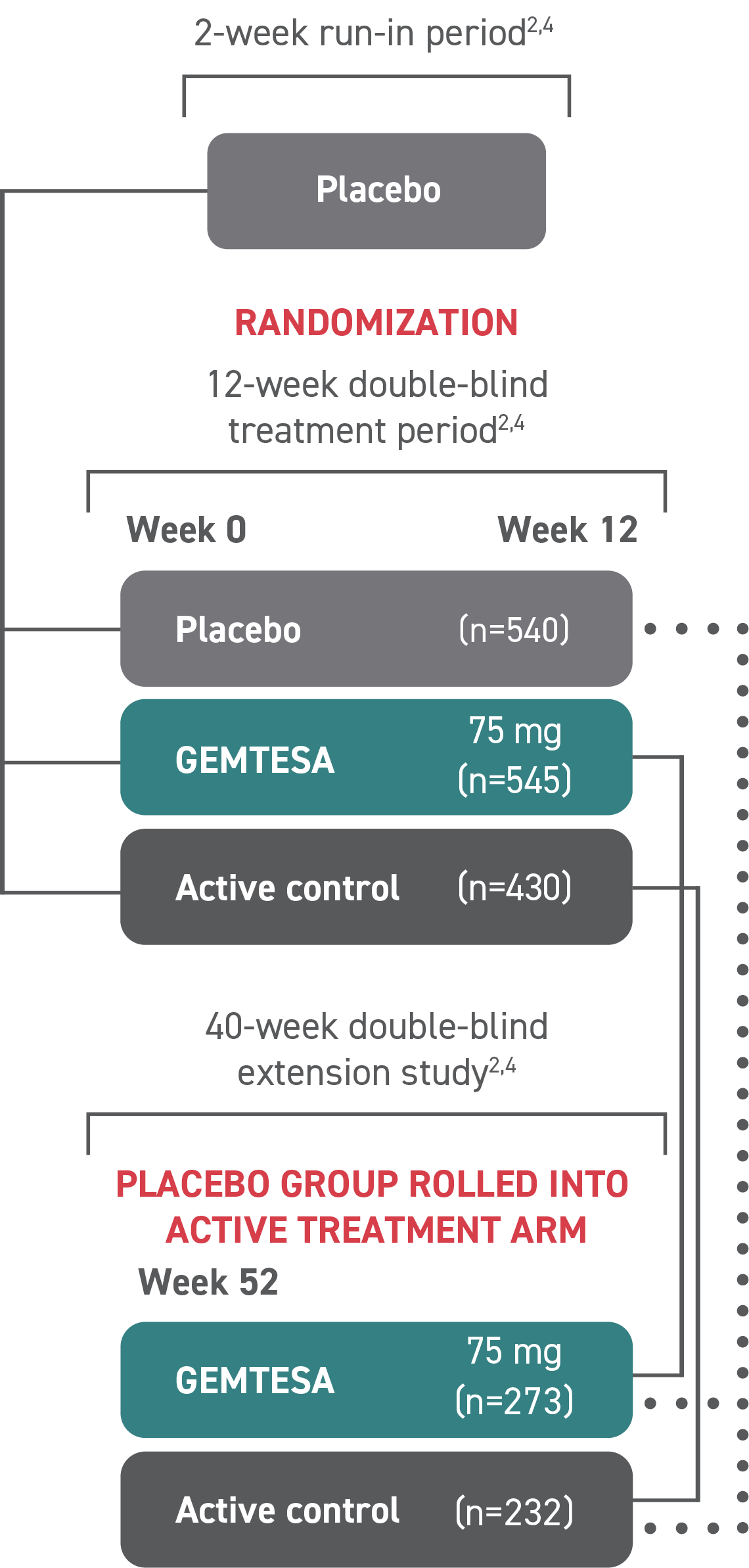
The 12-week pivotal study included patients up to age 93. Those aged 65 and older showed equal improvement in:
- Urgency episodes
- Urge urinary incontinence (UUI)
- Daily micturition frequency
No differences emerged between younger and older response patterns, confirming consistent benefits across the lifespan.
COURAGE Trial Outcomes
This 24-week study focused on men with overactive bladder already receiving BPH therapy. Average participant age was 67 years. Significant reductions appeared in urgency and nocturia, with safety profiles matching broader populations.
Long-Term Sustainability
Extension studies tracking patients for 52 weeks showed daily UUI episodes decreasing from approximately 3.4 to 1.4 and maintaining those improvements beyond a full year. No new safety signals emerged during extended treatment, providing reassurance for chronic disease management.
Practical Considerations for Caregivers
Managing overactive bladder in elderly patients extends well beyond medication alone. Several practical strategies enhance outcomes.
Reducing Fall Risk
Sudden urgency often causes seniors to rush toward bathrooms, a leading contributor to falls. Gemtesa helps by reducing sudden urges, decreasing nighttime bathroom trips, and improving overall confidence in mobility. For patients with osteoporosis or previous fractures, this translates directly into fewer dangerous incidents.
Protecting Skin Integrity
Persistent leakage can cause perineal skin breakdown, pressure ulcers over the sacrum, and secondary bacterial or fungal infections. By reducing incontinence episodes, Gemtesa helps maintain skin health and decreases nursing workload related to wound care.
Communicating With Patients Who Cannot Self-Report
Dementia patients often cannot describe side effects clearly. Watch for behavioral changes such as new agitation or withdrawal, sudden incontinence changes (which may signal retention), and decreased oral intake (which may indicate nausea or diarrhea). Regular check-ins with nursing staff improve early detection of problems.
Frequently Asked Questions About Gemtesa Side Effects in Elderly Patients
Is Gemtesa safe for people over 75?
Yes. Clinical data shows that patients aged 75 and older tolerate Gemtesa well, with discontinuation rates of only 4% due to adverse events. The safety profile matches younger adults, though monitoring for urinary retention and hydration status remains important.
Does Gemtesa cause memory problems or dementia?
No. Gemtesa belongs to the beta-3 agonist class, which does not cross the blood-brain barrier significantly. Unlike anticholinergic bladder medications, Gemtesa carries no known risk for cognitive decline, confusion, or dementia, making it a preferred choice for patients with memory concerns.
Can Gemtesa raise blood pressure in seniors?
No significant blood pressure increases occurred in clinical trials. Gemtesa is the only beta-3 agonist without a blood pressure warning in its prescribing label. In patients aged 75 and older, hypertension actually appeared less often with Gemtesa than with placebo.
What happens if an elderly patient misses a dose?
Take the missed dose as soon as remembered, unless it is close to the next scheduled dose. Never double up on doses. The once-daily schedule provides some forgiveness for occasional missed doses, but consistency improves symptom control.
Can the Gemtesa tablet be crushed for patients with swallowing problems?
Yes. The tablet can be crushed and mixed with one tablespoon of applesauce, then given immediately followed by a full glass of water. This makes Gemtesa suitable for patients with dysphagia from Parkinson’s disease, stroke, or advanced dementia.
Which medications interact dangerously with Gemtesa?
Digoxin represents the main interaction concern. Gemtesa increases digoxin levels, requiring baseline and ongoing serum monitoring with dose adjustments as needed. Otherwise, Gemtesa does not interact with CYP2D6-metabolized medications, simplifying polypharmacy management.
Key Takeaways for Families Considering Gemtesa
Gemtesa offers elderly patients a well-tolerated, effective treatment for overactive bladder without the cognitive and cardiovascular risks associated with older medications. Its favorable safety profile, lack of blood pressure impact, minimal drug interactions, and crushable formulation make it particularly suitable for complex geriatric cases. While rare risks like urinary retention and angioedema require vigilance, they occur infrequently and respond well to prompt intervention.
The most important next step involves scheduling a thorough medication review with the prescribing physician. Bring a complete list of current prescriptions, including over-the-counter supplements, and discuss any history of hypersensitivity reactions or bladder outlet issues. This conversation ensures that Gemtesa fits safely into the overall care plan while addressing the specific vulnerabilities of aging bodies.