
When an older parent starts forgetting words mid-sentence, stumbling through familiar hallways, or showing sudden confusion, families often blame aging itself. The real culprit might be a medication sitting in the medicine cabinet. Gabapentin side effects in elderly patients frequently mimic dementia, stroke, or natural decline, leading to years of unnecessary suffering. This widespread anticonvulsant helps with nerve pain and seizures, yet it transforms into a hidden hazard when prescribed without proper caution.
This guide breaks down every major risk, explains why aging bodies react so strongly, and provides clear steps for safer use. You will learn how to recognize dangerous symptoms early, what dosing protocols protect kidneys and cognition, and which alternatives may offer relief without the same dangers.
Why Aging Bodies React Differently to Gabapentin

Slower Kidney Clearance
Gabapentin leaves the body almost entirely through the kidneys. As people age, glomerular filtration rate drops, even in those without diagnosed kidney disease. This means the drug stays in the bloodstream much longer, building up to toxic levels at standard doses. Creatinine clearance testing before prescribing is essential, and dose reductions are often required.
Heightened Brain Sensitivity
Older brains respond more intensely to central nervous system depressants. Even small doses of gabapentin can trigger sedation, confusion, or imbalance in seniors. The “start low, go slow” approach exists because the safety margin shrinks dramatically after age 65. Many adverse reactions never appear in younger users but become routine complaints in geriatric patients.
Cognitive Risks: Memory Loss, Brain Fog, and Delirium

Memory Loss and Mental Fog
Short-term memory lapses rank among the most reported gabapentin side effects in elderly users. Patients forget what they were saying, lose track of conversations, or struggle to recall recent events. This mental fog interferes with medication management, social engagement, and daily tasks. Symptoms often get dismissed as normal aging when they directly stem from the drug.
Pro Tip: Caregivers should document cognitive function before gabapentin starts and again after each dose change. Sudden declines warrant a medication review.
Word-Finding Difficulties
Many seniors describe knowing the right word but being unable to retrieve it. Some substitute incorrect terms without realizing it, creating communication breakdowns. This dysphasia-like symptom improves after dose reduction or discontinuation, confirming the drug as the cause rather than progressive dementia.
Delirium and Altered Mental Status
Starting gabapentin above 600 mg per day raises delirium risk significantly, especially in hospitalized or postoperative seniors. Symptoms include acute confusion, agitation, hallucinations, and disorientation. One study showed a 1.28 times higher delirium incidence in elderly surgical patients on gabapentin. Head scans reveal no structural cause, pointing directly to medication toxicity.
Balance Problems and Fall Hazards in Older Adults
Dizziness and Ataxia
Dizziness affects up to 30 percent of elderly users. Combined with ataxia, or loss of coordination, it creates a dangerous “drunk-like” gait. Patients stumble, sway, or need support to walk safely. Symptoms worsen when standing quickly or navigating low-light environments.
High Fall and Fracture Risk
The combination of dizziness, unsteadiness, and sedation dramatically increases fall risk. Falls in seniors frequently lead to hip fractures, head injuries, and permanent loss of independence. Research links gabapentin use to higher fall-related hospitalization rates.
Action Step: Conduct a fall risk assessment before starting gabapentin. Remove rugs, install grab bars, and improve lighting in the home.
Vision Changes That Compromise Safety

Nystagmus and Blurred Vision
Rapid, uncontrollable eye movements (nystagmus) cause dizziness, nausea, and trouble focusing. Blurred vision impairs reading, driving, and recognizing faces. Double vision is less common but serious, requiring immediate medical evaluation.
Driving and Daily Activities
Visual and cognitive side effects make driving unsafe for many elderly patients. Impaired reaction time, poor depth perception, and drowsiness increase accident risk. Physicians should discuss transportation safety at every follow-up visit.
Respiratory Dangers: Sleep Apnea and Pneumonia Risk
Worsened Sleep Apnea
Gabapentin disrupts breathing during sleep, particularly in older men. It raises the apnea-hypopnea index, causing more frequent breathing pauses and oxygen drops. Effects are strongest during non-REM sleep and when lying on the back. Patients with existing sleep apnea may experience worsening fatigue and morning headaches.
Increased Pneumonia Risk
Perioperative gabapentin use correlates with a 1.11 times higher pneumonia risk in older adults. Sedation may suppress the cough reflex and increase aspiration during swallowing. These dangers hit hardest in frail or hospitalized seniors.
Life-Threatening Opioid Interactions
Combining gabapentin with opioids creates severe respiratory depression risk. The FDA has issued black box warnings for this combination. Slow, shallow, or irregular breathing, blue lips, or unresponsiveness demand emergency care.
Critical Warning: Never combine gabapentin with opioids without strict medical supervision.
Dangerous Drug Interactions to Avoid
CNS Depressants
Gabapentin amplifies effects of:
– Alcohol
– Benzodiazepines like lorazepam
– Opioids like oxycodone
– Sleep aids like zolpidem
– Antihistamines like diphenhydramine
Combining these substances increases sedation, fall risk, and respiratory depression.
Antacids and Absorption
Aluminum and magnesium antacids (such as Maalox) reduce gabapentin absorption by up to 20 percent. Take gabapentin at least 2 hours before or after these products.
Contraindicated Substances
- Isocarboxazid (MAOI): severe interaction risk
- Ginkgo biloba: may increase seizure risk
Safe Dosing Guidelines for Elderly Patients
Start Low, Go Slow
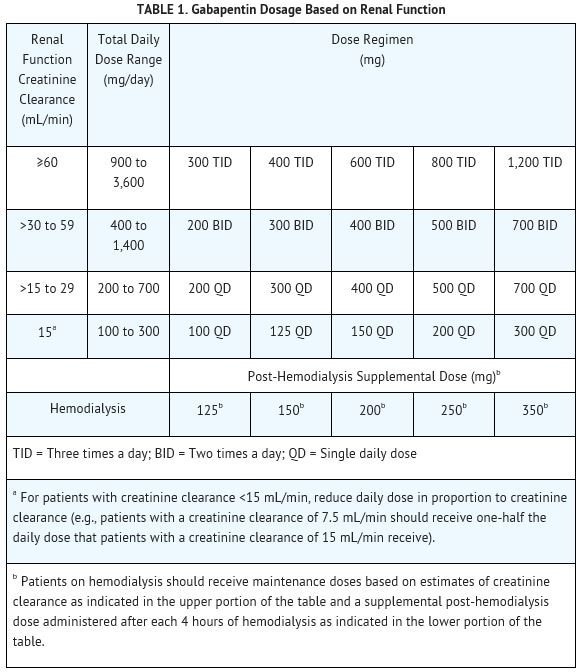
Begin with 100 to 300 mg once daily for neuropathic pain. Increase gradually over weeks while monitoring for side effects. Avoid starting above 600 mg per day to reduce cognitive and motor risks.
Example Titration Plan:
– Week 1: 100 mg at bedtime
– Week 2: 100 mg twice daily
– Week 3: 100 mg three times daily
– Adjust based on response and tolerance
Renal Dose Adjustments
Assess kidney function before prescribing. Use creatinine clearance to guide dosing:
– CrCl 60 to 89 mL/min: standard dosing with caution
– CrCl 30 to 59 mL/min: reduce dose by 25 to 50 percent
– CrCl 15 to 29 mL/min: reduce dose by 50 to 75 percent
– On dialysis: dose after each session with supplemental doses between treatments
Administration Tips
- Gralise (once-daily): take with evening meal, swallow whole
- Neurontin (immediate-release): can be split if scored, use halves within 28 days
- Liquid form: refrigerate and use a calibrated syringe
- Antacids: wait at least 2 hours after aluminum or magnesium products
How to Stop Gabapentin Without Withdrawal
Never Stop Abruptly
Sudden cessation can trigger rebound seizures, severe pain, anxiety, insomnia, and tremors. Some patients describe electric shock sensations or “sparklers under the skin.” These symptoms can persist for days or weeks.
Tapering Protocol
Reduce the dose gradually over a minimum of 1 to 2 weeks. Decrease by 100 to 300 mg every 3 to 7 days. Slower tapering over several weeks works better for long-term users or those on high doses. Monitor for rebound symptoms throughout the process.
Monitoring Checklist for Caregivers and Clinicians
Regular Check-Ups
Schedule follow-ups every 4 to 6 weeks when starting or adjusting doses. Assess cognitive function, balance, mood, swelling, breathing, and pain control at each visit.
Caregiver Vigilance
Family members should watch for:
– Confusion or memory lapses
– Frequent stumbling or near-falls
– Mood swings or social withdrawal
– Leg swelling or swallowing difficulty
– Signs of respiratory distress
Report any concerns immediately to the prescribing physician.
Emergency Warning Signs Requiring Immediate Care
Seek urgent medical help if the patient experiences:
– Breathing difficulties (slow, shallow, or irregular)
– Blue lips or fingertips
– Severe dizziness preventing standing
– Double vision or loss of eye control
– Swelling of face, lips, or throat
– Fever with rash and swollen glands (DRESS syndrome)
– Suicidal thoughts or severe agitation
Safer Alternatives for Neuropathic Pain
Non-Drug Pain Management
Consider these options to reduce gabapentin dependence:
– Physical therapy for nerve pain
– Spinal cord stimulators
– Cortisone injections
– Cognitive behavioral therapy for chronic pain
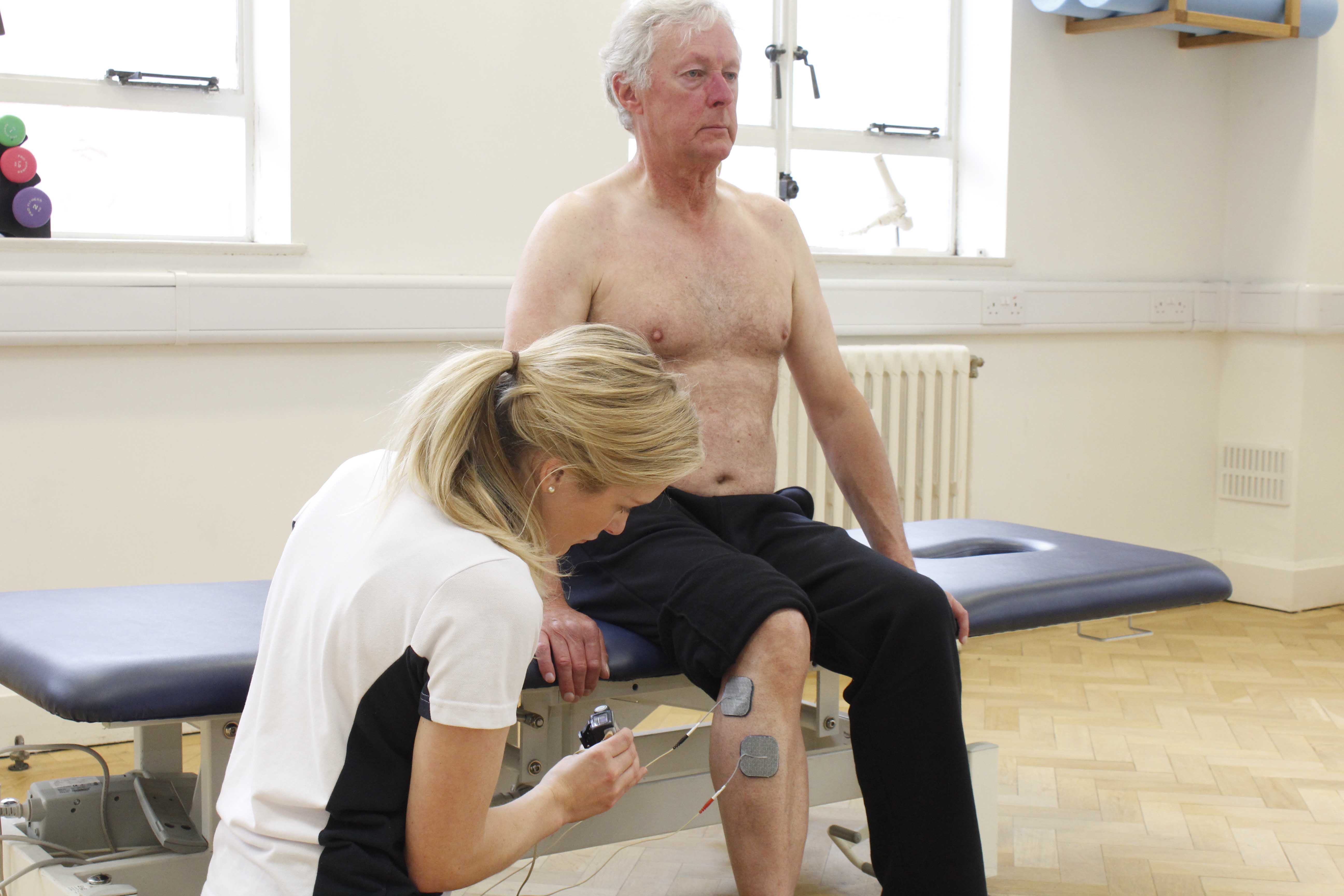
– Acupuncture or TENS units
Switching Medications
Pregabalin offers similar efficacy but shares cognitive and balance risks. Tricyclic antidepressants like nortriptyline or SNRIs like duloxetine work for neuropathic pain but require caution due to anticholinergic effects and blood pressure changes.
Preventive Strategies
- Annual medication review to reassess gabapentin necessity
- Fall prevention program with balance training
- Sleep study if snoring or daytime fatigue appears
- Hydration and nutrition monitoring for gastrointestinal side effects
Frequently Asked Questions About Gabapentin Side Effects in Elderly
What are the most dangerous gabapentin side effects in elderly patients?
The most dangerous effects include respiratory depression, severe delirium, falls leading to fractures, and life-threatening interactions with opioids. Sleep apnea worsening and aspiration pneumonia also pose serious threats in frail seniors.
How quickly do gabapentin side effects appear in older adults?
Cognitive and balance problems often appear within days of starting therapy or after dose increases. Delirium risk rises sharply when starting above 600 mg per day. Some effects like peripheral edema may develop gradually over weeks.
Can gabapentin cause dementia-like symptoms?
Yes. Memory loss, word-finding difficulties, confusion, and mental fog from gabapentin closely mimic dementia. These symptoms typically improve after dose reduction or discontinuation, distinguishing them from progressive neurodegenerative disease.
Why are elderly patients more sensitive to gabapentin?
Aging kidneys clear the drug more slowly, causing higher blood levels at standard doses. Older brains also show heightened sensitivity to central nervous system depressants. This combination creates a much narrower safety margin than in younger adults.
How should gabapentin be discontinued in elderly patients?
Never stop abruptly. Taper the dose gradually over at least 1 to 2 weeks, reducing by 100 to 300 mg every 3 to 7 days. Longer tapers work better for patients on high doses or long-term therapy. Medical supervision throughout the process is essential.
What should caregivers monitor when a senior takes gabapentin?
Watch for confusion, memory lapses, frequent stumbling, mood changes, leg swelling, swallowing difficulty, and breathing problems. Document any changes and report them to the prescribing physician promptly.
Key Takeaways for Managing Gabapentin Side Effects in Elderly
Gabapentin can provide genuine relief for neuropathic pain and seizures, but it carries substantial risks in older adults. Cognitive decline, dangerous falls, respiratory compromise, and drug interactions demand serious attention. The safest approach combines low starting doses, slow titration, regular kidney function testing, and active caregiver involvement.
Schedule a medication review with the prescribing doctor today. Discuss current symptoms, kidney function results, and whether gabapentin remains the best option. Ask about non-pharmacological alternatives and ensure a clear tapering plan exists if discontinuation becomes necessary. Vigilance transforms gabapentin from a hidden danger into a manageable tool for those who truly need it.