
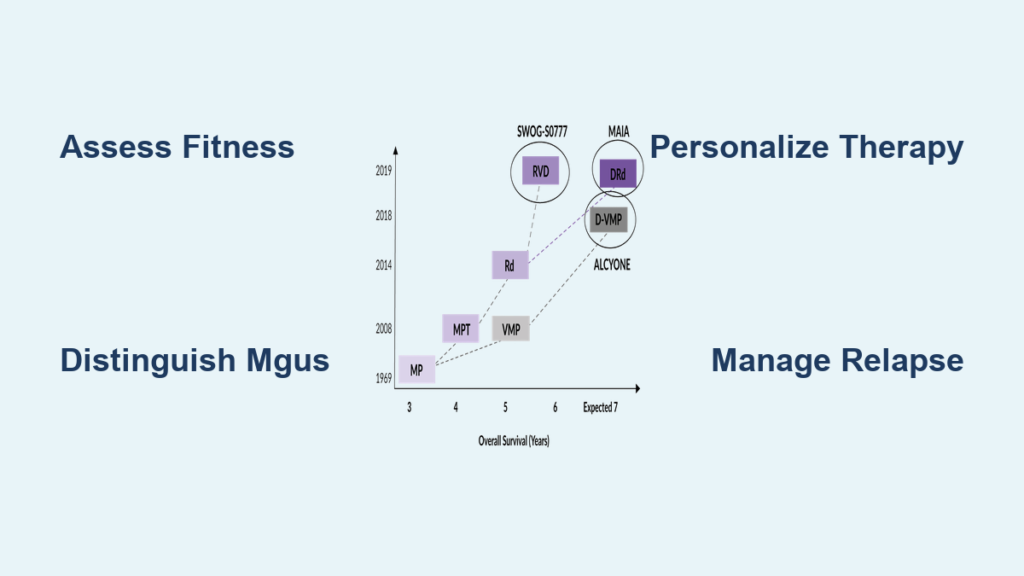
Multiple myeloma is primarily a disease of older adults, with a median age at diagnosis of 70 years. Yet despite major advances in therapy, patients over 80 often experience poorer outcomes due to frailty, organ dysfunction, and limited representation in clinical trials. Myeloma treatment for elderly patients requires a carefully calibrated approach that balances disease control with quality of life.
This article outlines evidence-based strategies for diagnosing myeloma, assessing fitness, delivering supportive care, selecting appropriate chemotherapy, managing relapse, and providing end-of-life care for older adults. You will learn how clinicians personalize therapy based on individual health status rather than age alone.
Diagnose Myeloma Accurately in Older Adults
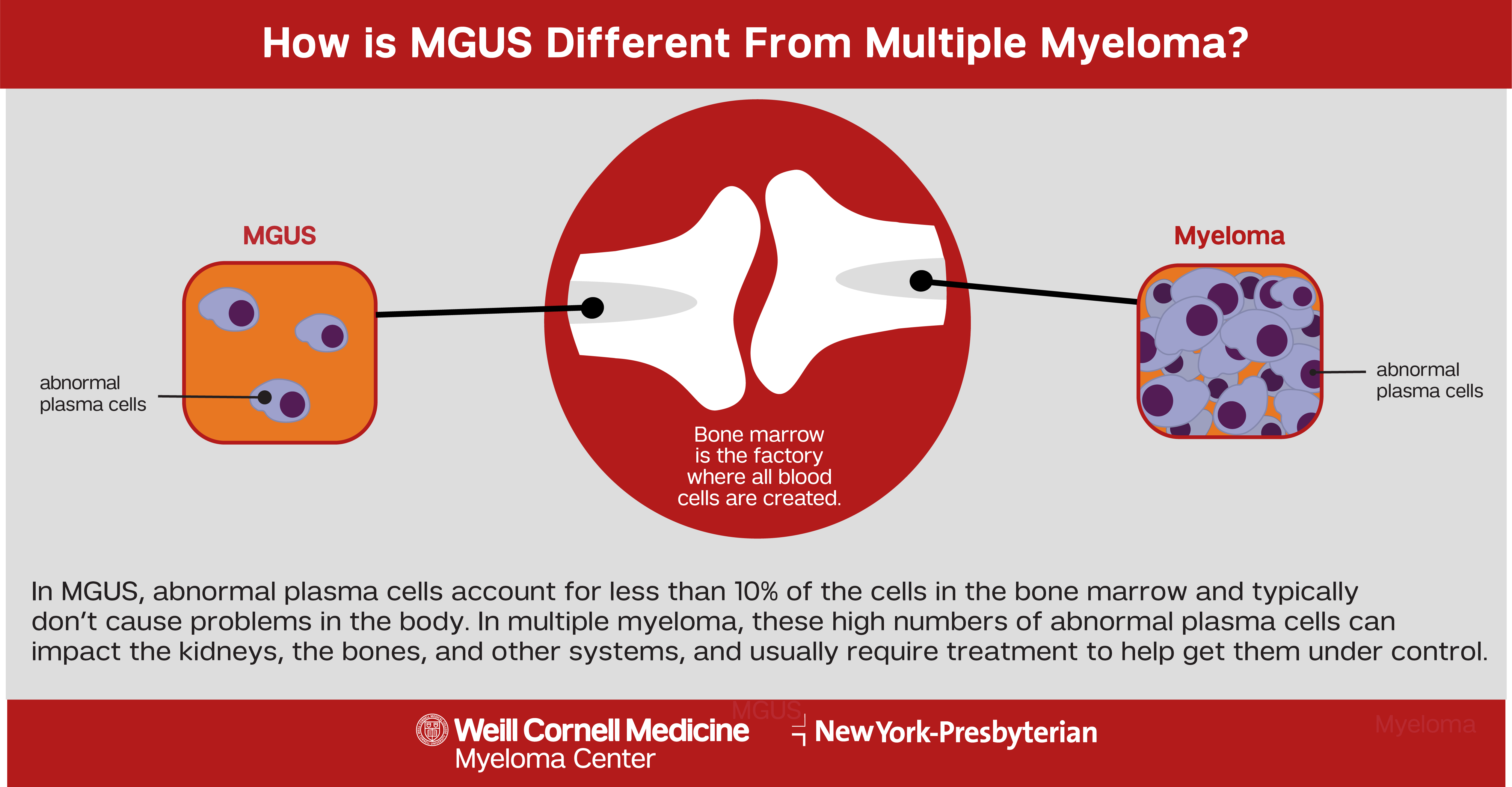
Distinguish MGUS from Active Myeloma
Monoclonal gammopathy of undetermined significance (MGUS) is common in older adults, found in 4% to 5% of people in their 80s. However, only a small fraction progress to symptomatic myeloma, with an incidence of just 40 per 100,000 in this age group. The clinical challenge lies in differentiating incidental MGUS from true myeloma, especially when symptoms like anemia, renal impairment, or bone pain are easily attributed to aging.
In elderly patients presenting insidiously with these symptoms, a paraprotein may be mistakenly dismissed as benign. True myeloma requires evidence of clonal plasma cells exceeding 10% in bone marrow, plus